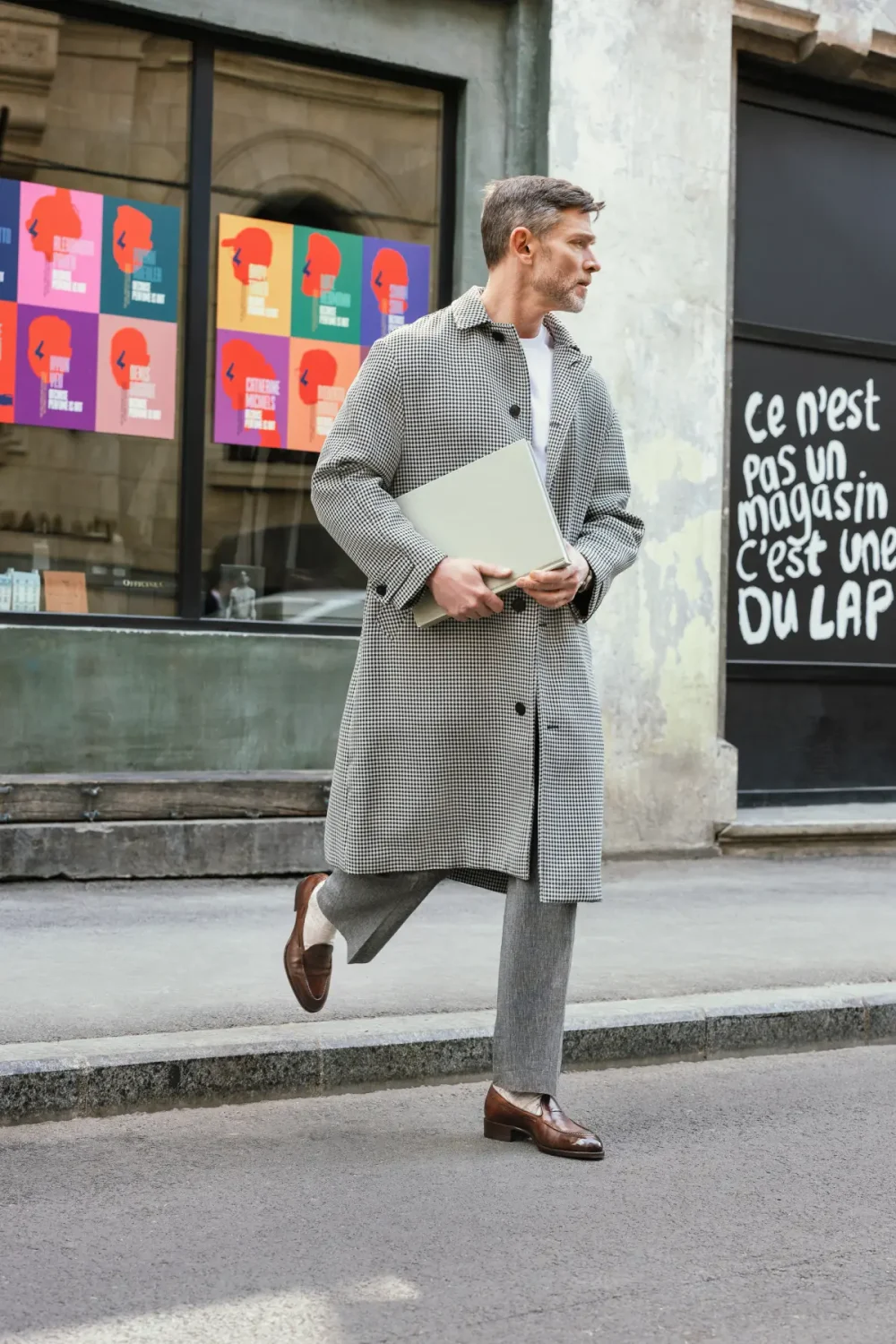
It’s been quite interesting watching Petru Claymoor evolve over the years. Having first covered the Romanian shoemaker back in 2020, and more recently revisiting their history and craftsmanship, I have seen the brand go through quite a transformation. And now, with the launch of their completely revamped website, it feels like they are entering an entirely new chapter.
For those who remember their earlier days, the difference is quite substantial. What was once a relatively understated presentation of a small, artisanal shoemaker has become something far more modern, polished, and commercially accessible. Not only in the website itself, but also in the overall direction of the brand.
They have even simplified their name, moving away from Petru & Claymoor to simply Petru Claymoor.
And while I have always appreciated the brand for its traditional approach to shoemaking, what I find particularly interesting about this latest evolution is its willingness to step outside the boundaries of what we typically associate with classic men’s footwear.
Some of the new designs are certainly not for the faint-hearted!
A New Website and a New Direction
The first thing you notice is how much easier it has become to actually shop the collections.
Previously, Petru Claymoor felt like one of those small, traditional shoemakers where you needed to establish a conversation before really understanding what was available, how to order, and what could be made.
That is often the nature of artisanal shoemaking, particularly when dealing with smaller workshops, but it can also be somewhat intimidating for someone simply wanting to purchase a pair of shoes.
Now, everything is presented in a much more straightforward manner. You can browse the collections, explore the different models, select your size and width, and place an order directly through the website.
It might sound like a small thing, but it makes a significant difference to the customer experience. The website itself is modern and elegant, with a much stronger visual identity than what we saw in the past. It feels like a brand that has really begun to establish what it wants to be, rather than simply showcasing what it knows how to make.
More importantly, the shoes have now been divided into three distinct collections: Essentials, Legacy, and Signature.
And this is where things get interesting.
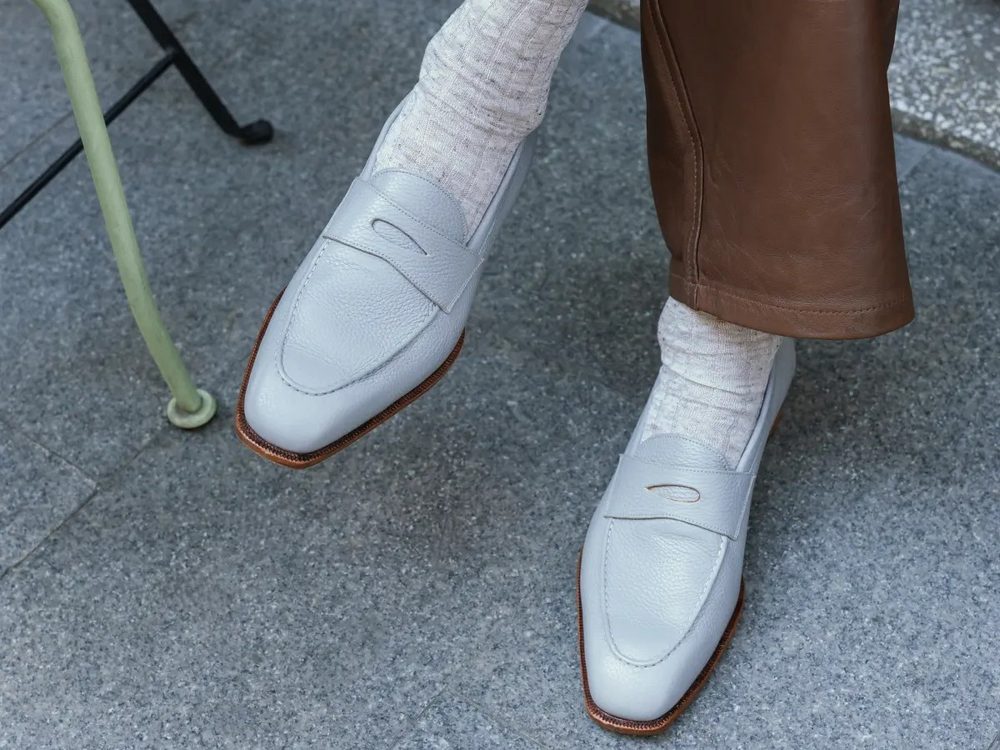
The Essentials Collection – Breaking Away From Tradition
Of the three collections, the Essentials line is probably the one that surprised me the most.
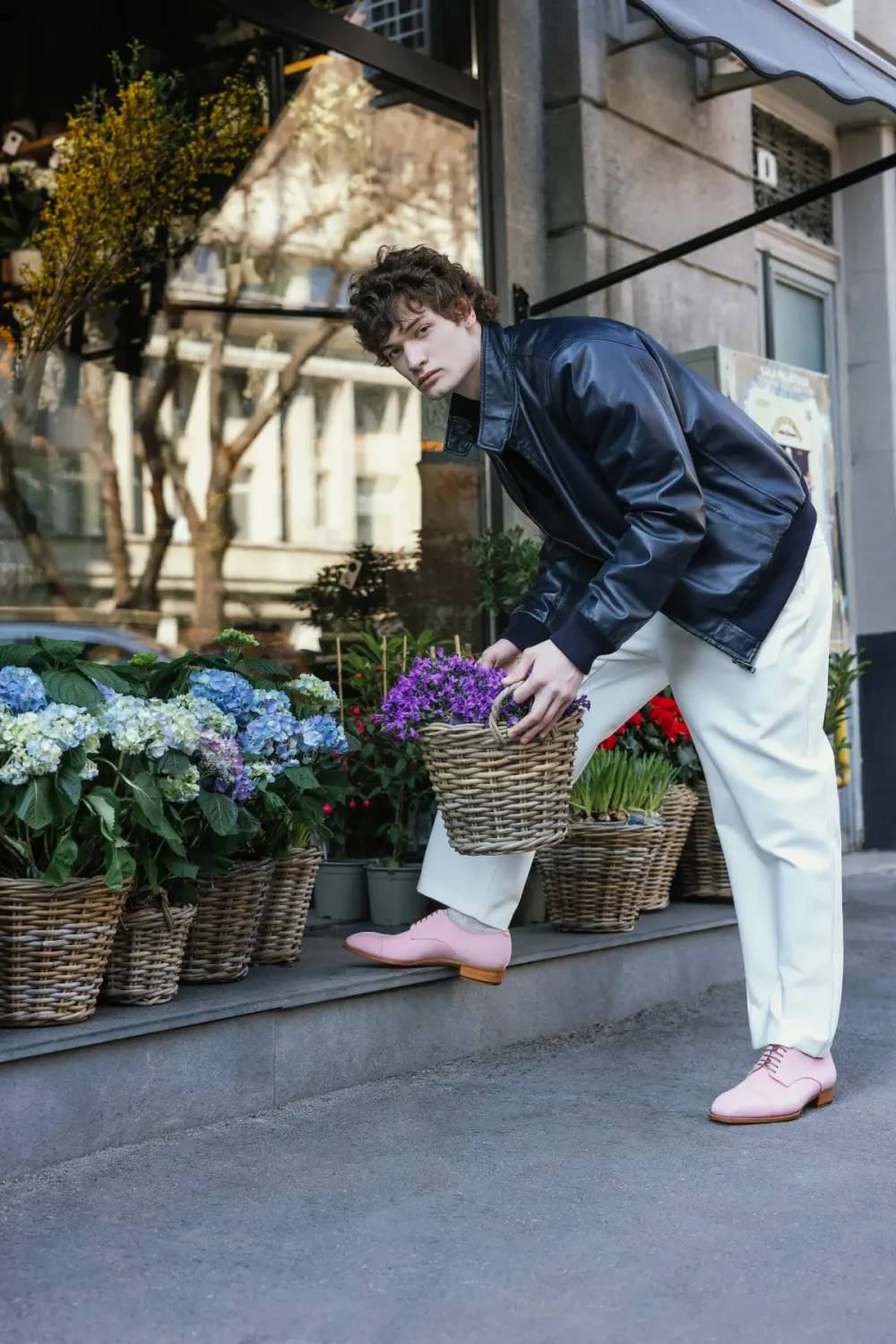
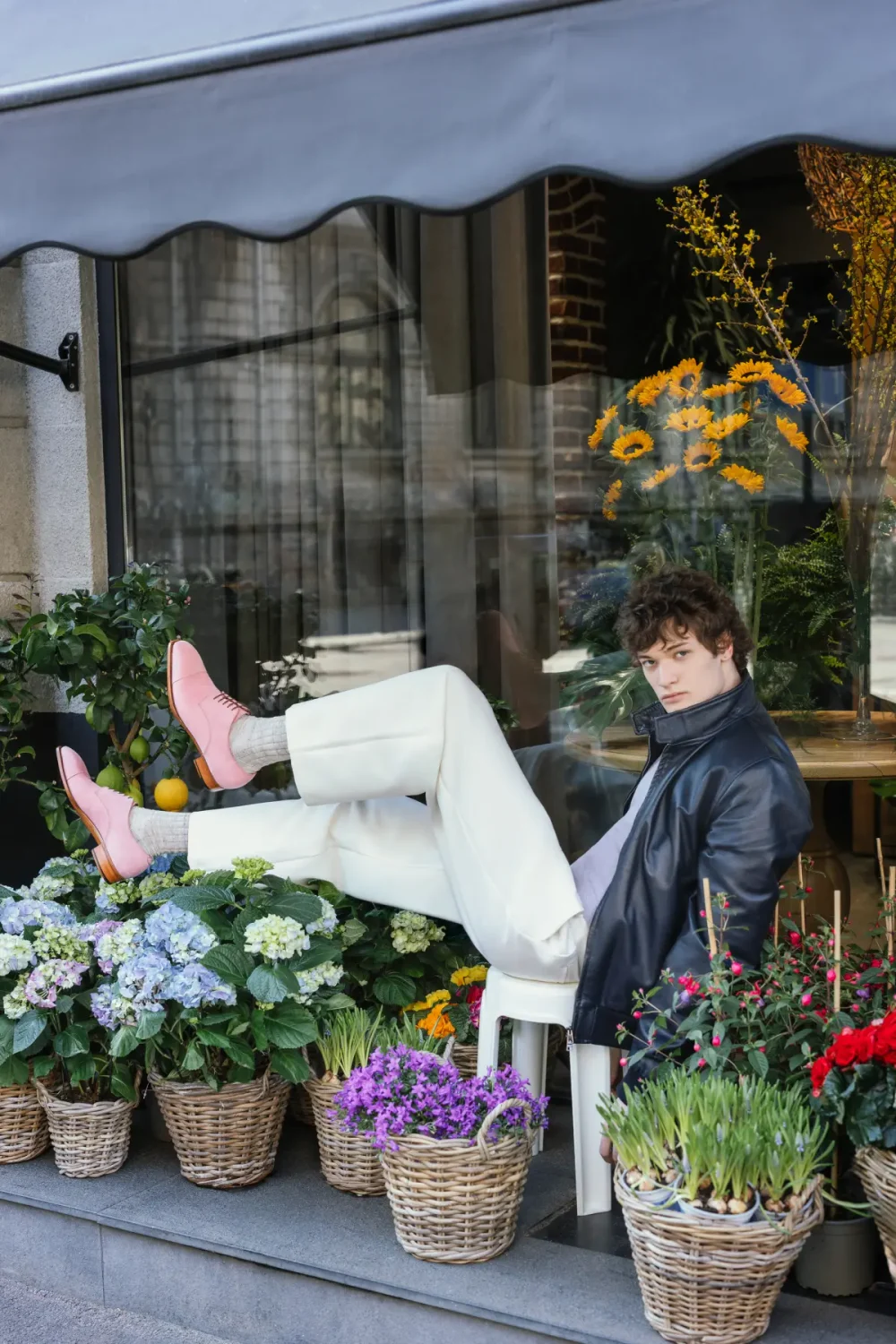
Not necessarily because these are the shoes I would personally gravitate toward, but because they represent a rather different approach to classic shoemaking. Petru Claymoor describes this collection as being aimed at a younger, bolder customer, and I can certainly see why.
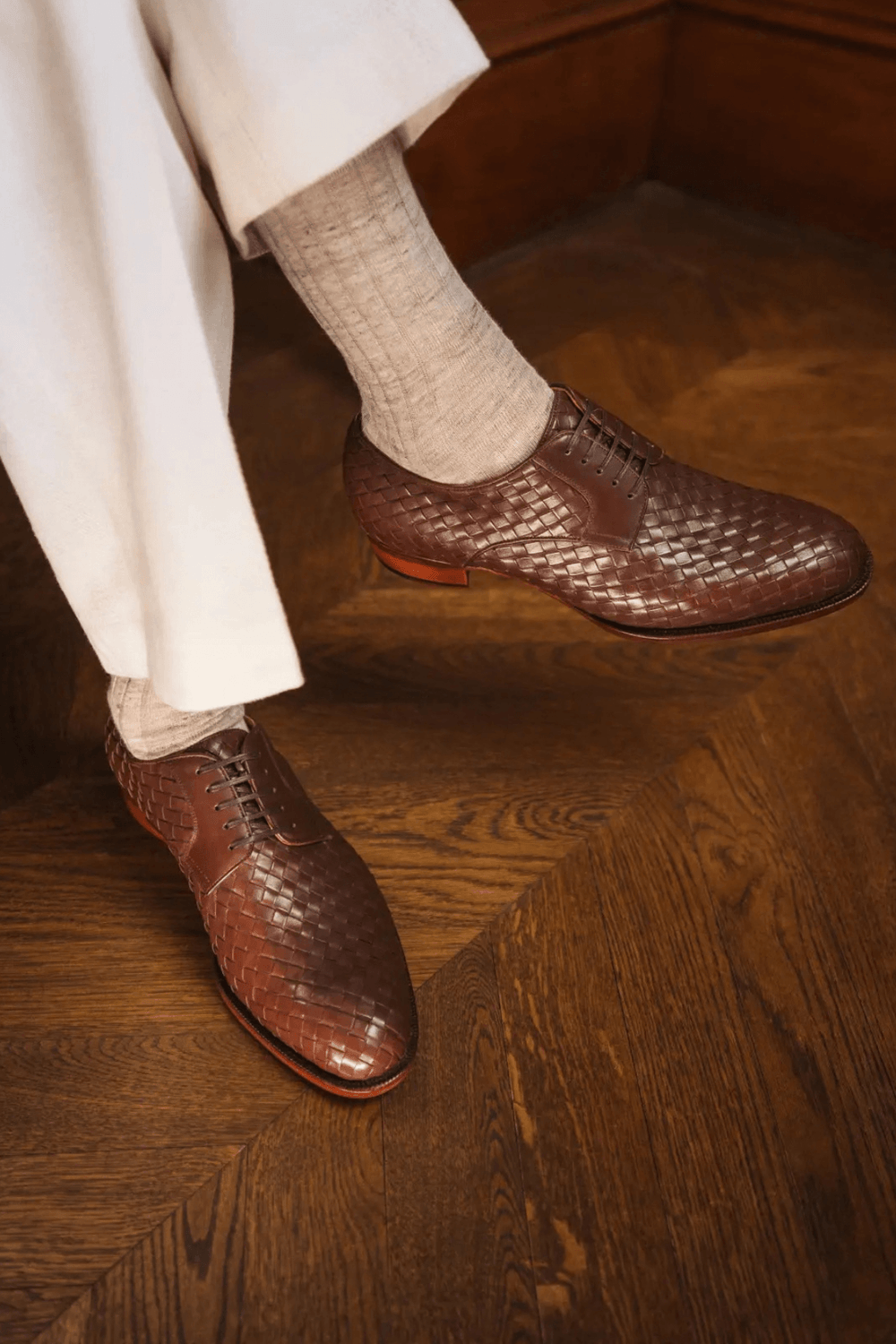
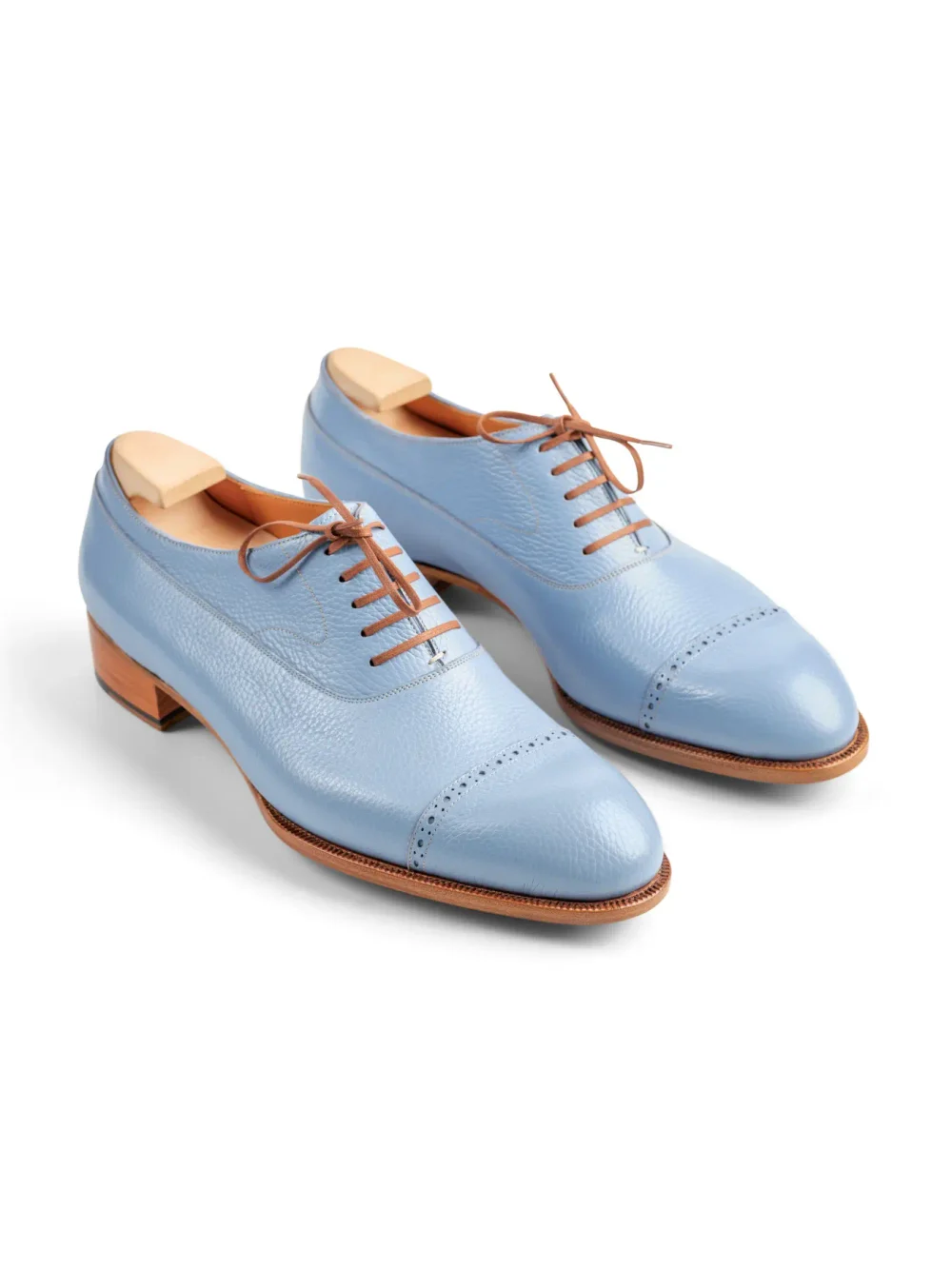
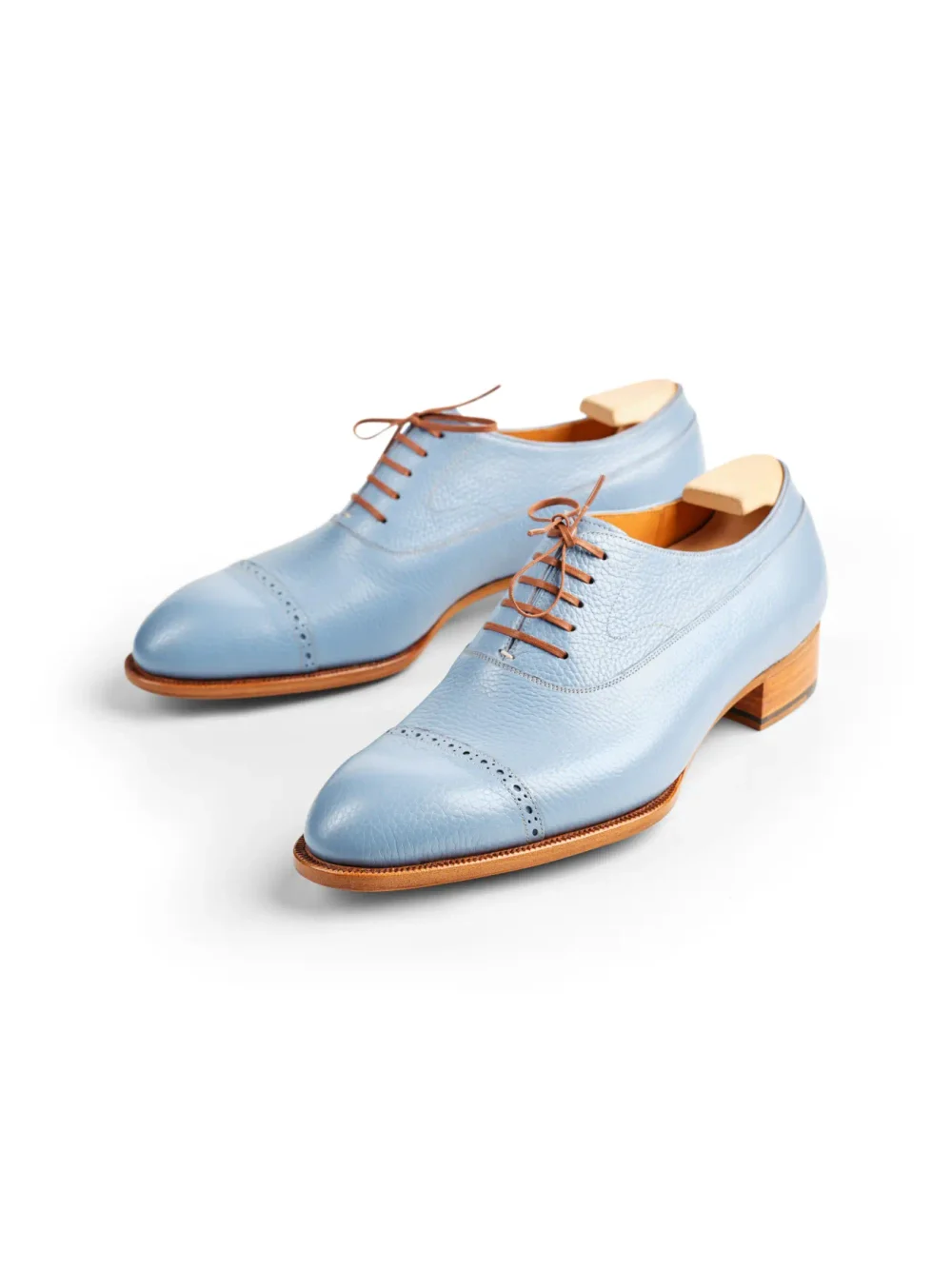
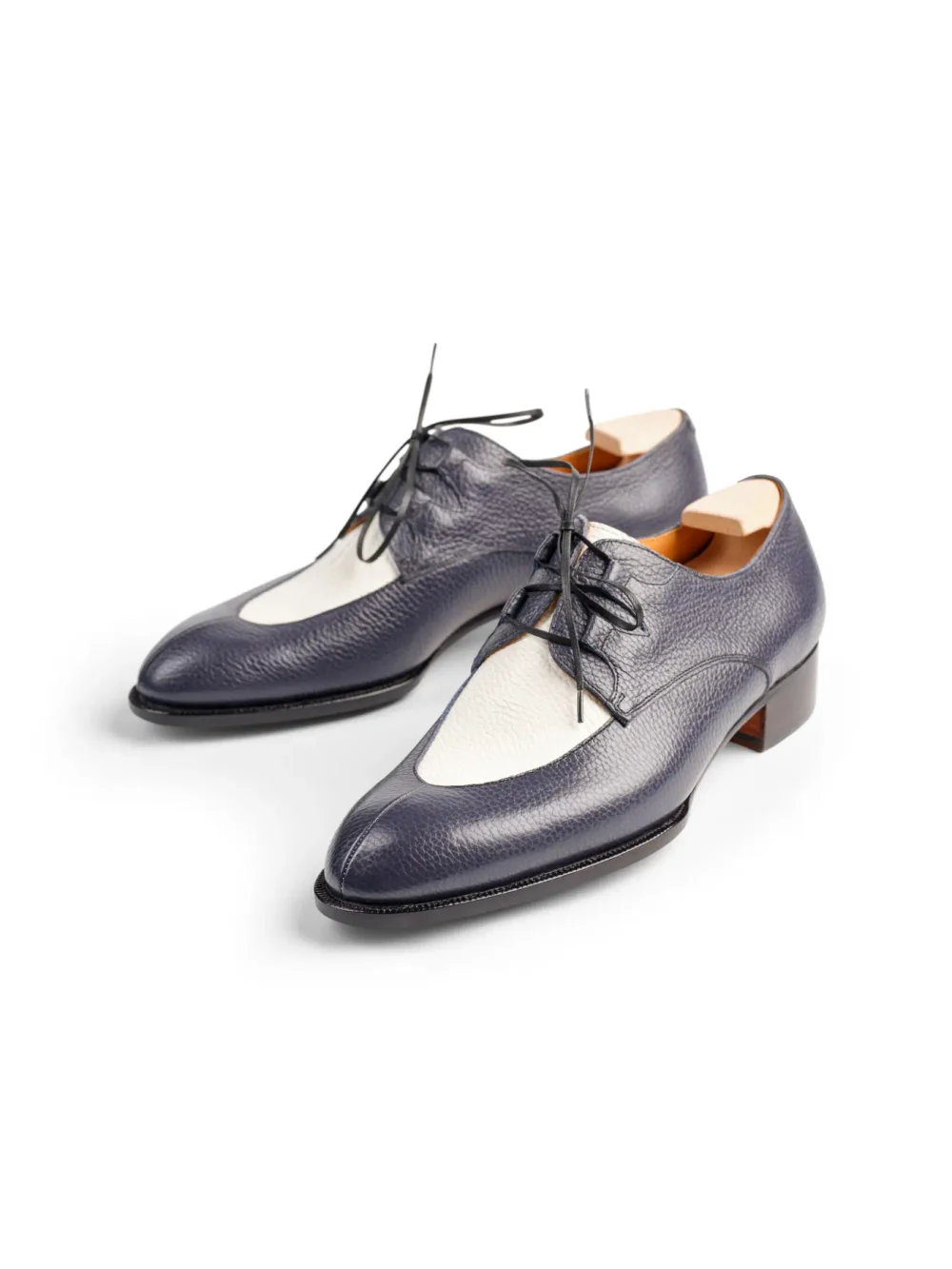
There are rose-pink nubuck Oxfords, baby-blue grained leather Oxfords with contrasting natural-colored soles, and other rather unusual combinations that you simply do not come across very often in the classic footwear marketplace. These are not the typical black cap-toe Oxfords and dark brown brogues that dominate the industry. And I actually appreciate that, even though I would likely wear few of those shoes.
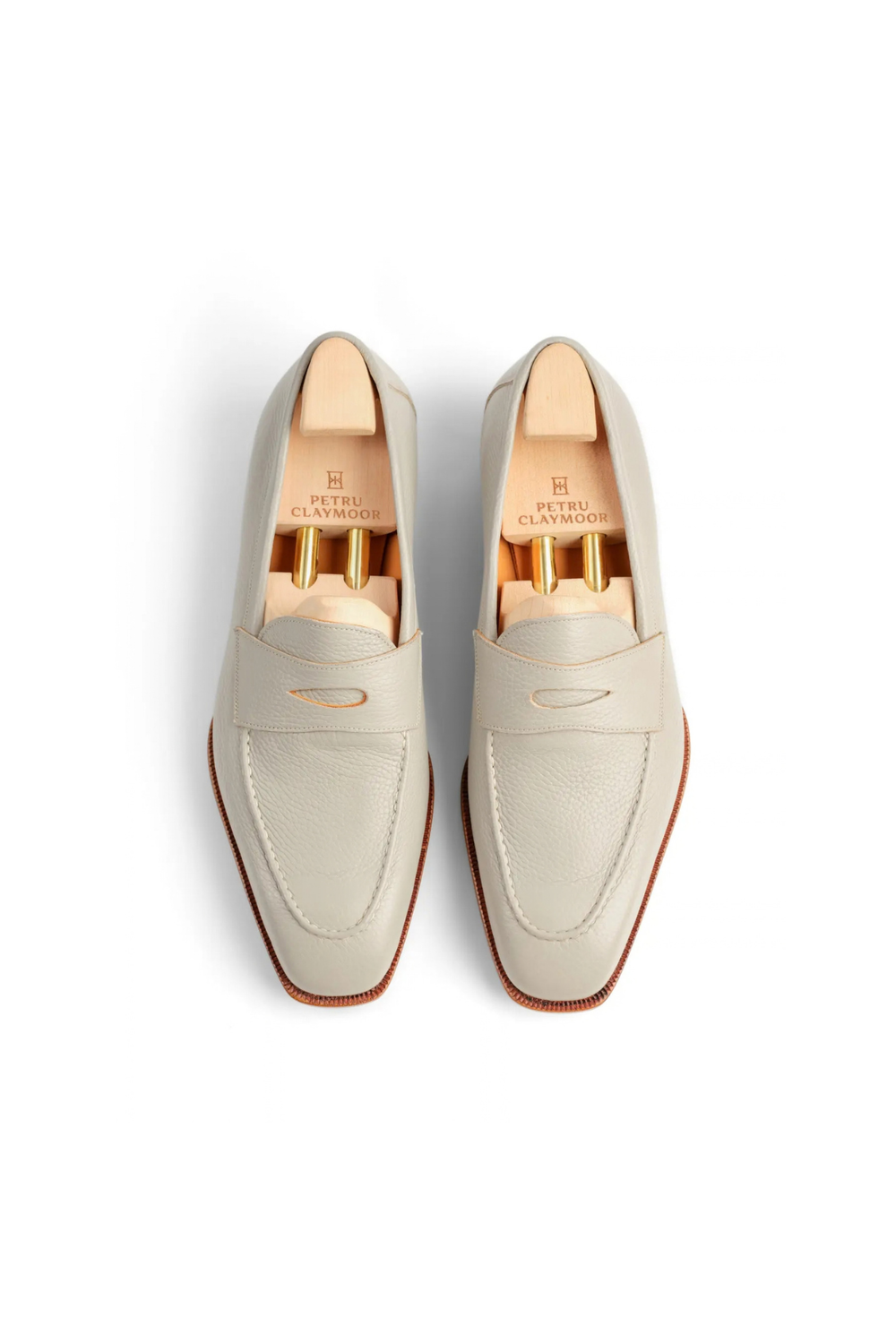
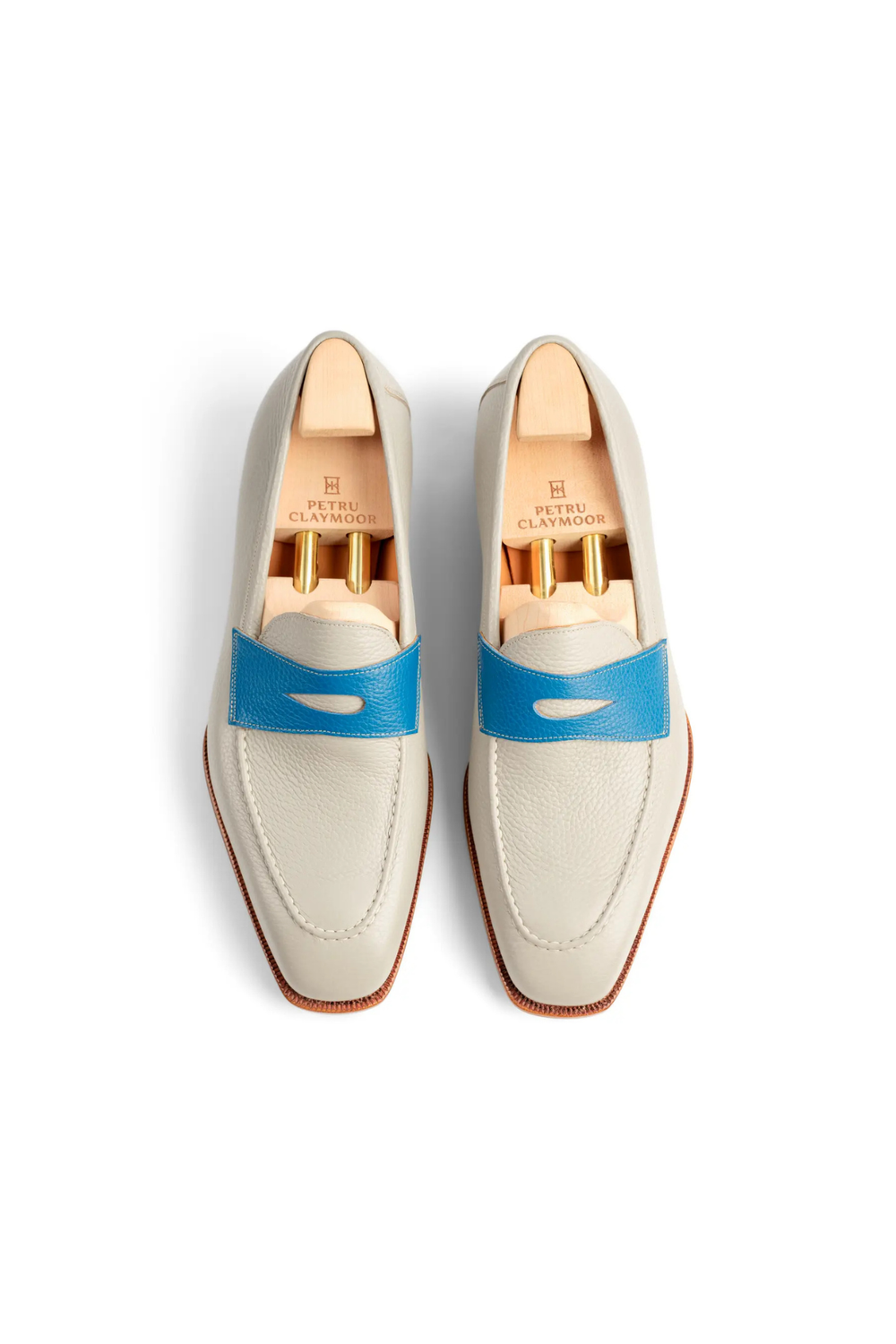
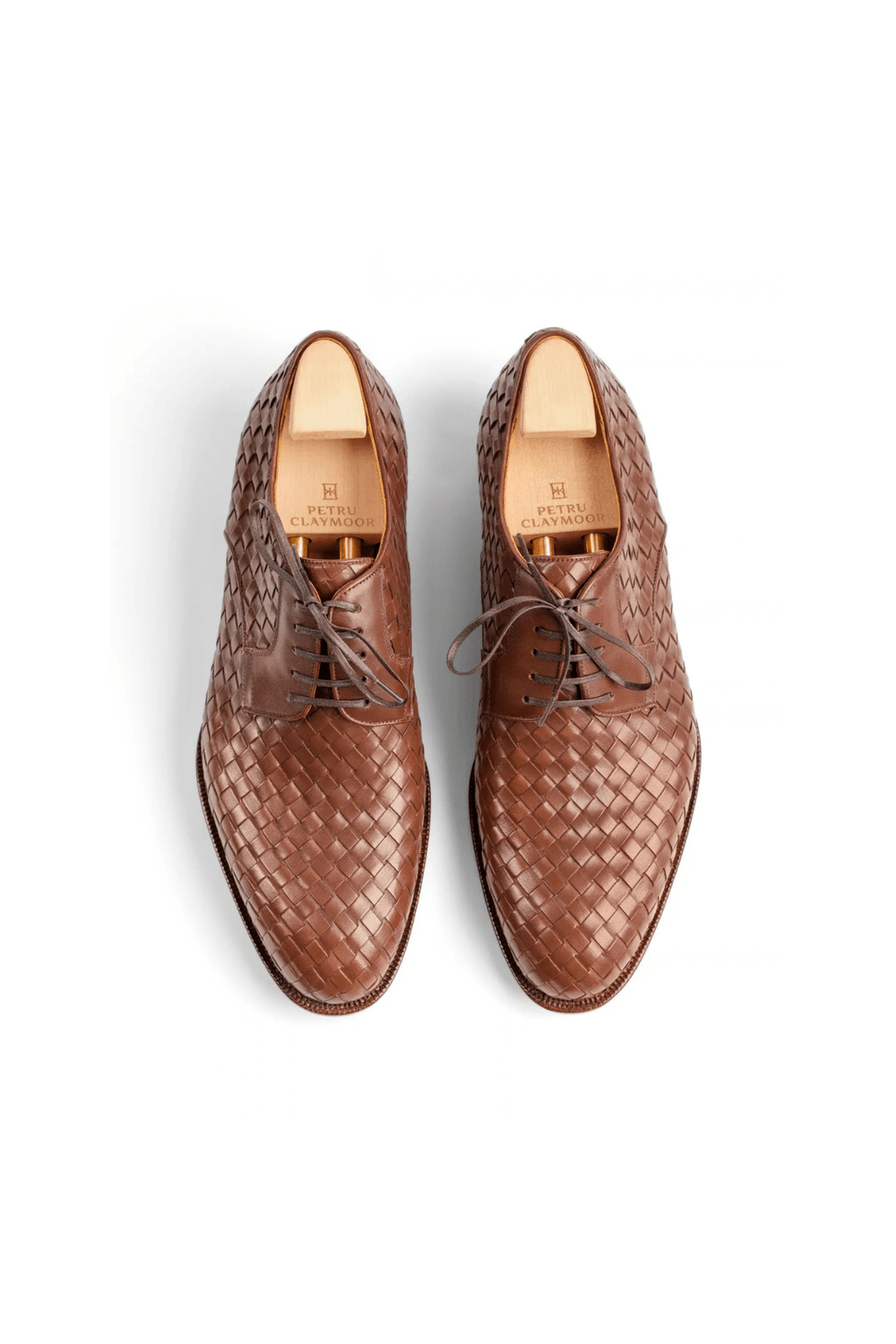
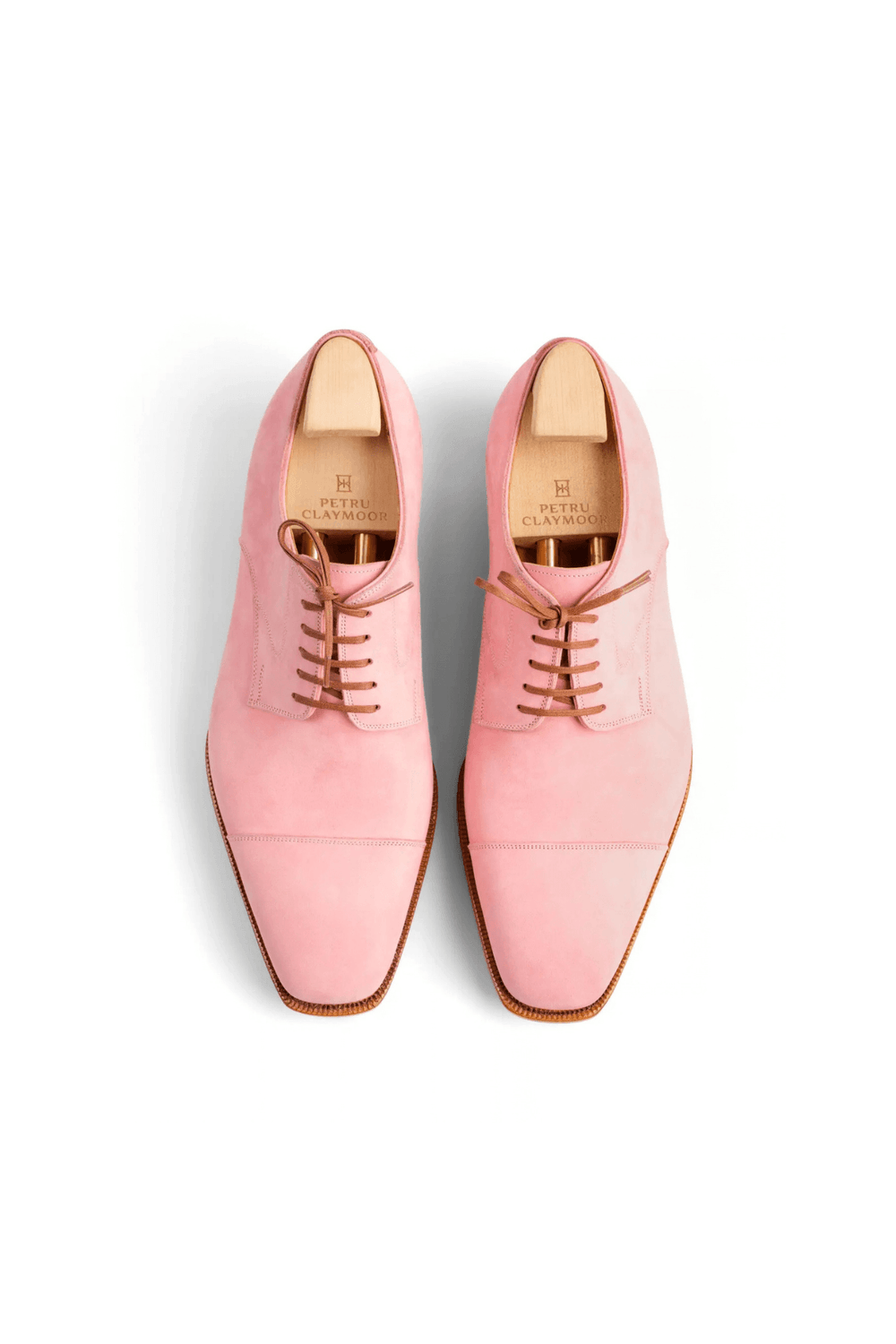
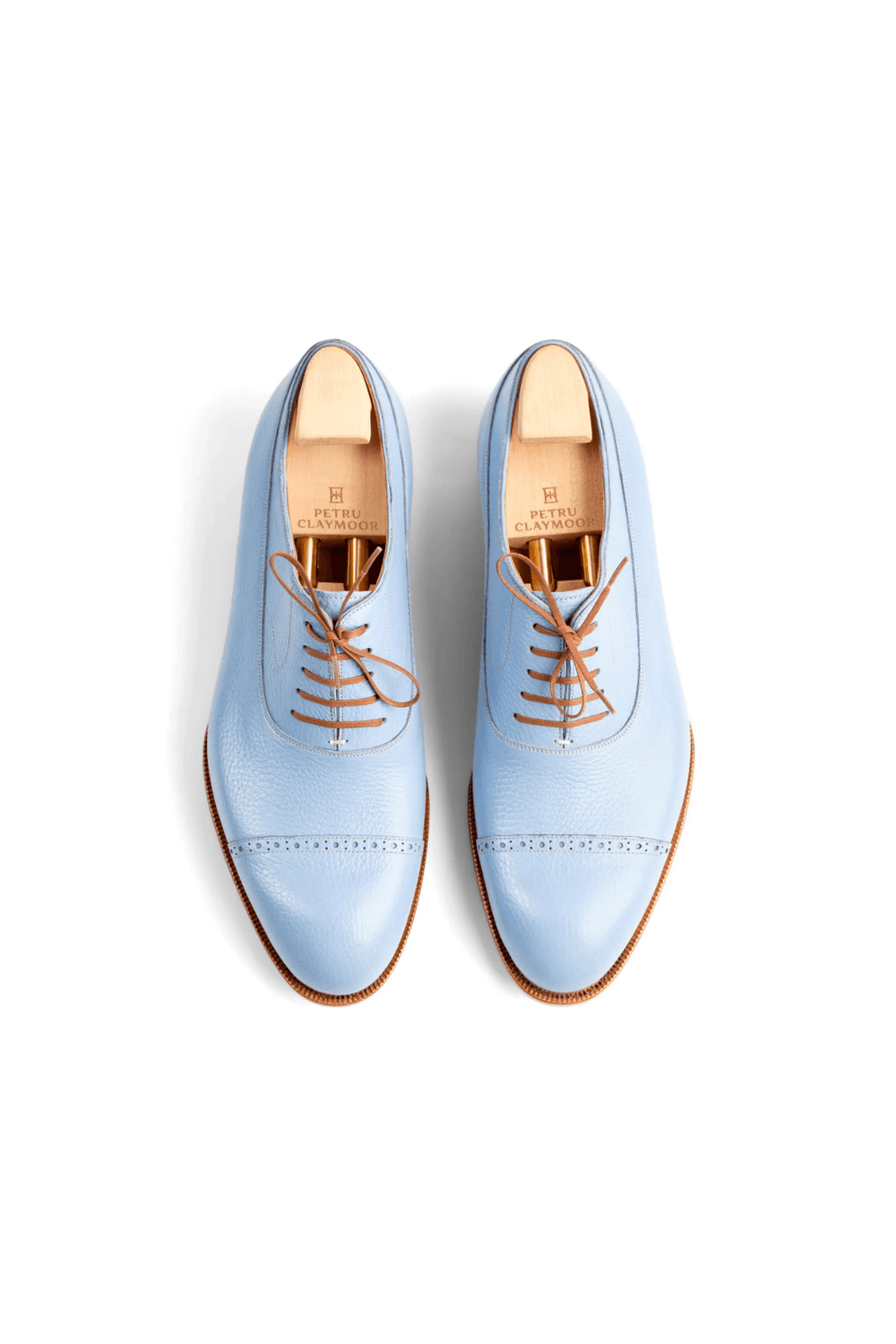
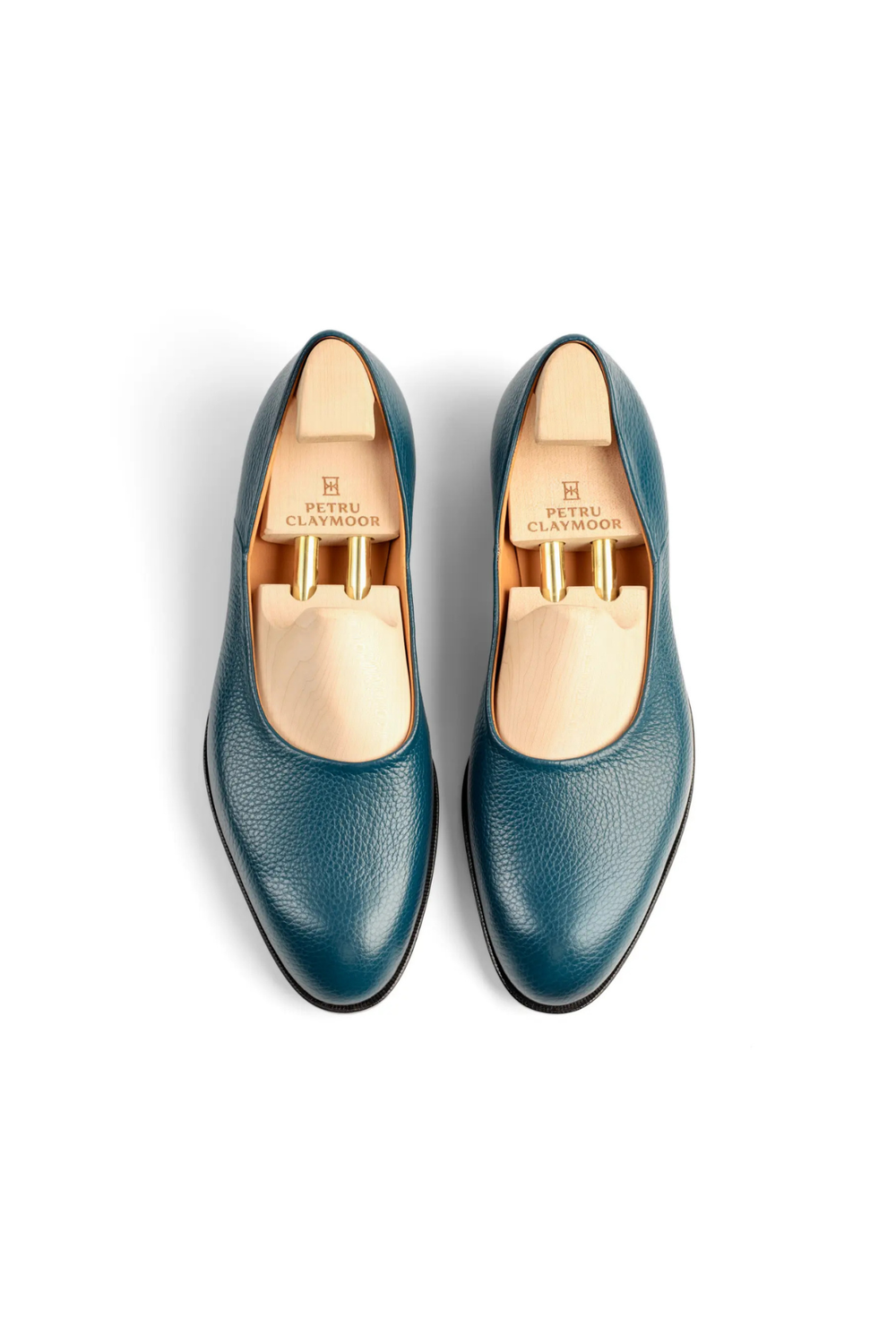
As much as I love traditional shoemaking, I sometimes feel that the industry has become rather predictable. Everyone seems to be producing their interpretation of the same models, often using similar leathers, colors, and patterns.
There is only so much variation one can achieve before everything starts looking rather similar. So when a shoemaker decides to take traditional construction and apply it to something genuinely different, I think it deserves some recognition. Now, whether I would personally wear a pair of pink Oxfords is another question entirely. But that is beside the point. Not every shoe needs to appeal to everyone.
There is clearly a customer out there who appreciates traditional craftsmanship but wants something a little more expressive, perhaps even slightly avant-garde. And I suspect that is precisely whom Petru Claymoor is targeting here.
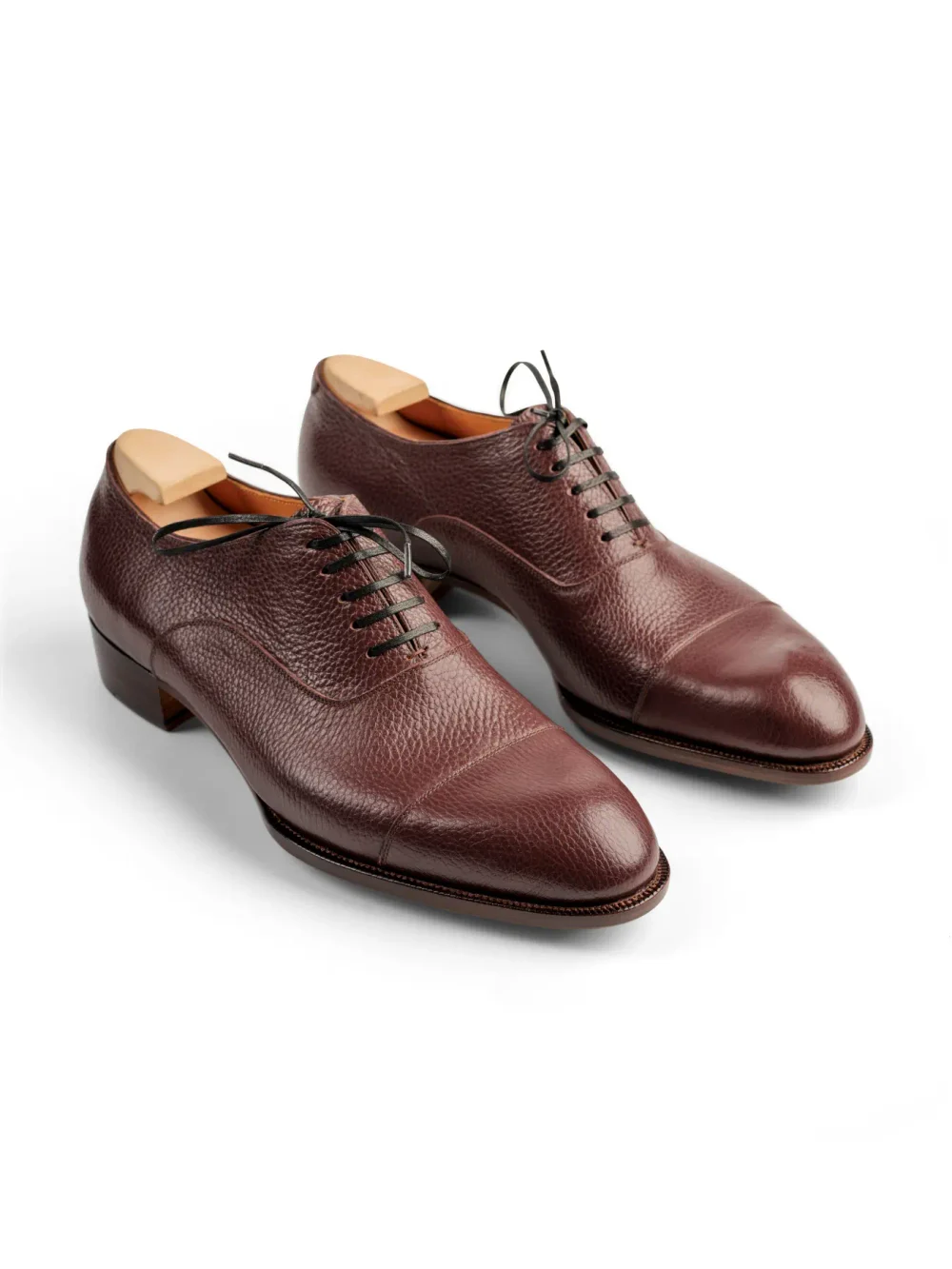
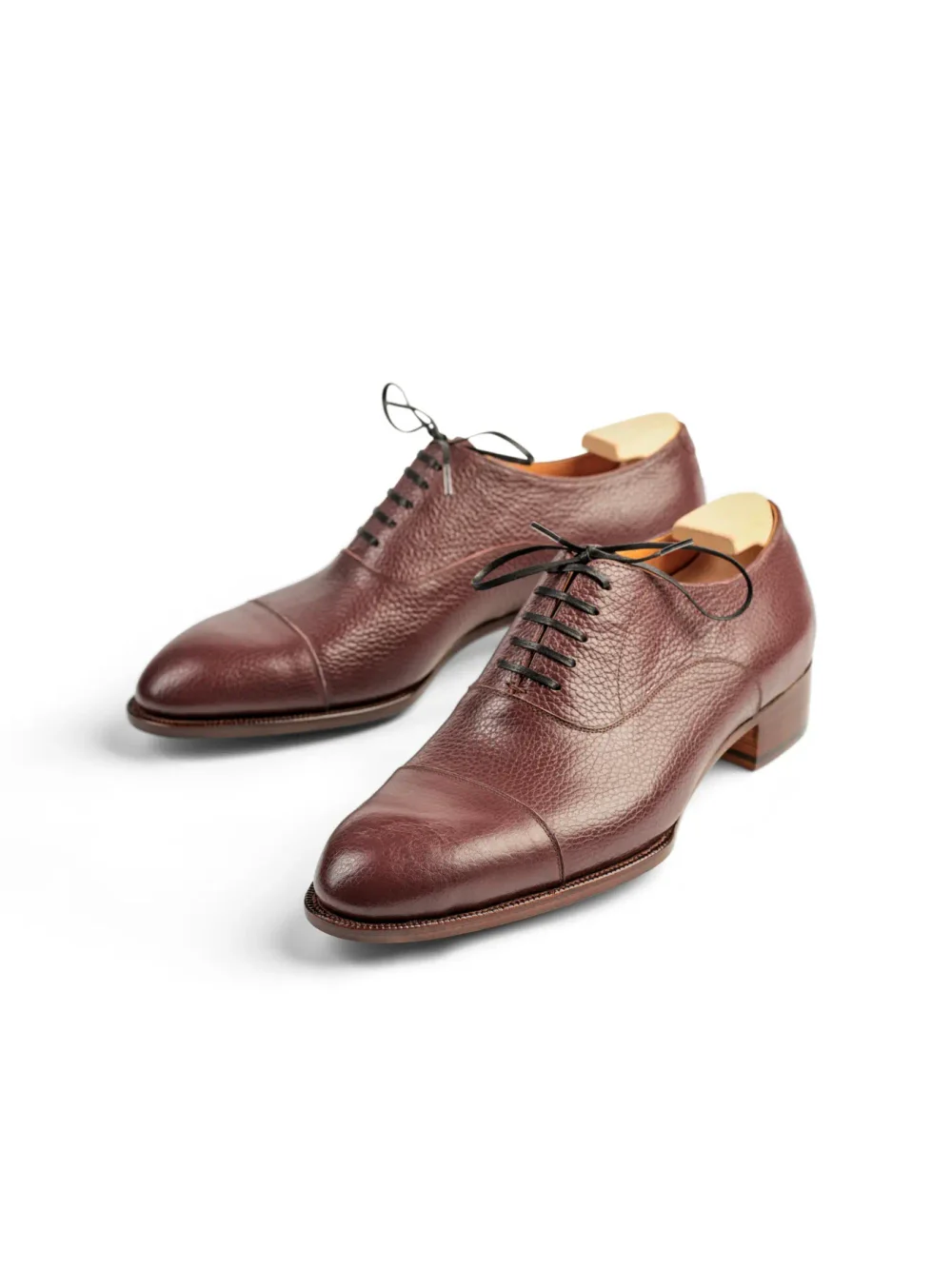
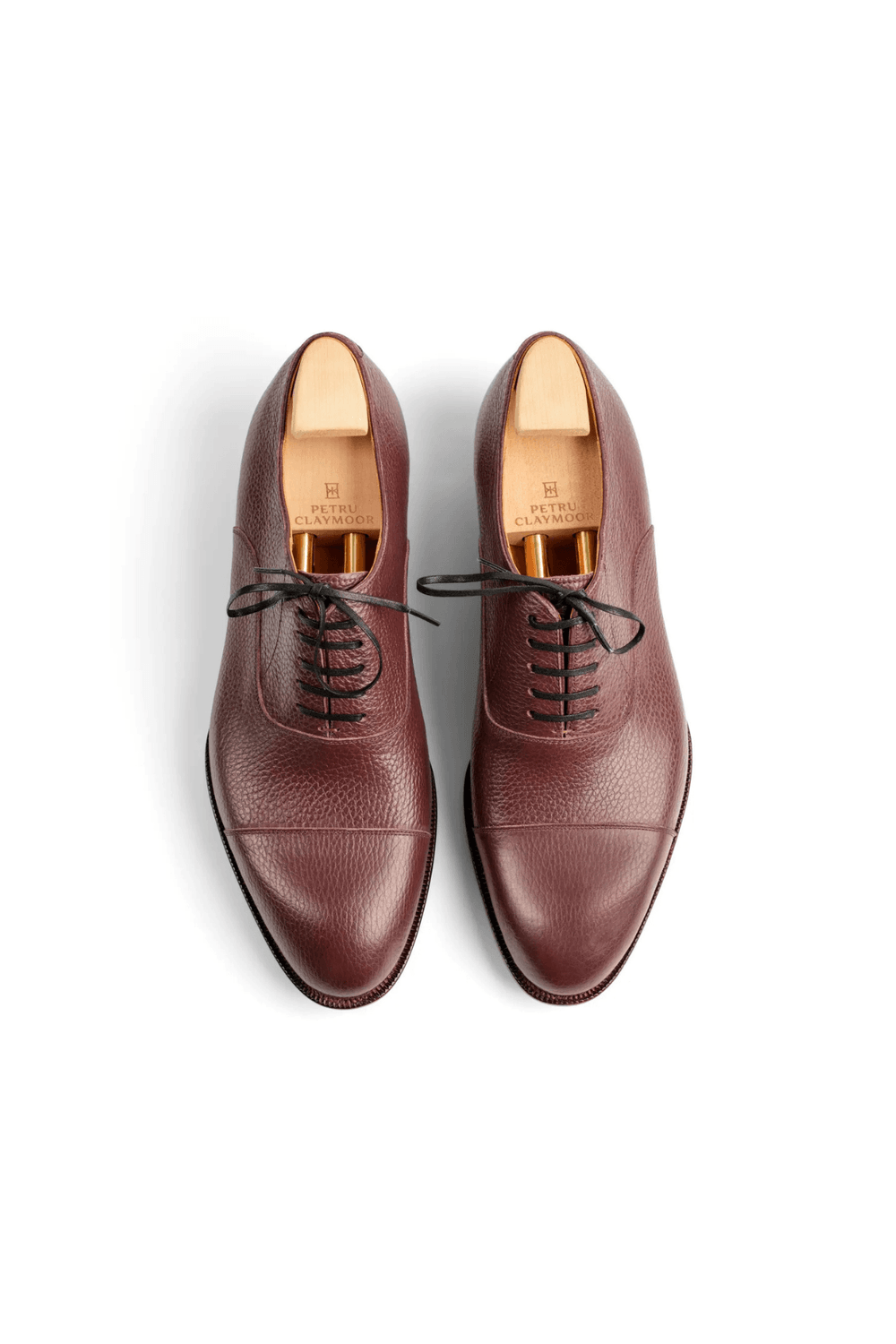
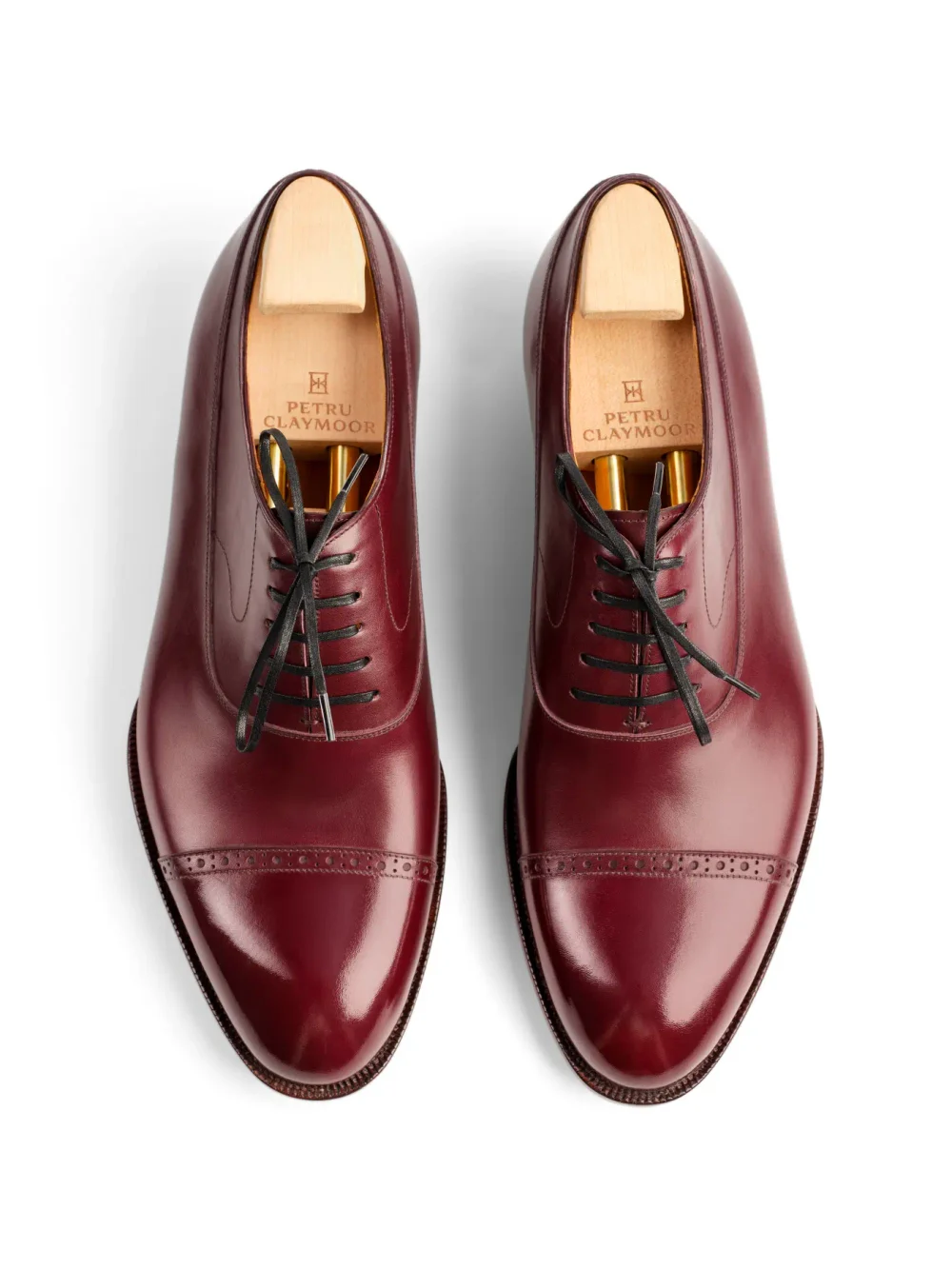
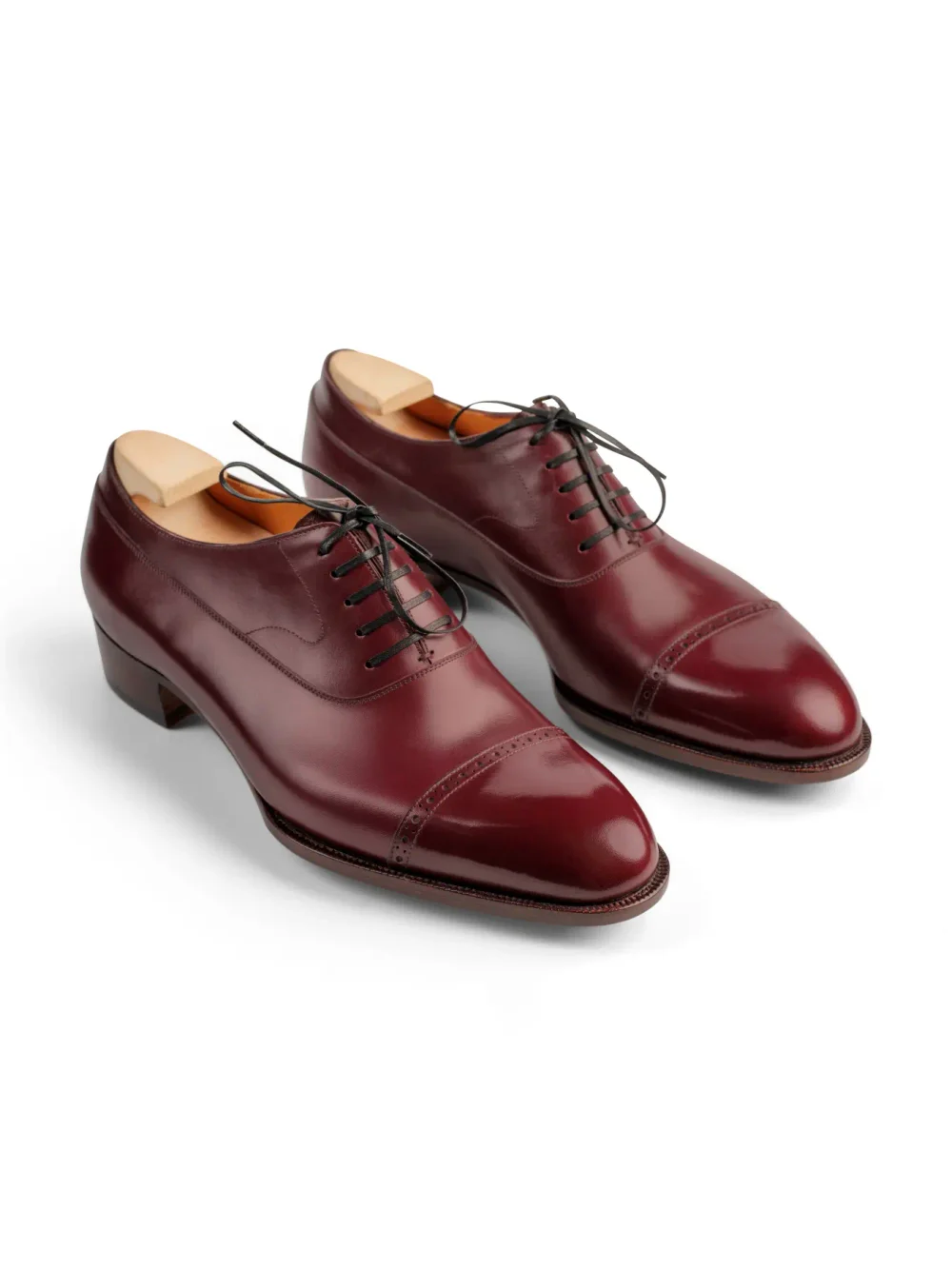
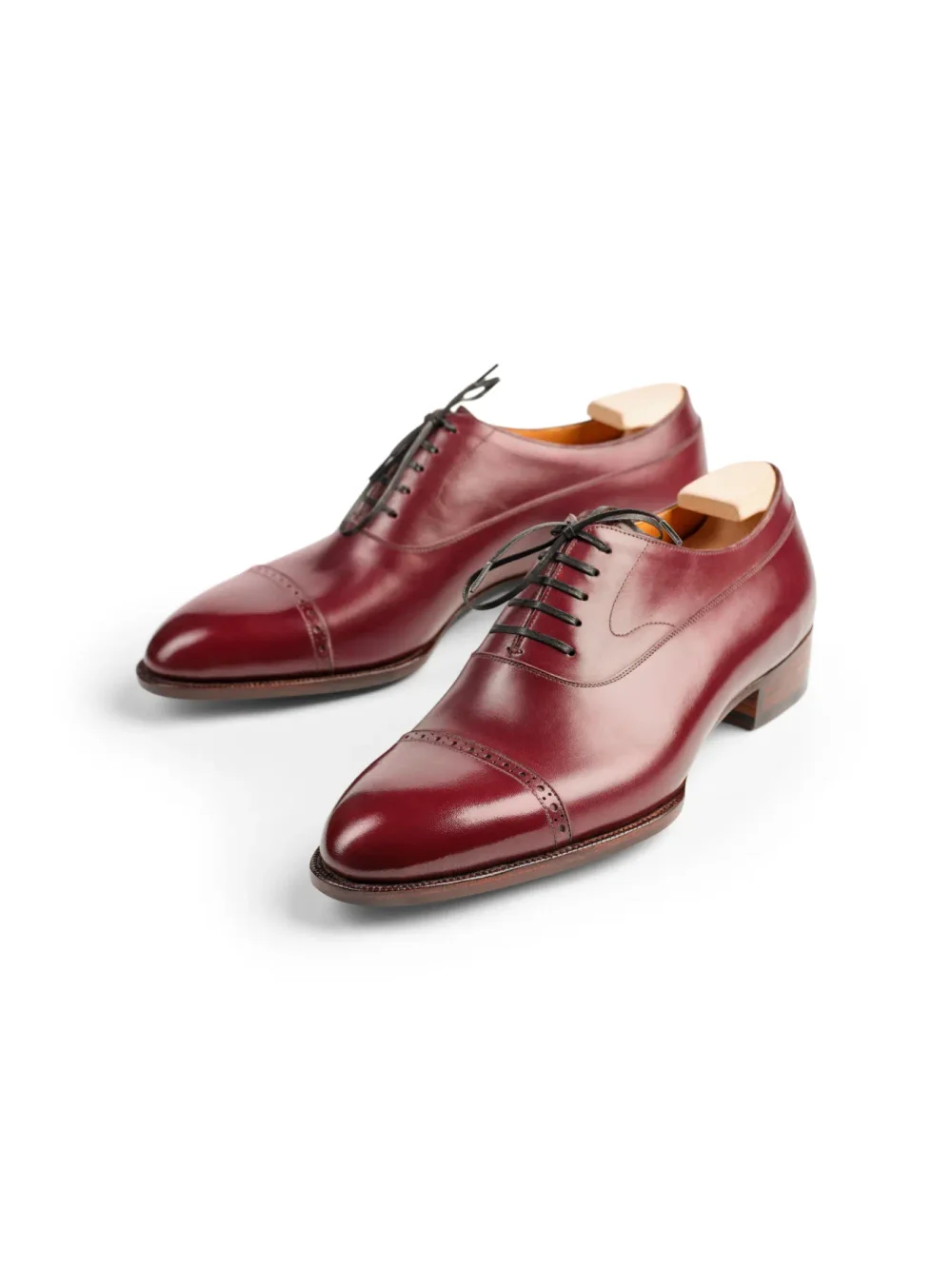
The Essentials collection is also the most affordable of the three, with prices ranging from €1,800 to €1,900. Of course, I use the word affordable rather loosely here, as most people wouldn’t even dream of spending that much on a pair of shoes. But for enthusiasts who value handmade footwear, well, that can be quite a deal!
What is important is that these are still described as traditionally handmade shoes, featuring hand-lasting, hand-welting, hand-shaped leather stiffeners, and hand-polishing. My only query is if the sole stitch is done by hand or if they use a hand-wheel sole-stitching machine.
The soles are generally described simply as leather outsoles, without the specific oak bark-tanned leather used on certain models in the other collections. So while this is the entry-level offering from Petru Claymoor, it is certainly not entry-level footwear in the conventional sense.
The Signature Collection – A Different Approach to Design
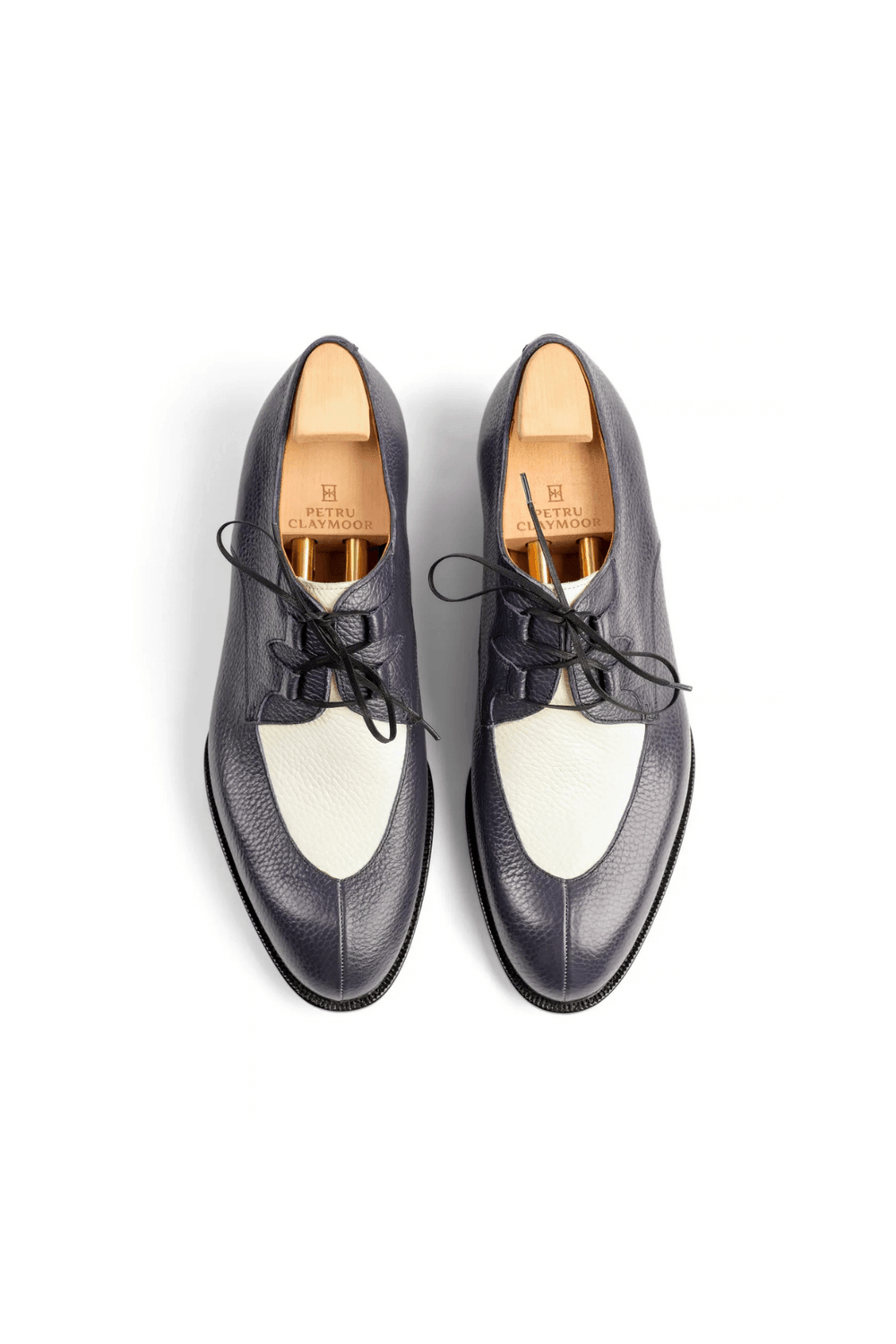
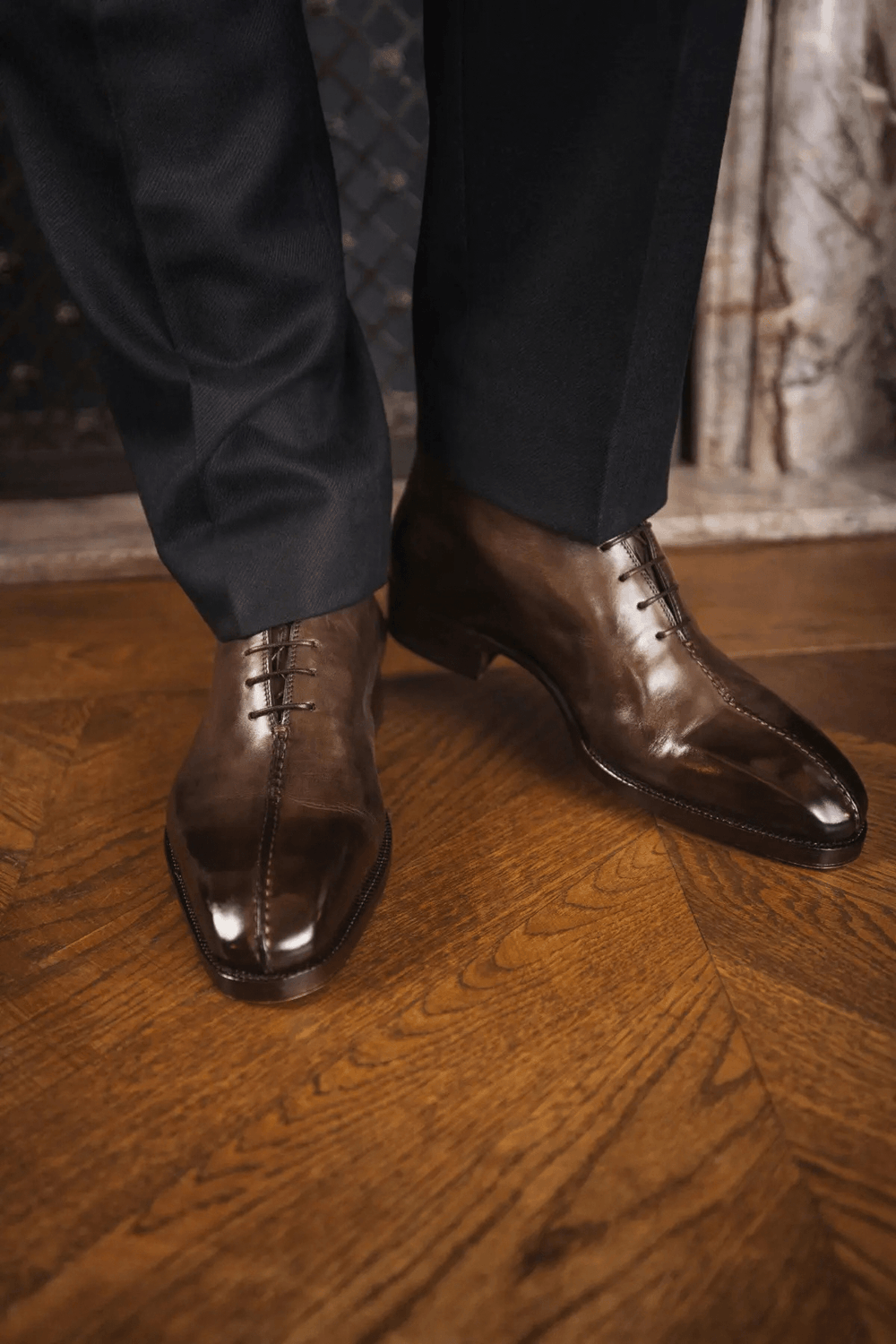
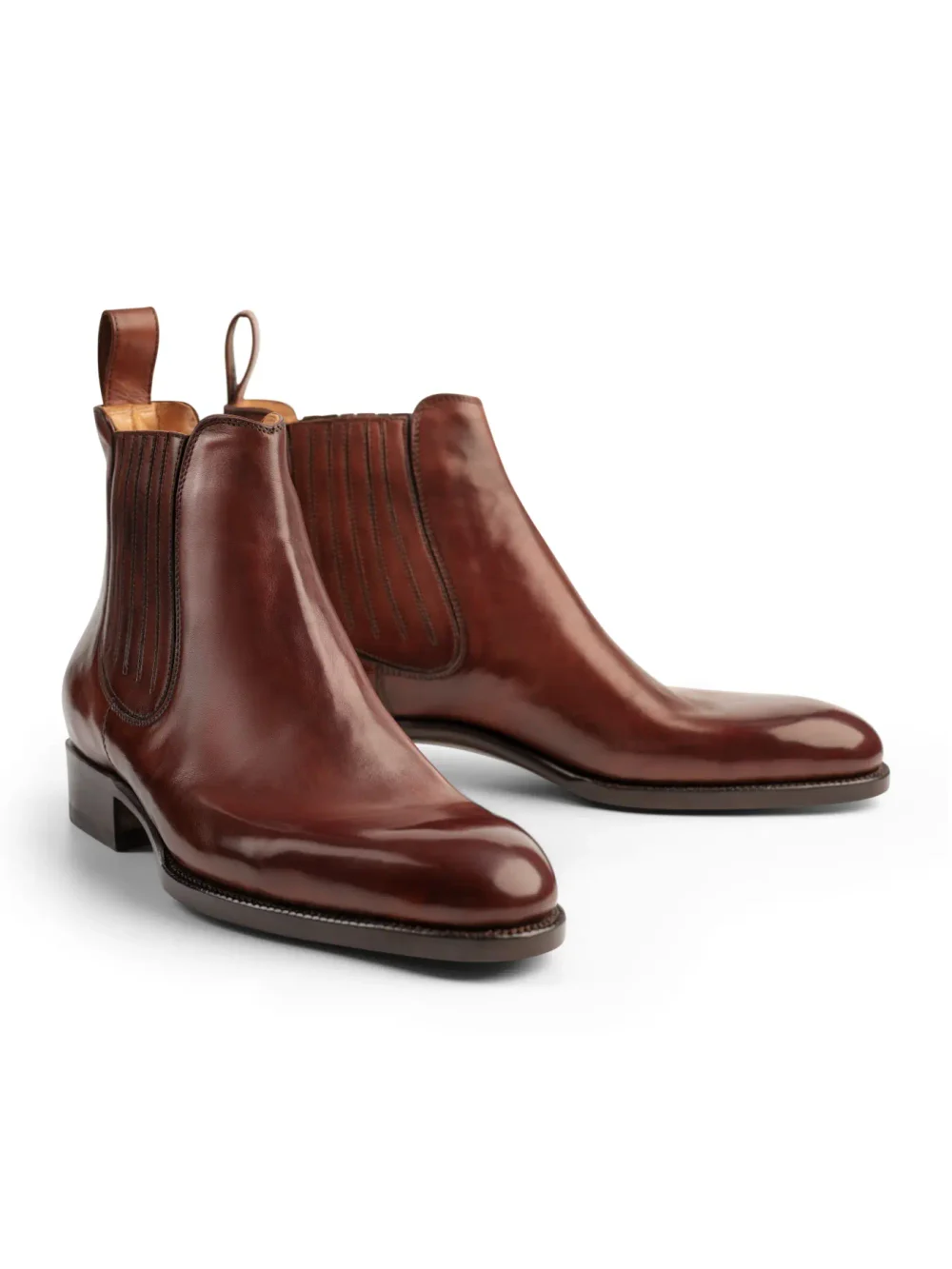
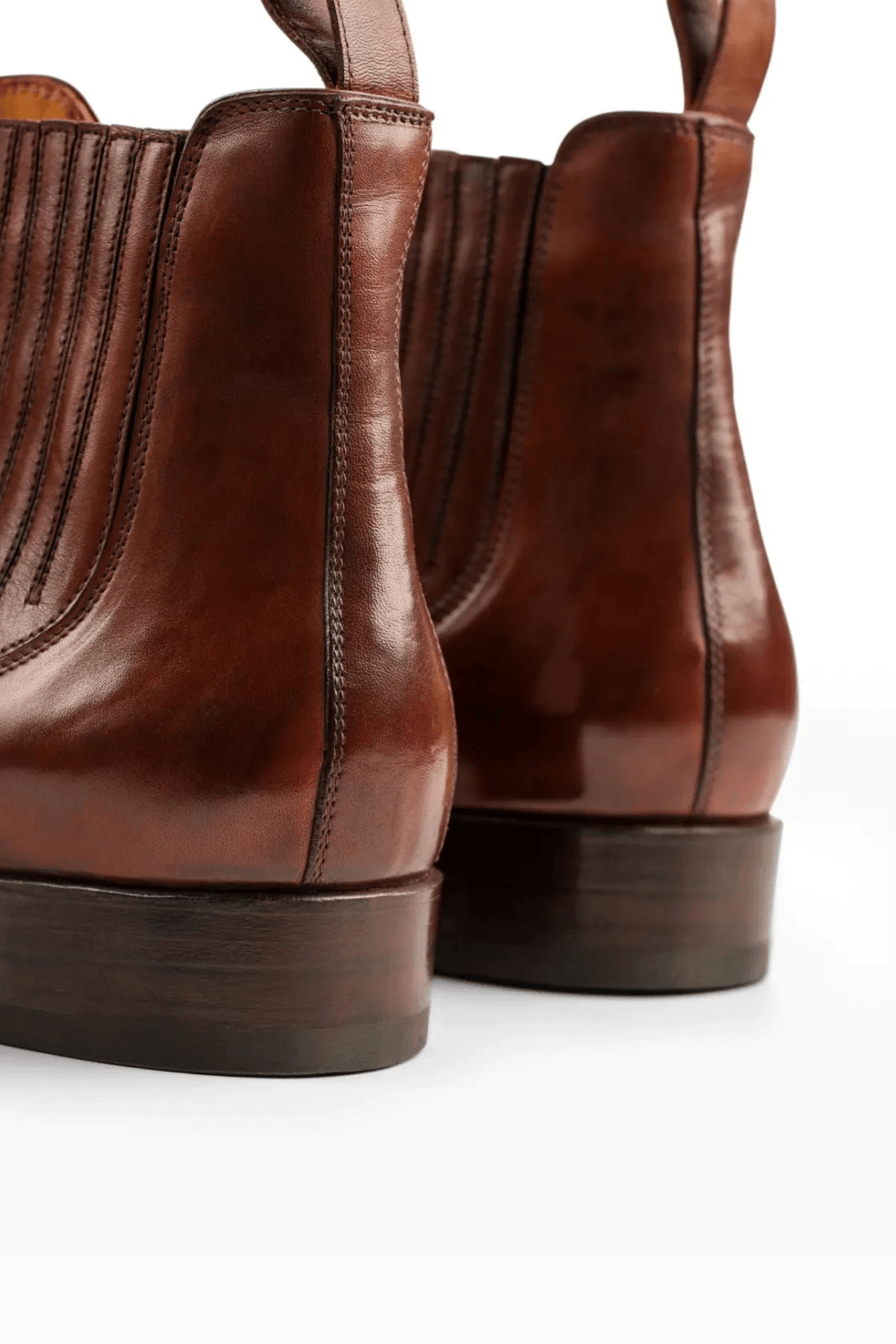
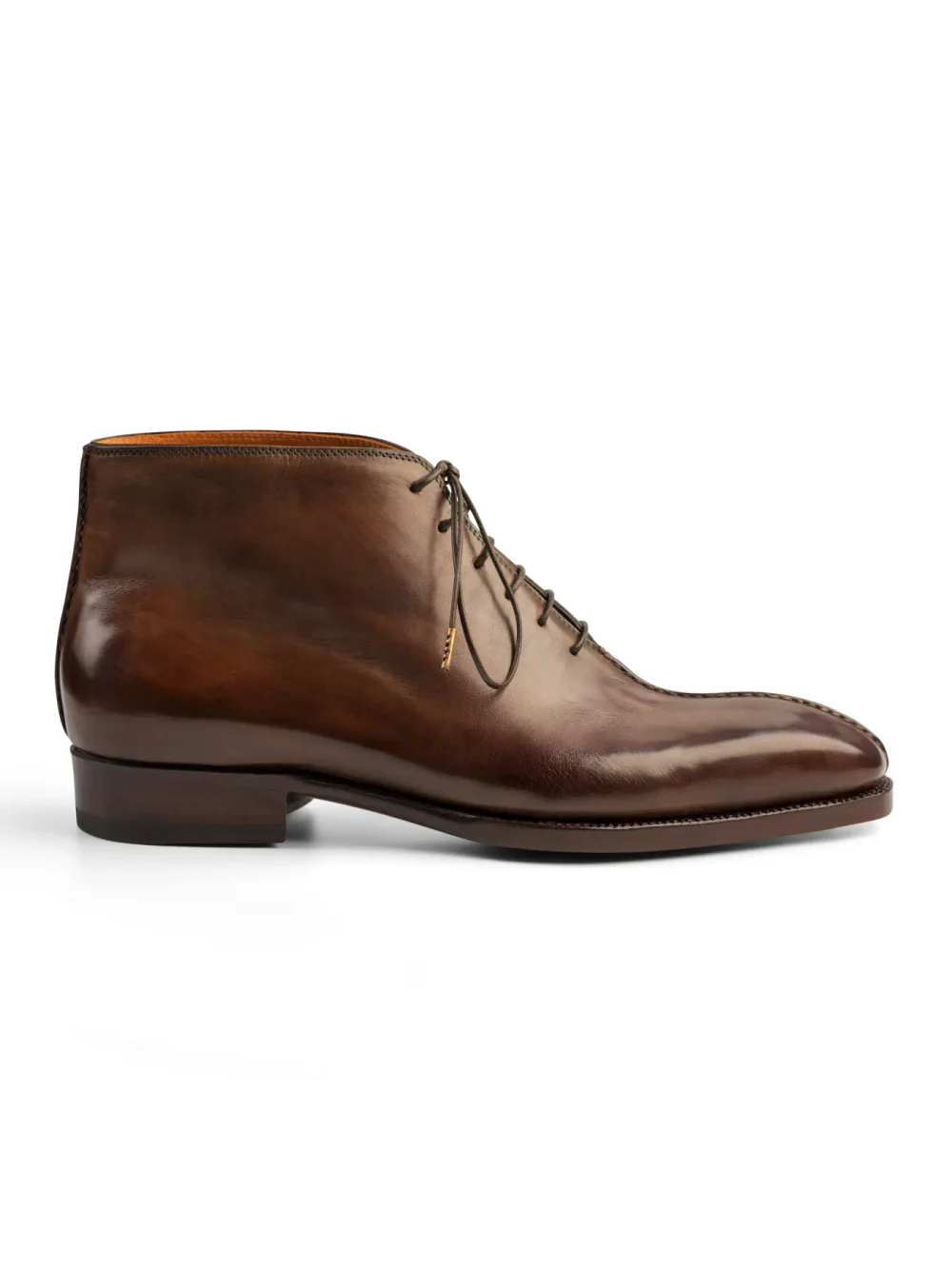
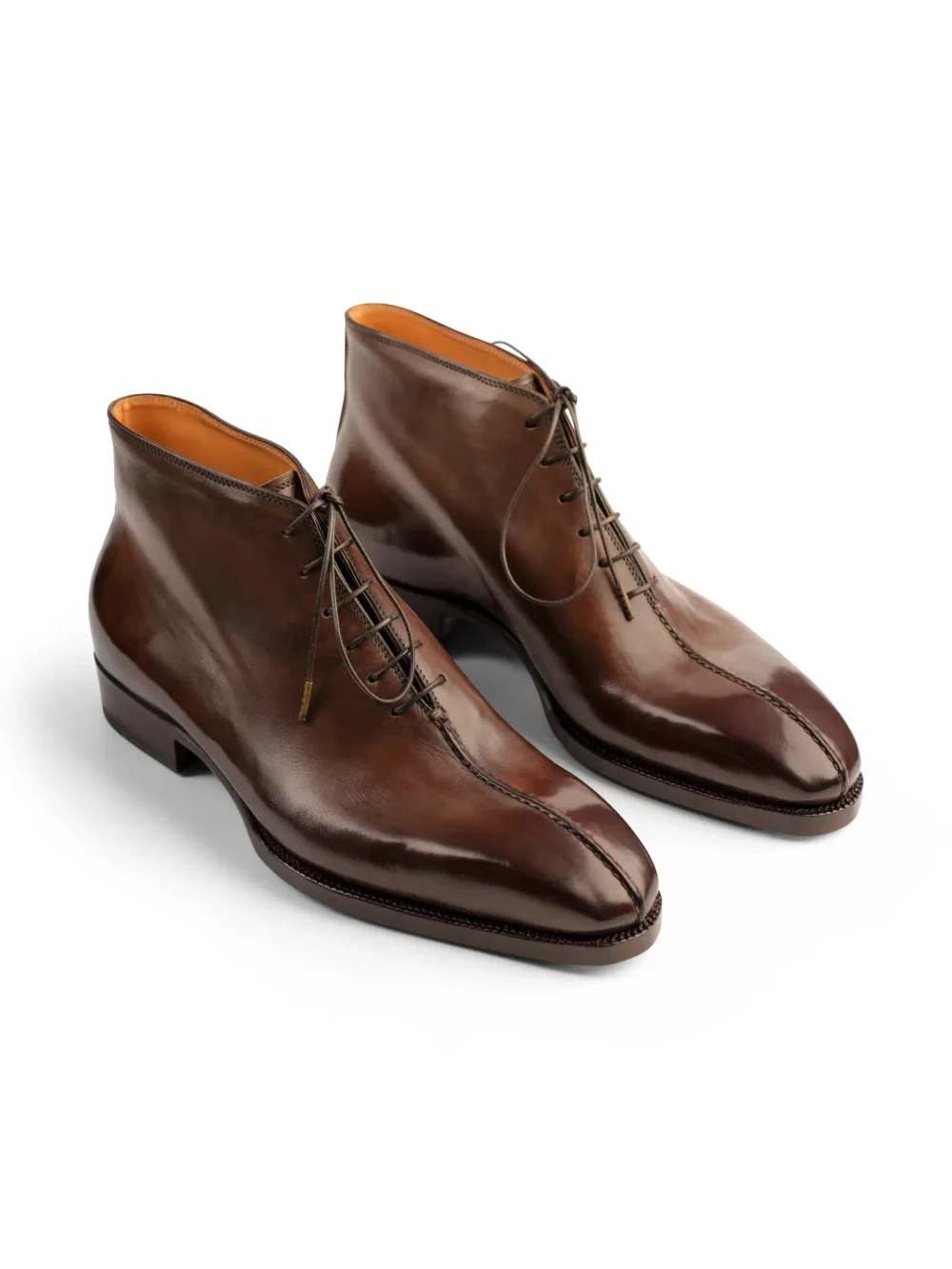
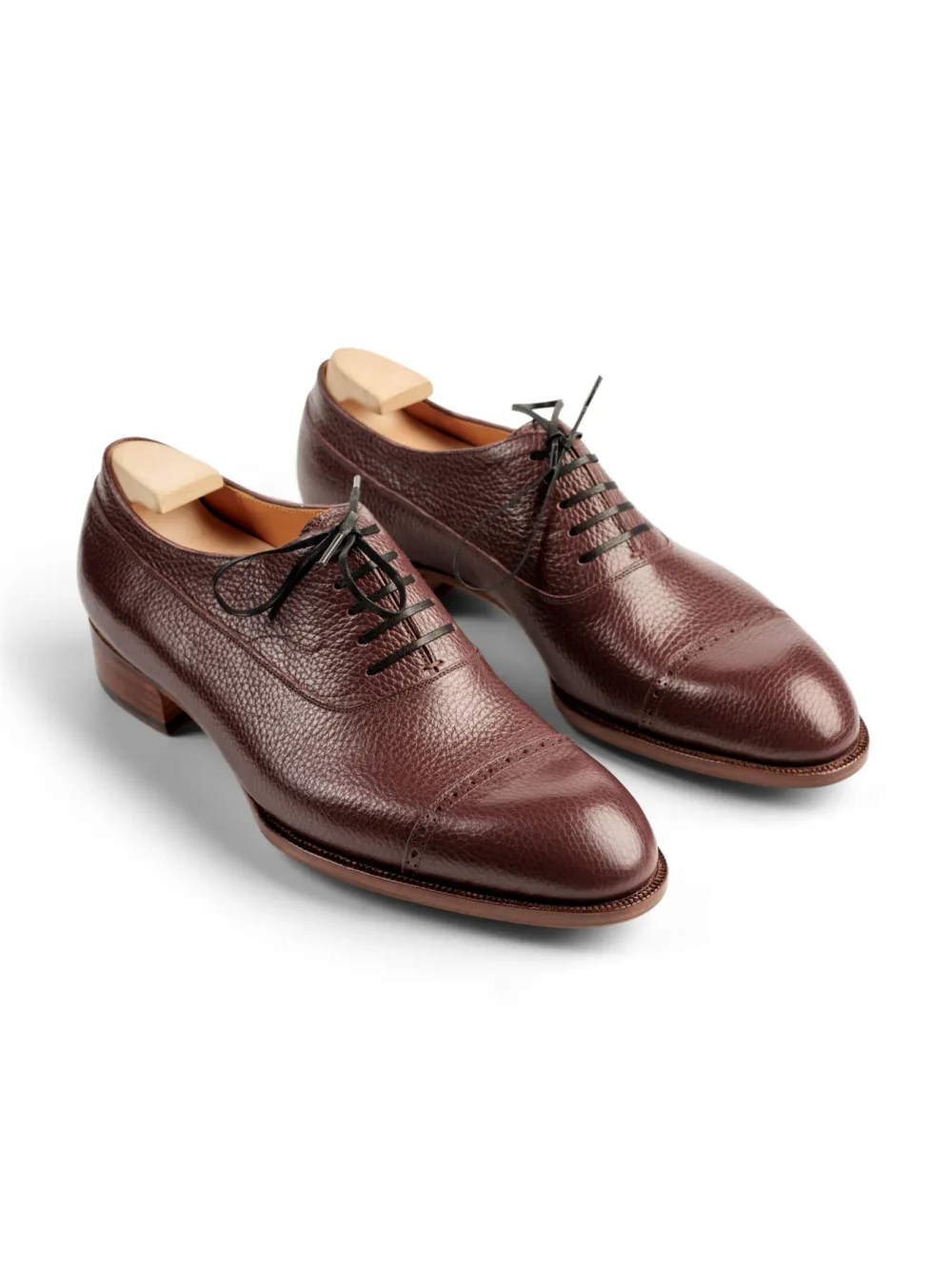
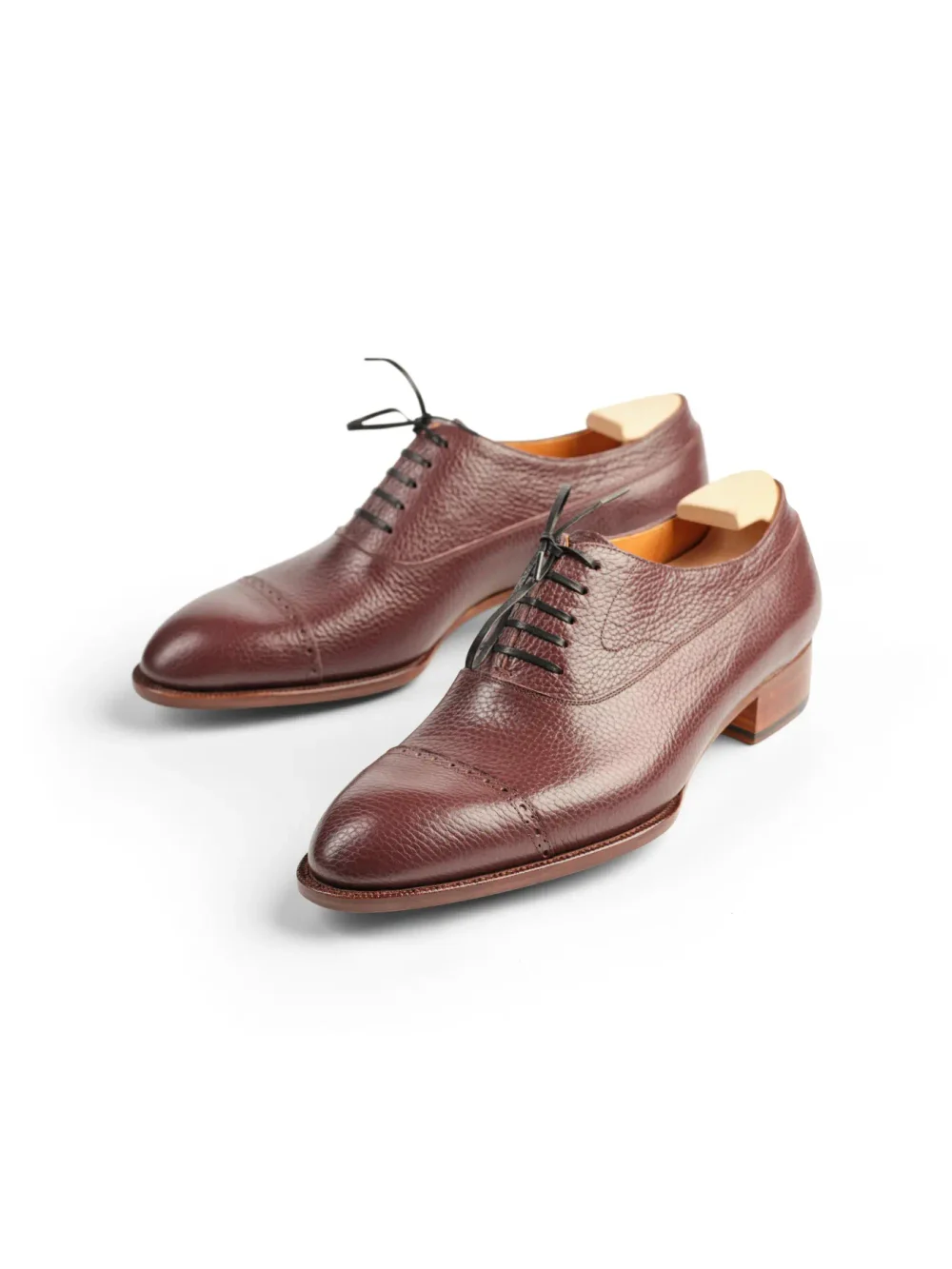
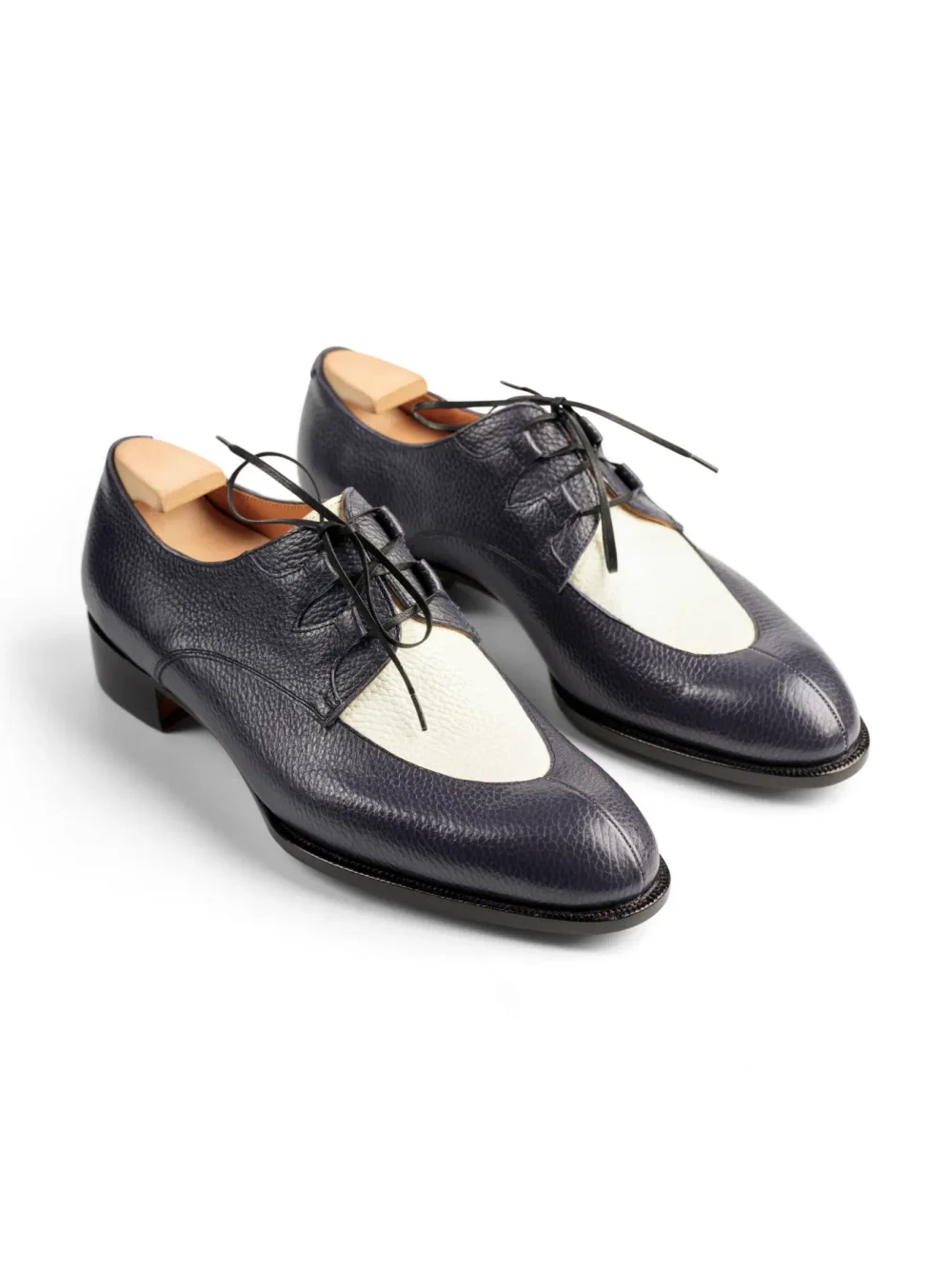
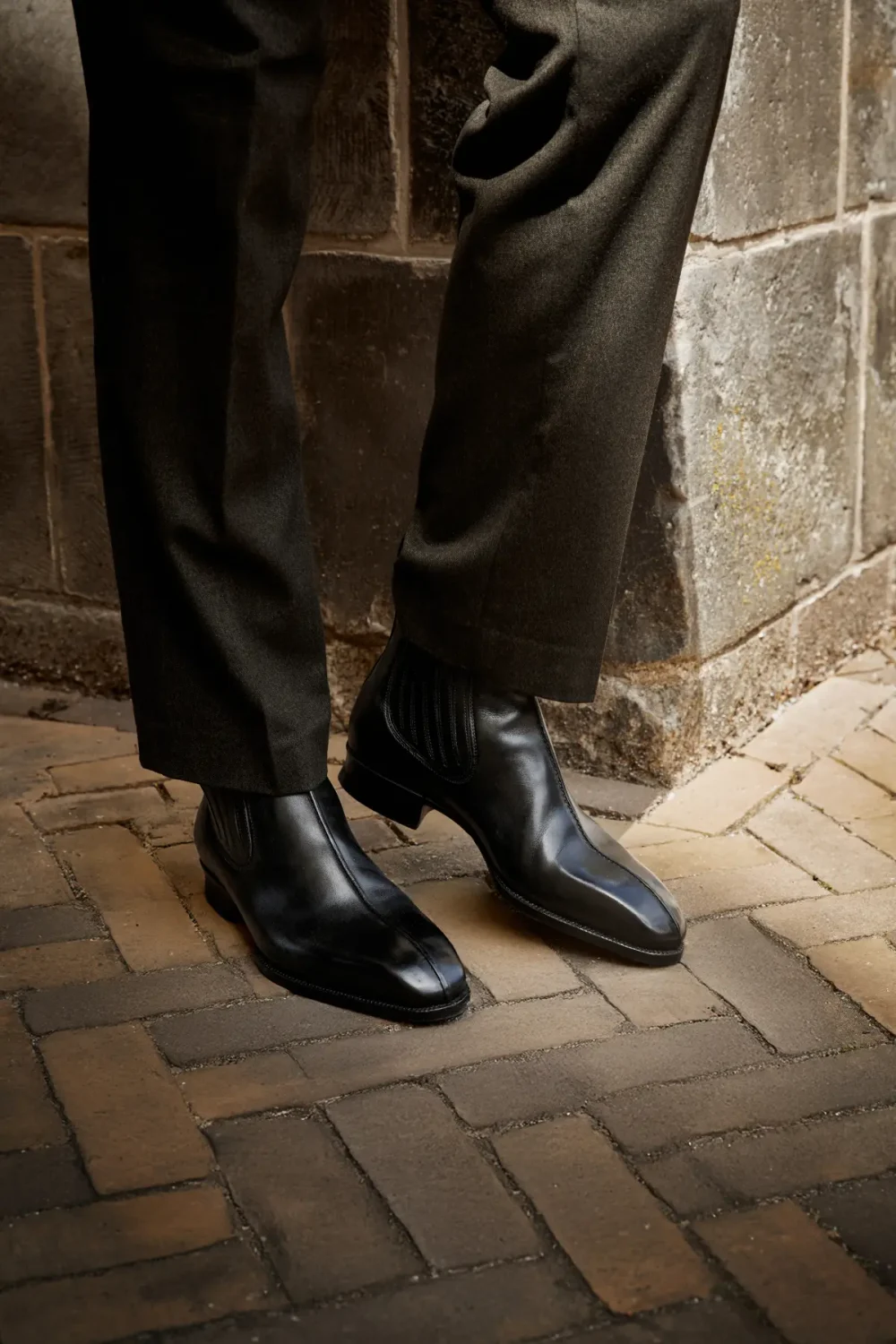
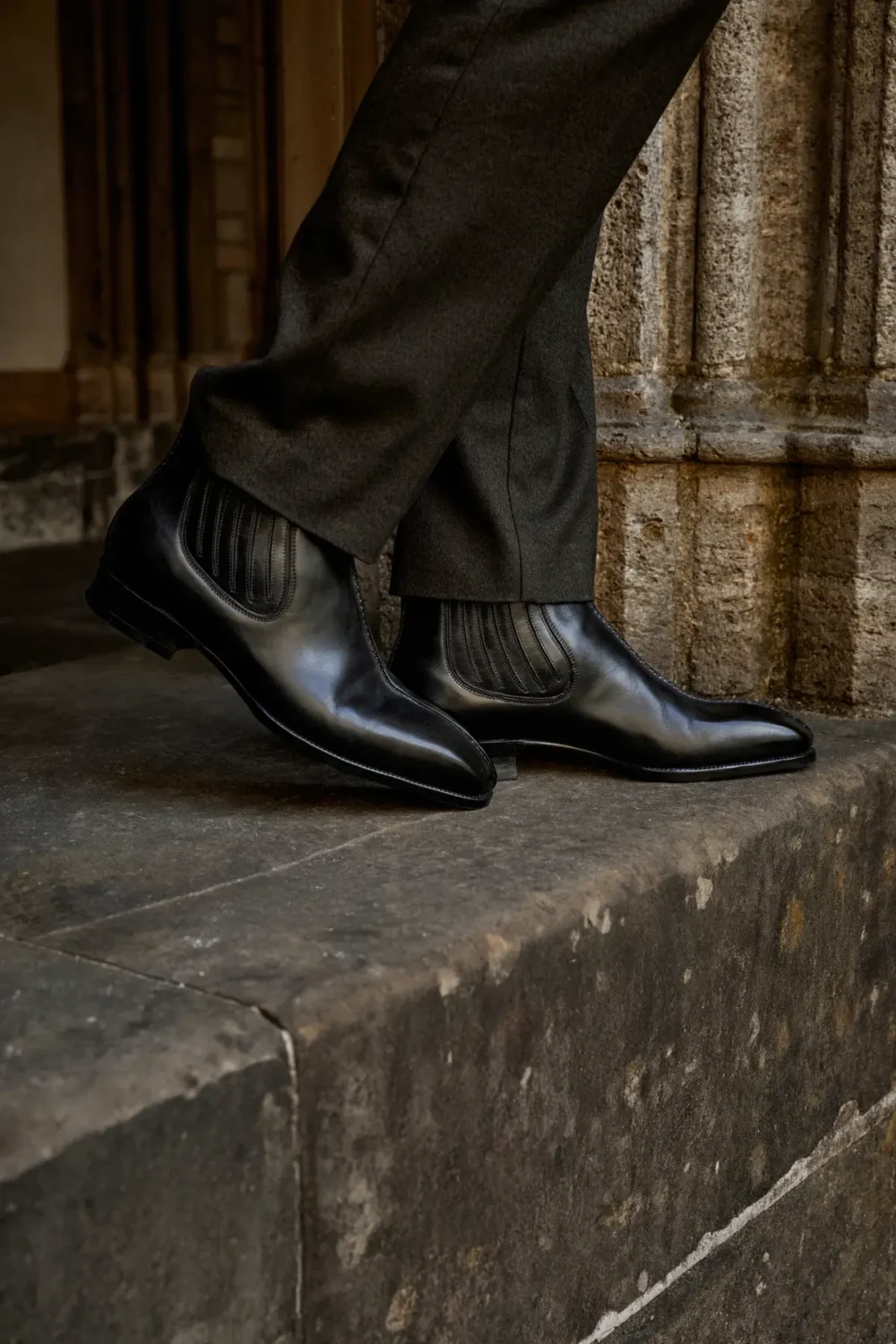
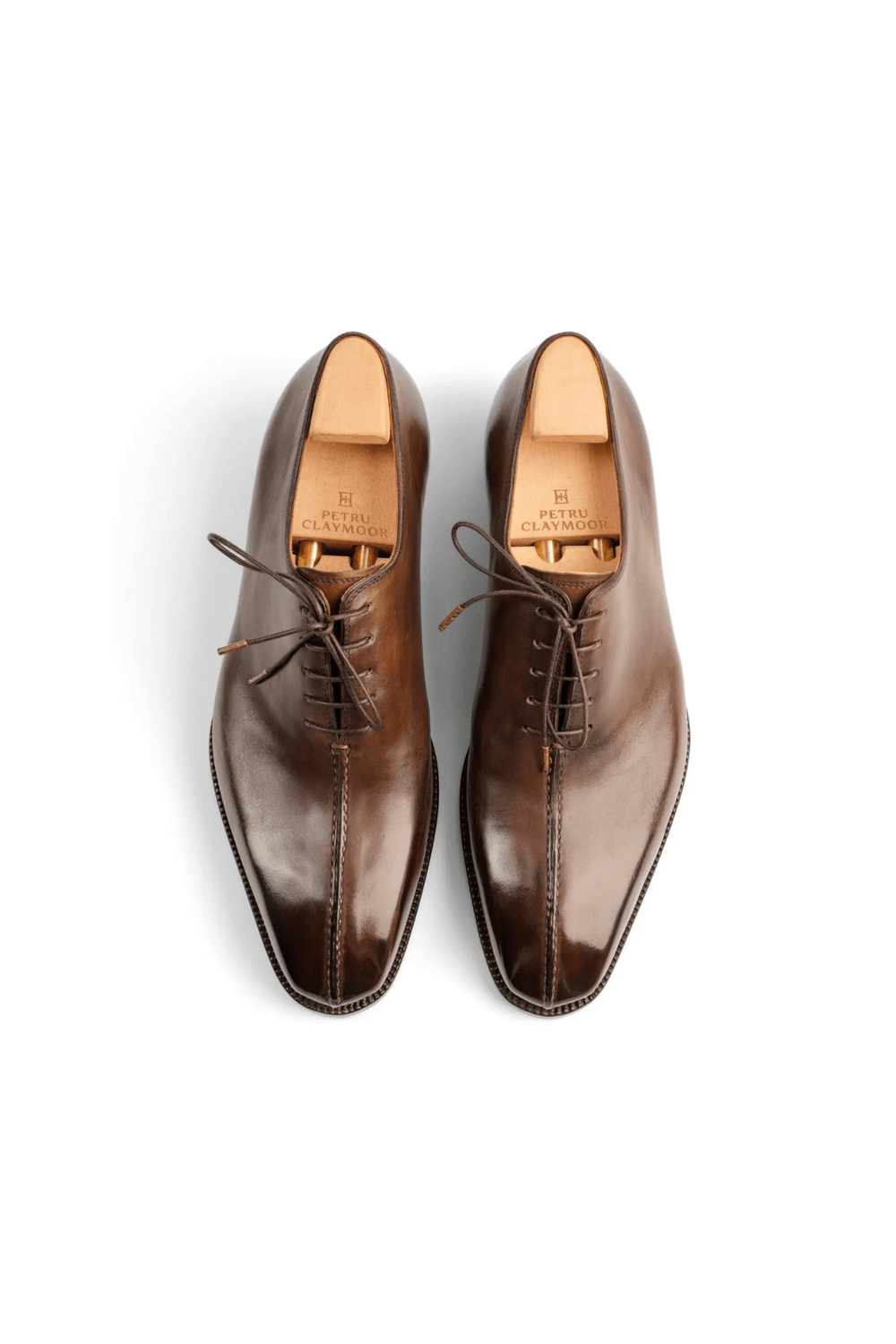
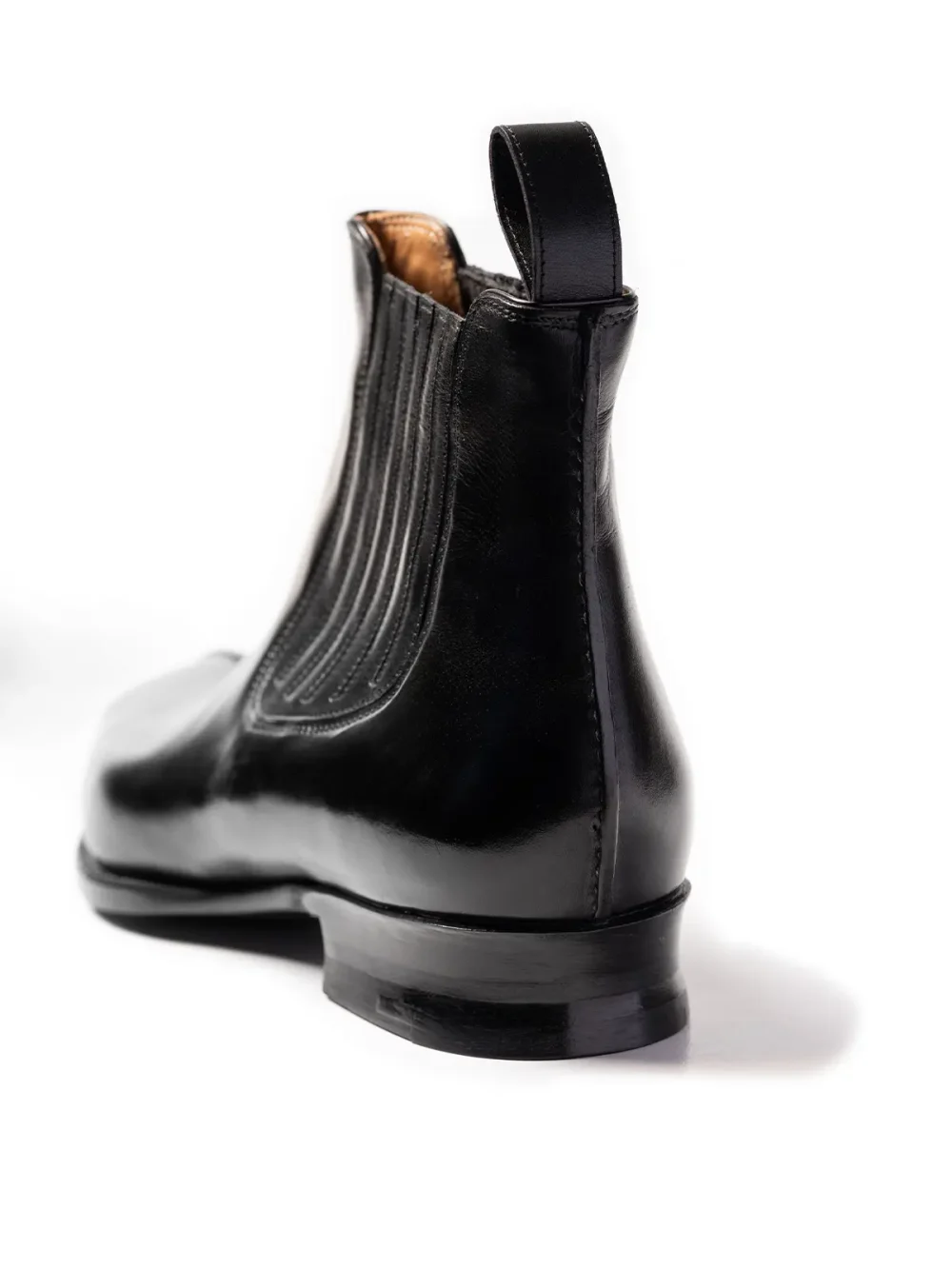
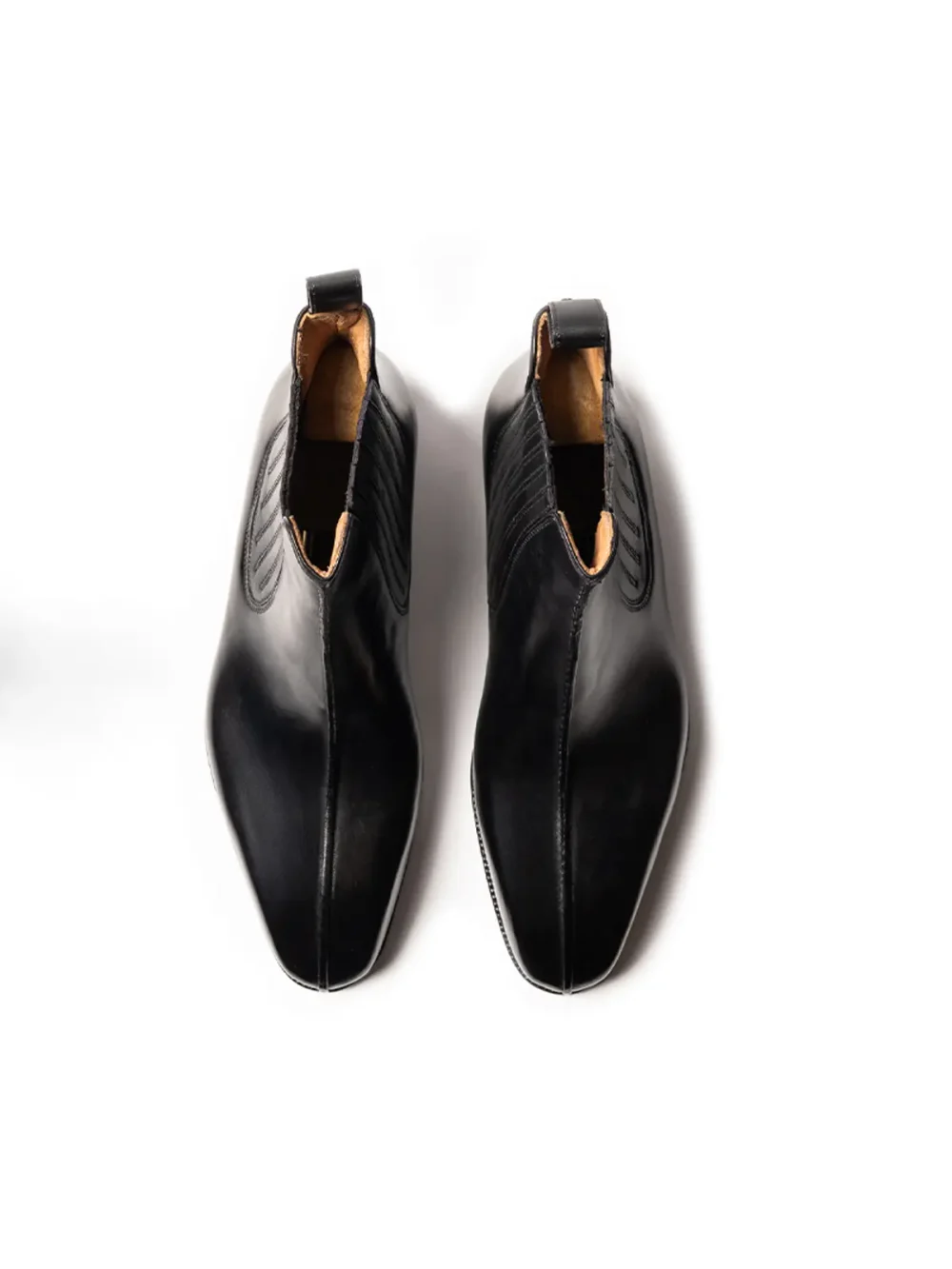
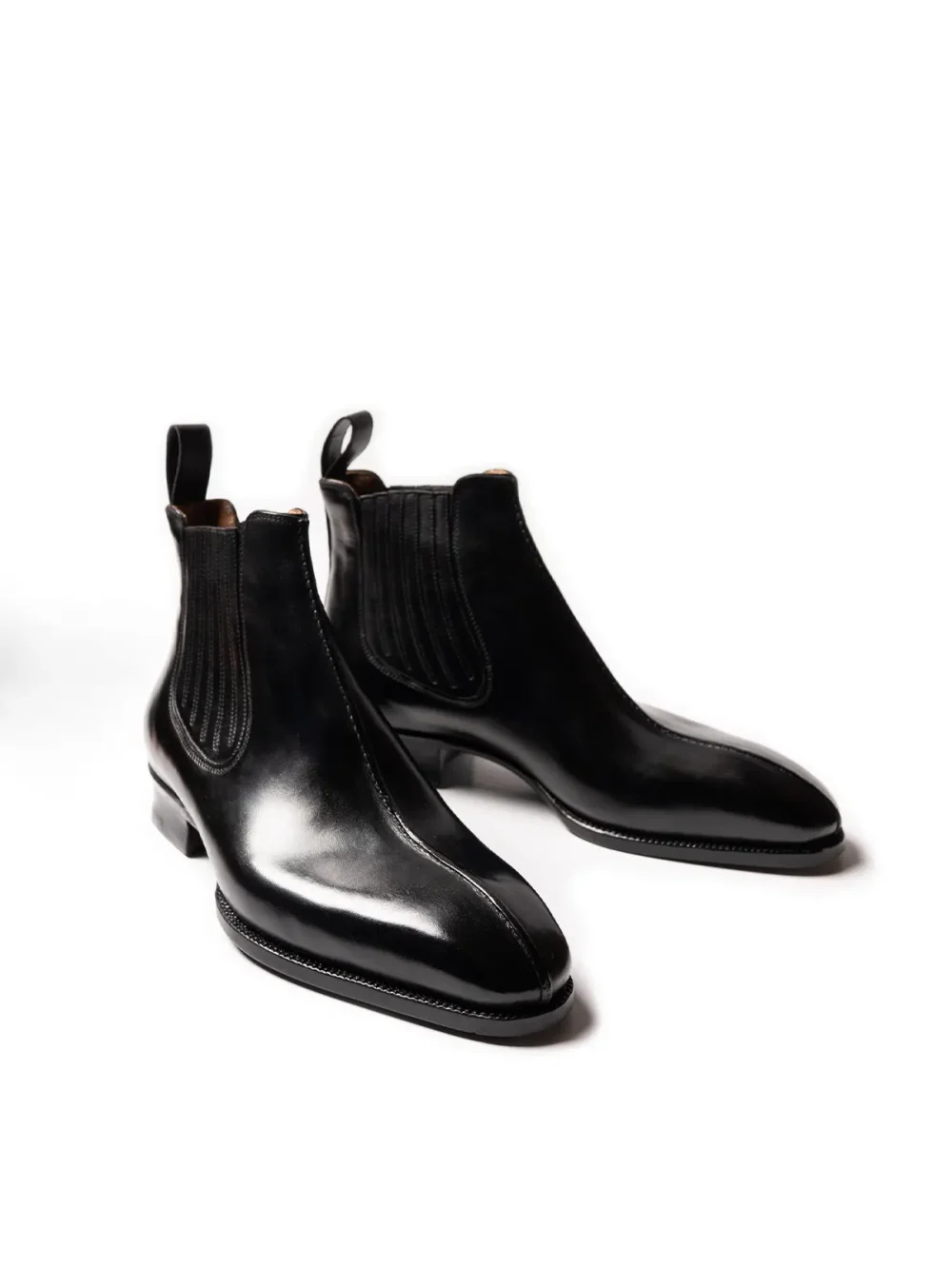
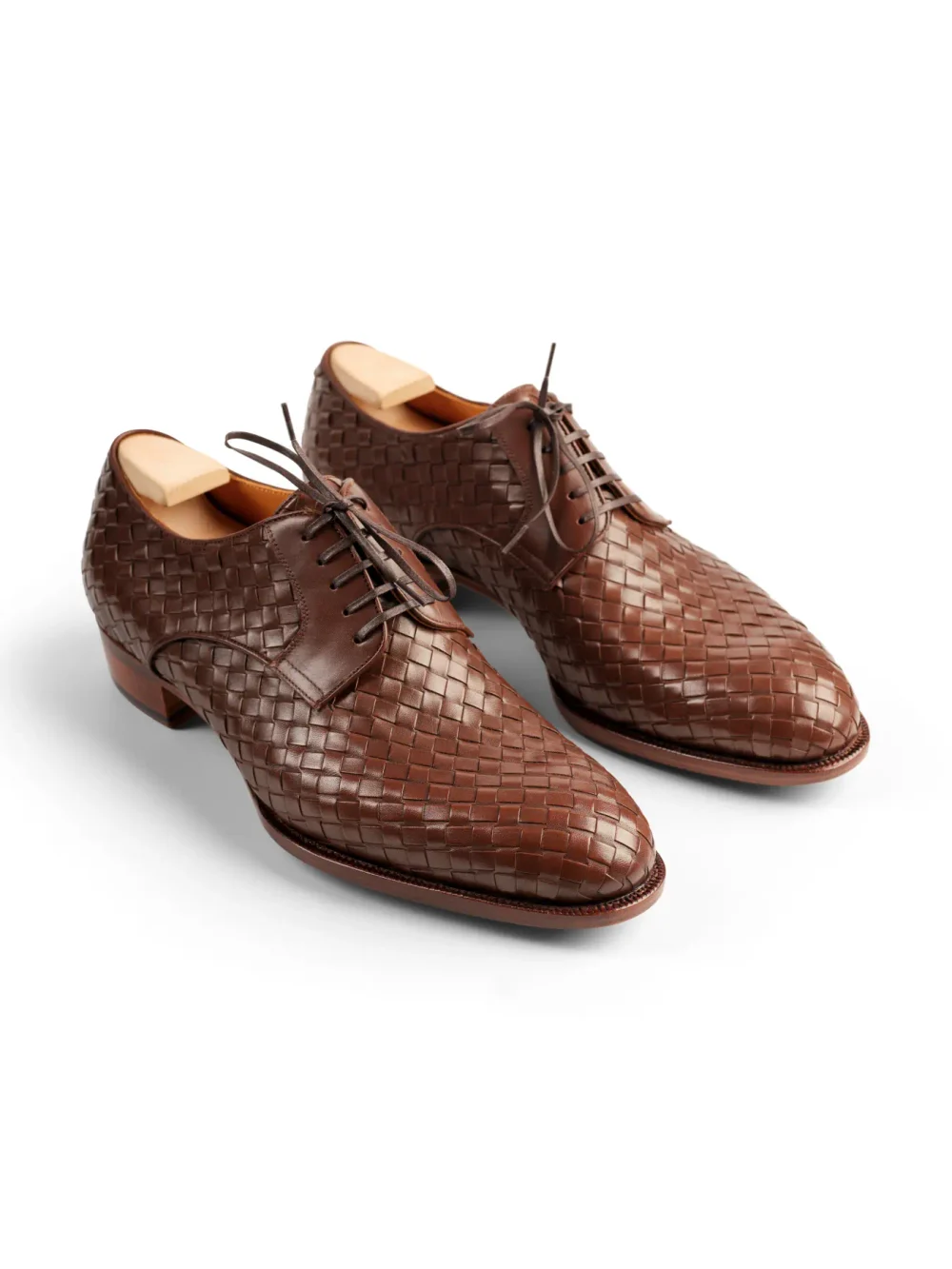
The Signature collection is perhaps the most interesting from a design perspective. Consisting of just three models — the Aeon Oxford, Cronos Chelsea boot, and Silentium chukka — it showcases a much more minimalist approach to upper construction.
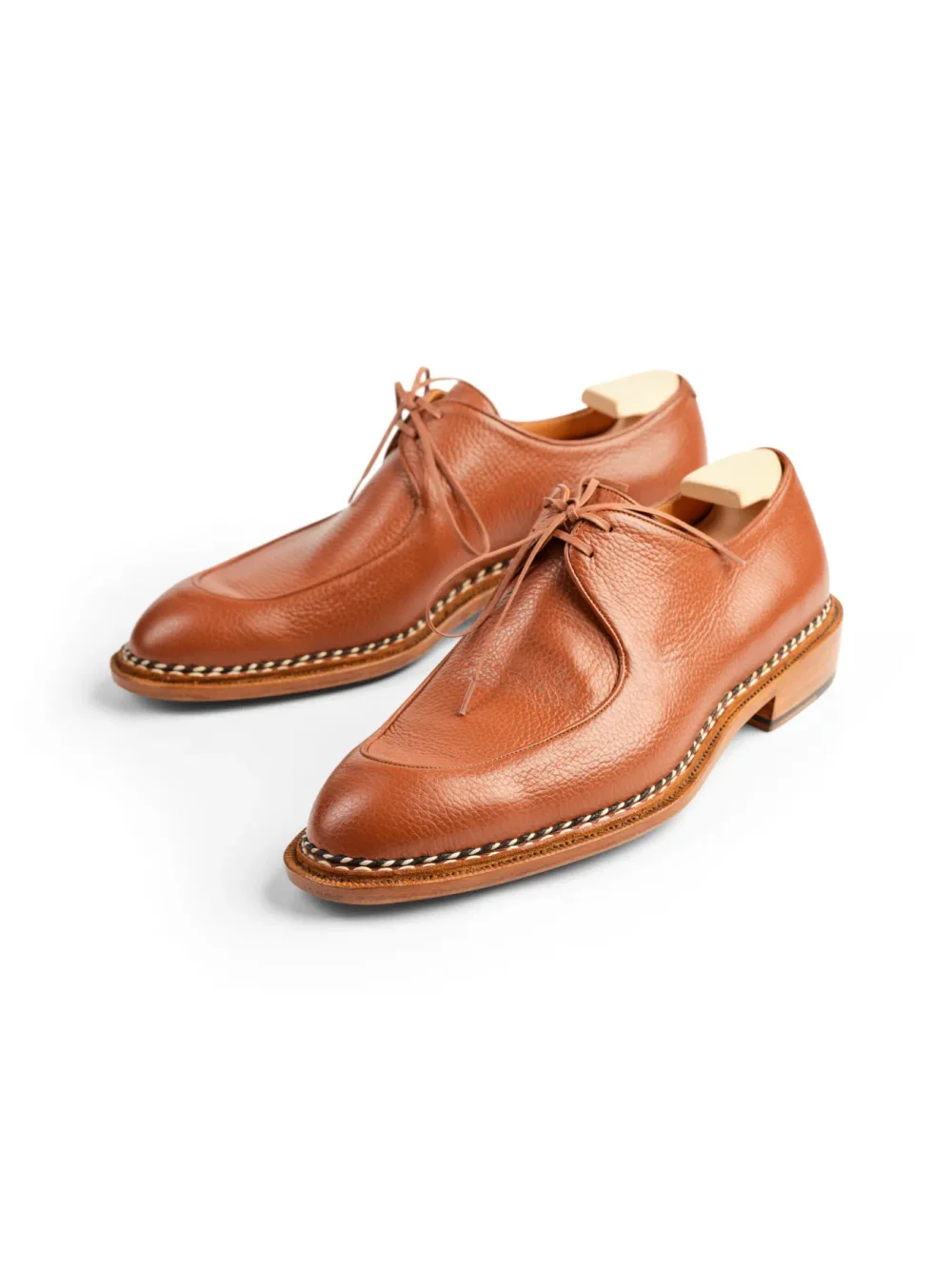
What makes these designs distinctive is the use of very few leather panels and the prominent seam work running along the center of the upper. The Aeon, for example, is made from a single piece of hand-patinated French crust leather, with a hand-stitched seam extending down the front toward the toe. The other two models use similarly clean, two-piece upper designs.
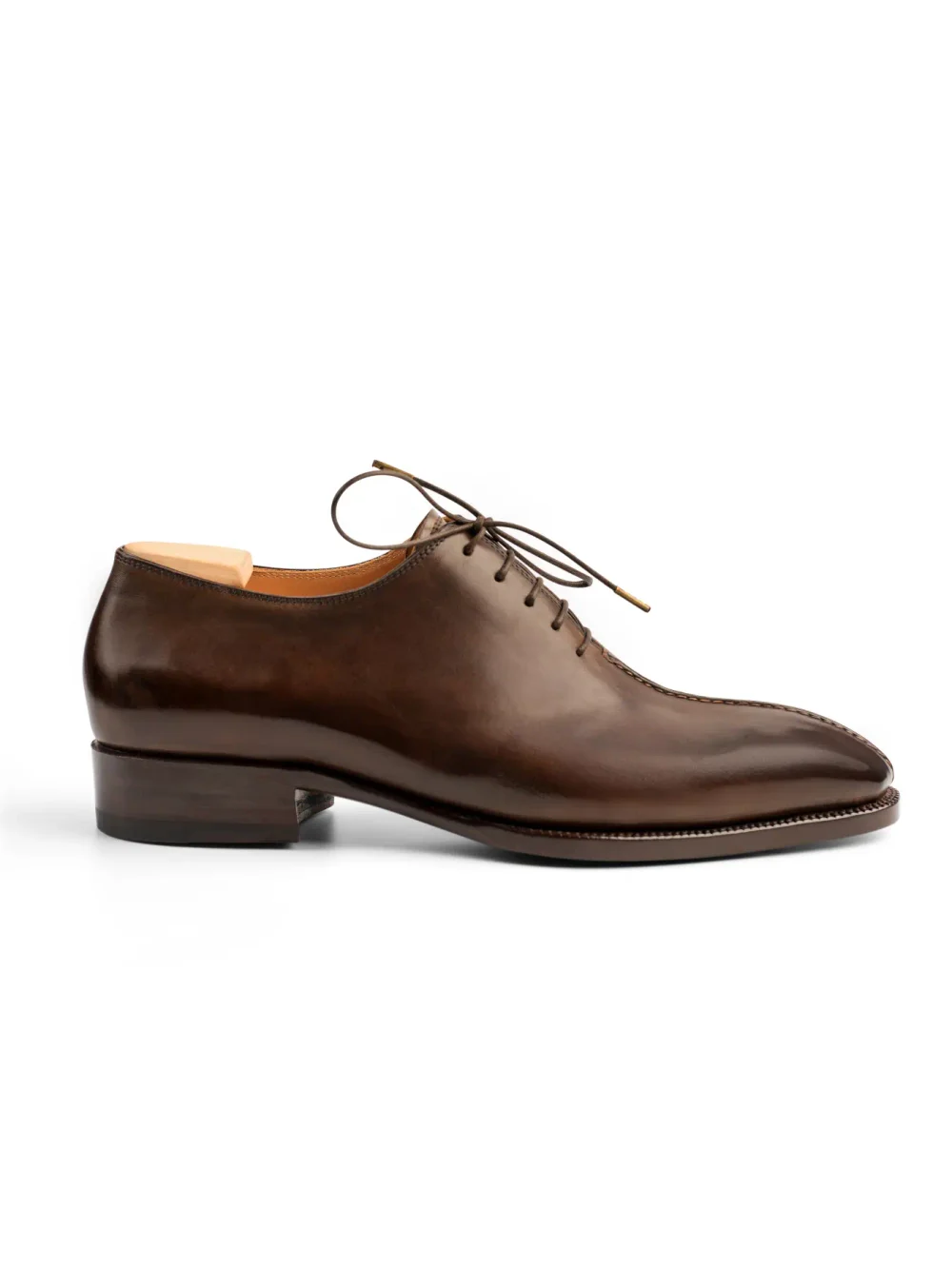
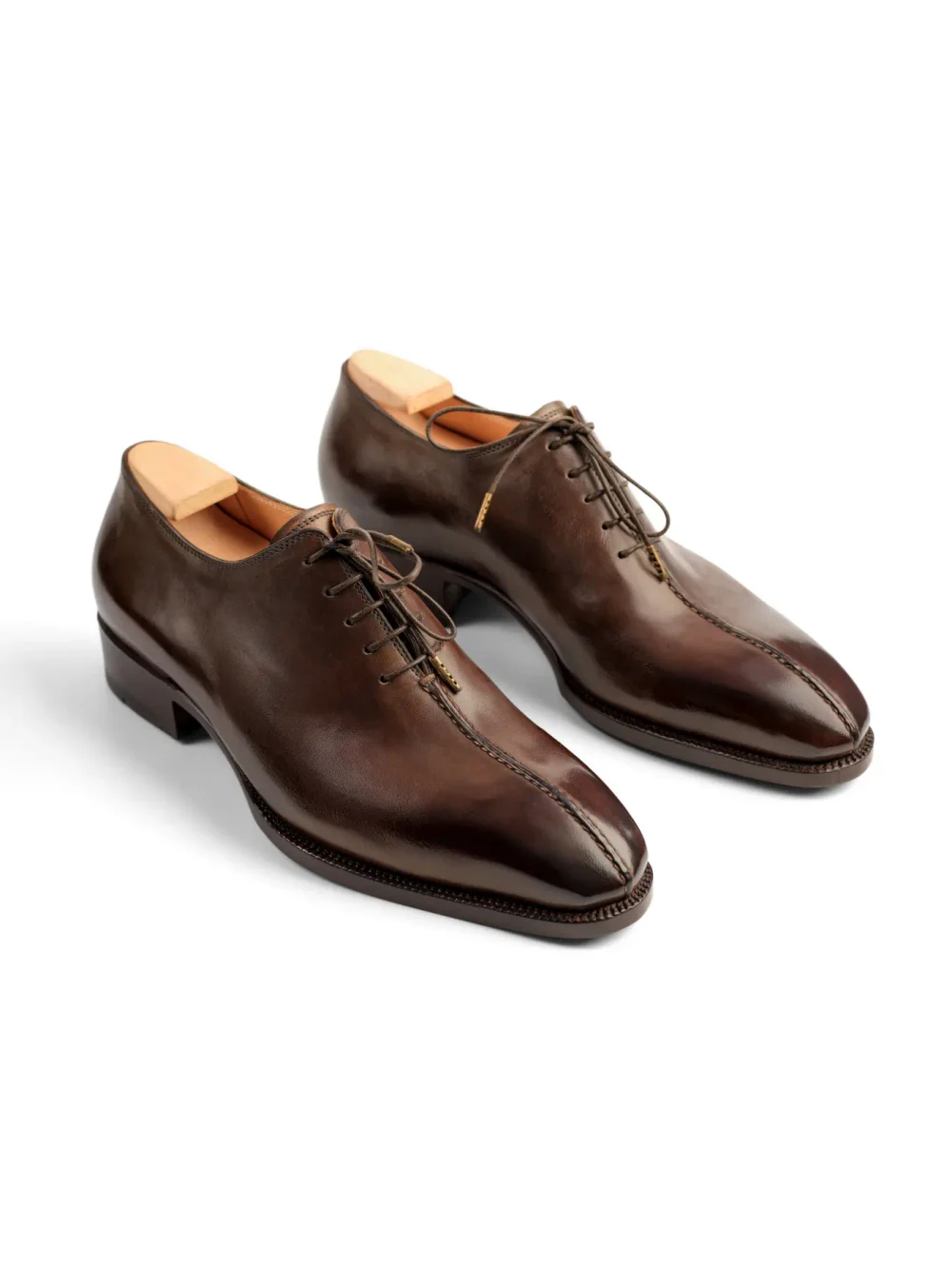
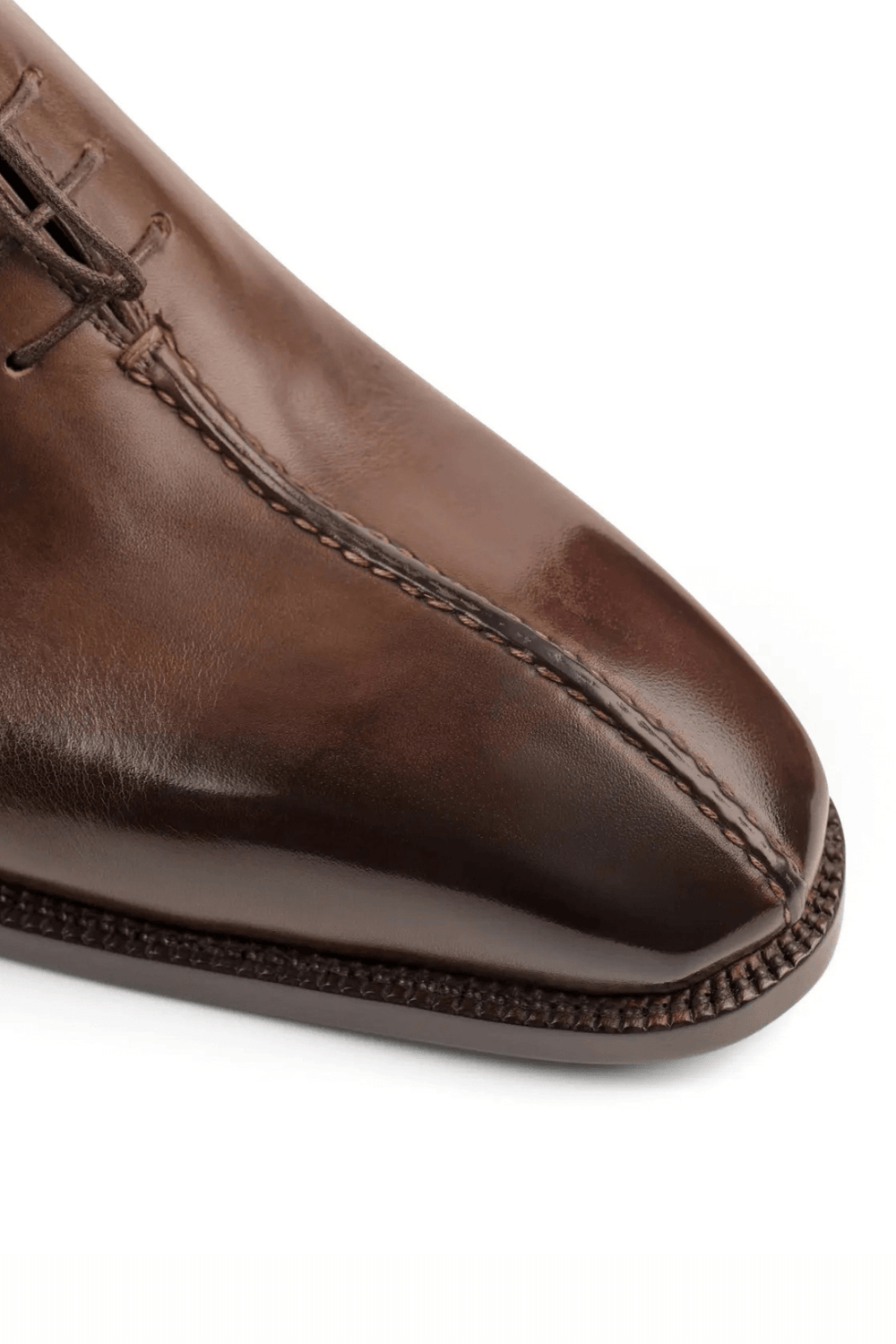
It is a rather unusual style that you do not see very often, especially in traditionally handmade footwear. The lack of conventional panels and decorative stitching puts much greater emphasis on the leather, the shaping, and the execution of the seams themselves. A mess-up in stitching or lasting can easily make this a tricky model to produce, likely hence the higher price tag.
Construction includes hand-lasting, hand-welting, hand-sewn uppers, hand-shaped leather stiffeners, and layered leather heels. The Cronos also features a distinctive hand-sculpted hourglass heel, which the brand highlights as an important design element.
Pricing ranges from €2,400 to €2,500, making Signature the most expensive collection. Given the unusual patterns and additional handwork involved, it will be interesting to see whether Petru Claymoor expands this particular design concept in the future.
The Legacy Collection – A Return to the Classics
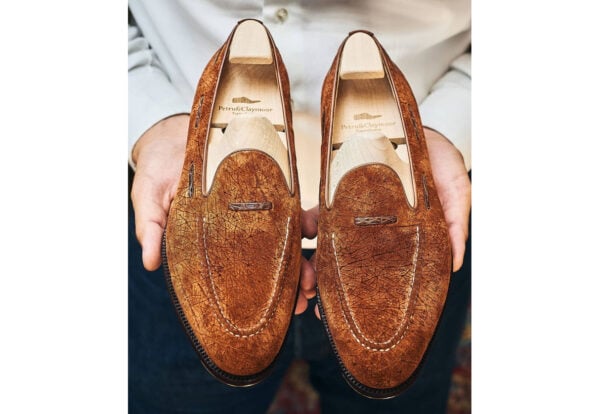
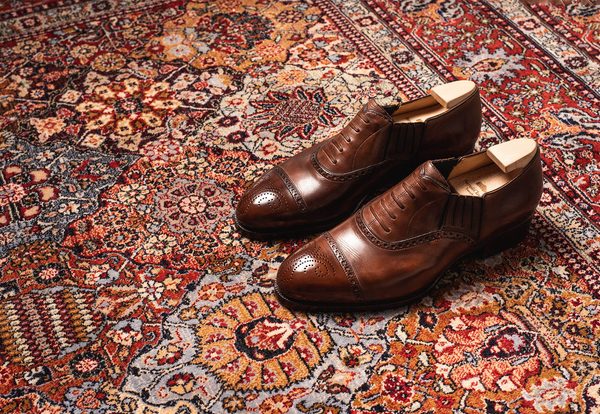
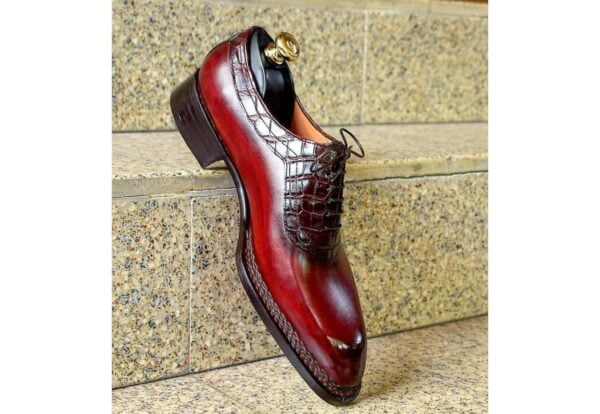
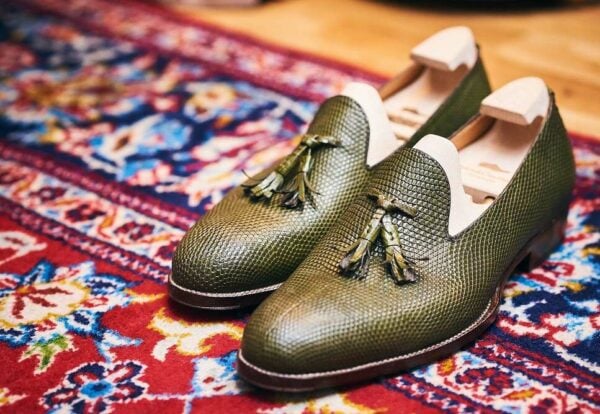
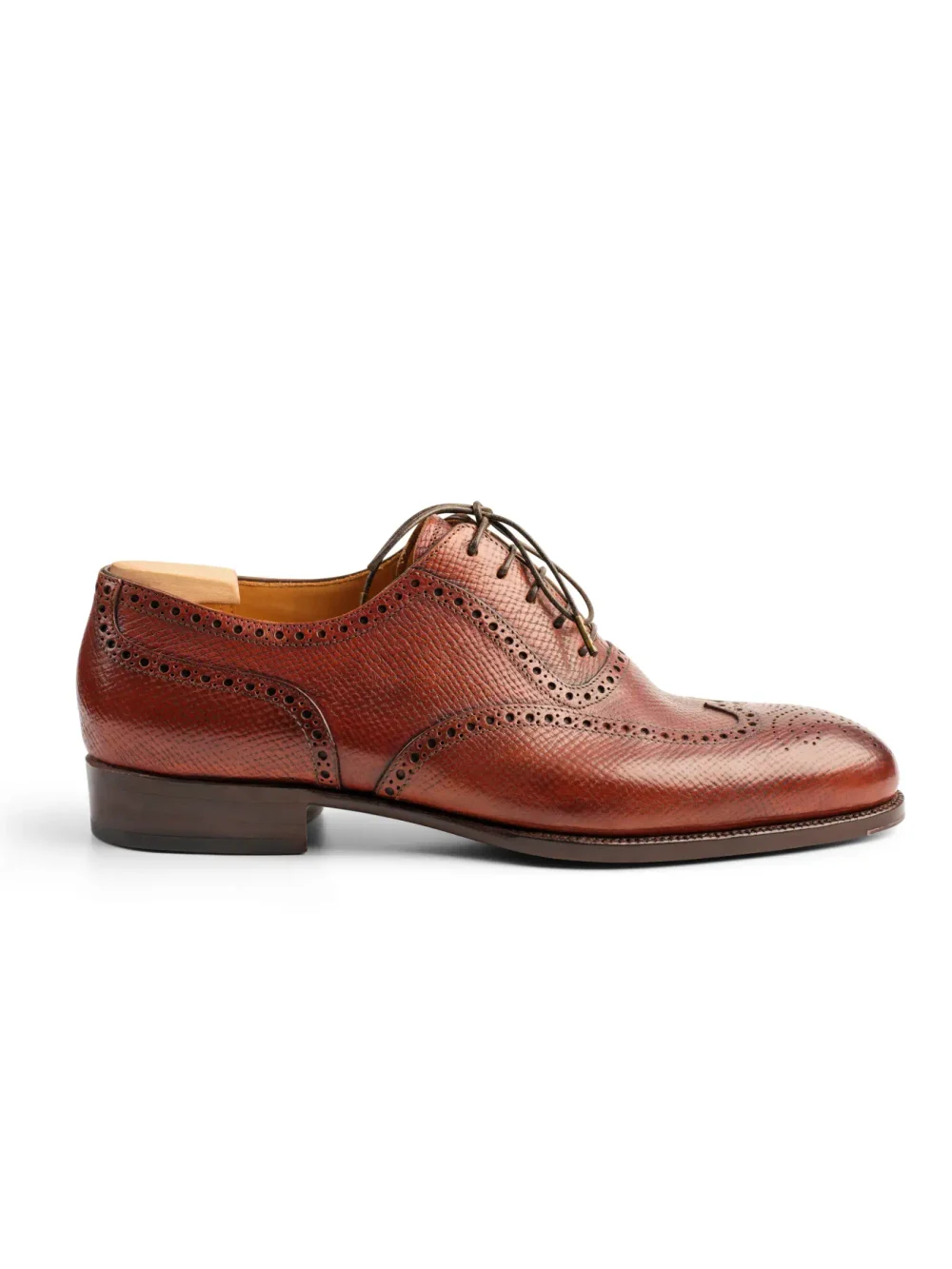
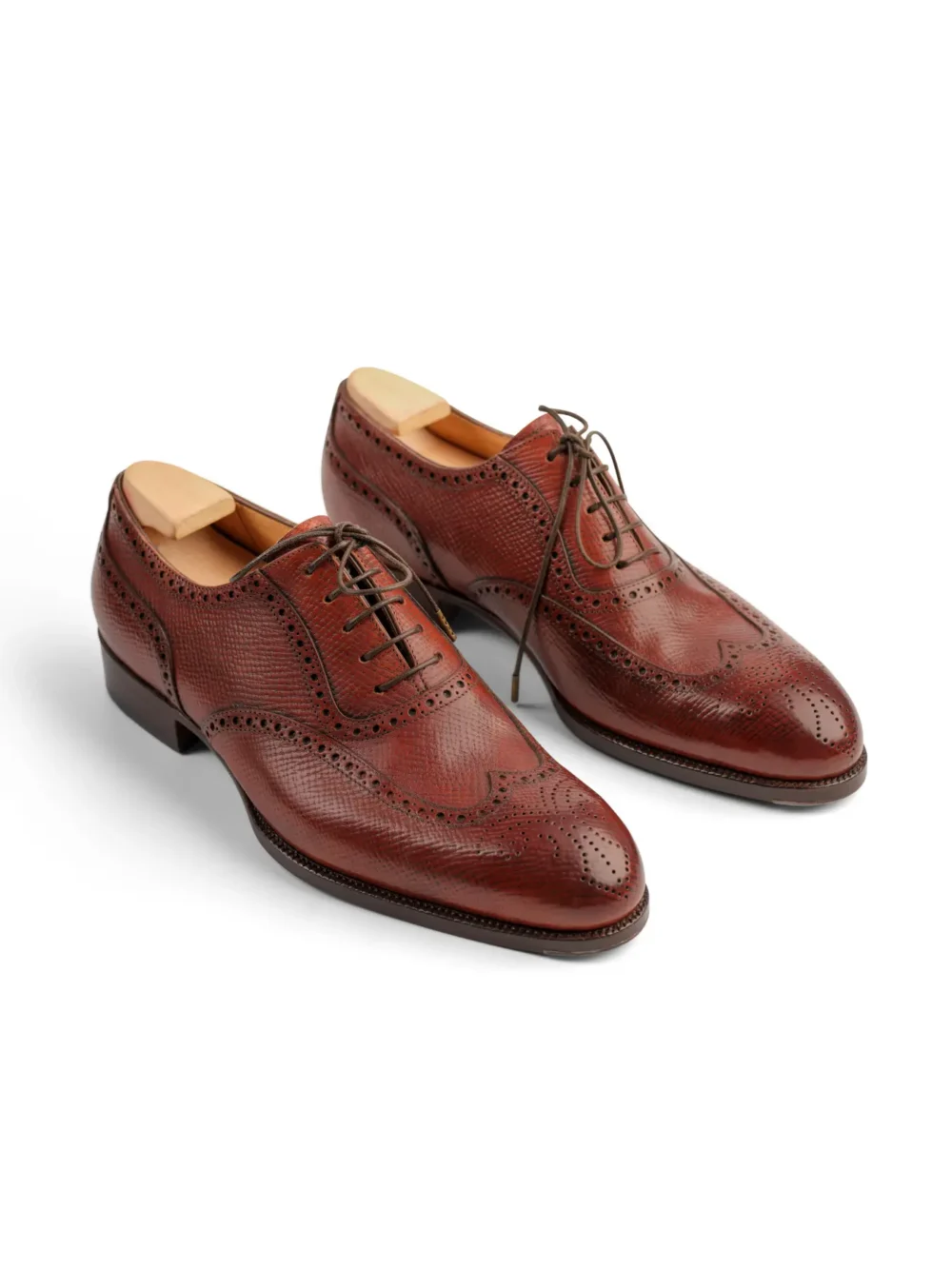
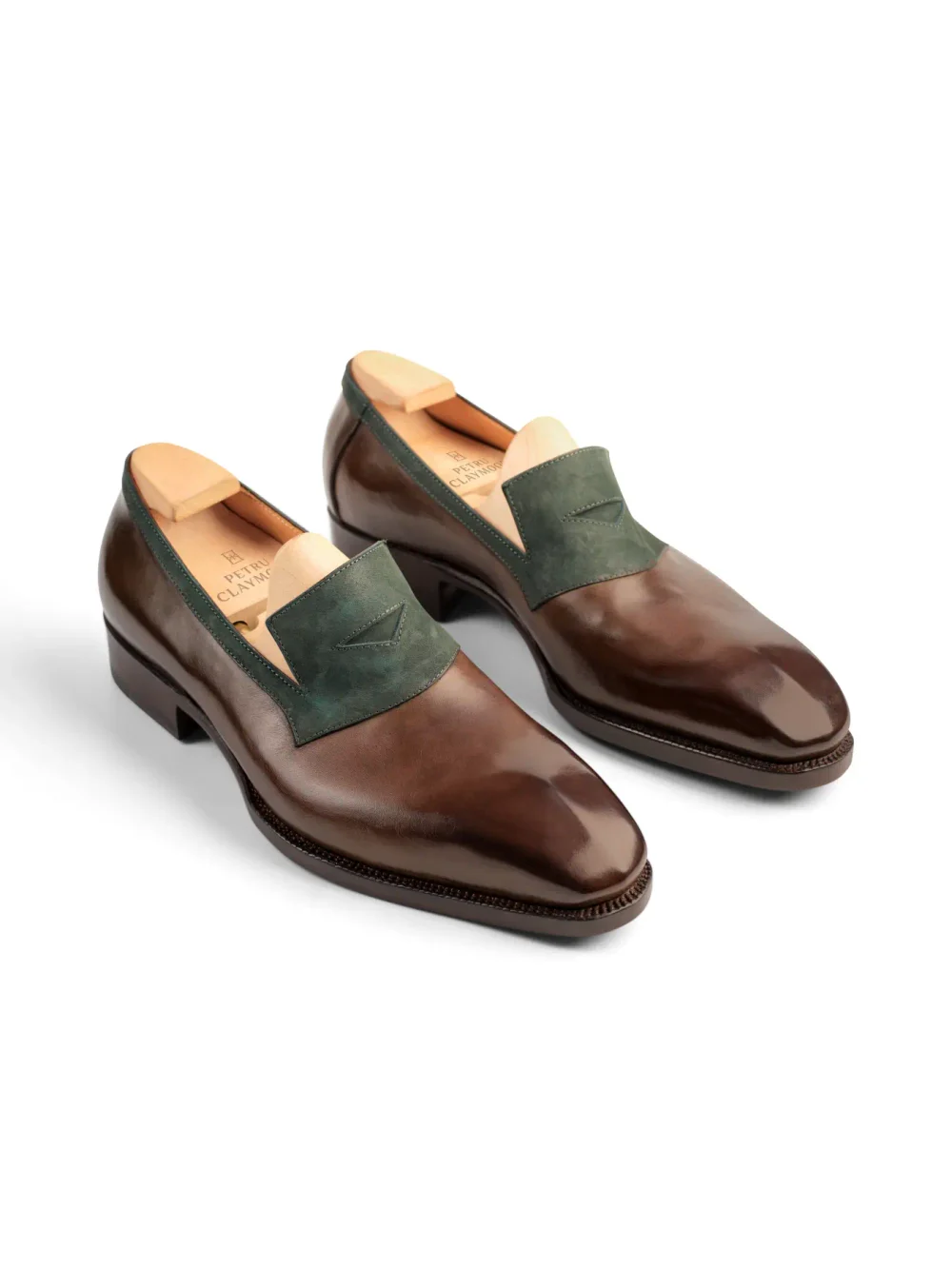
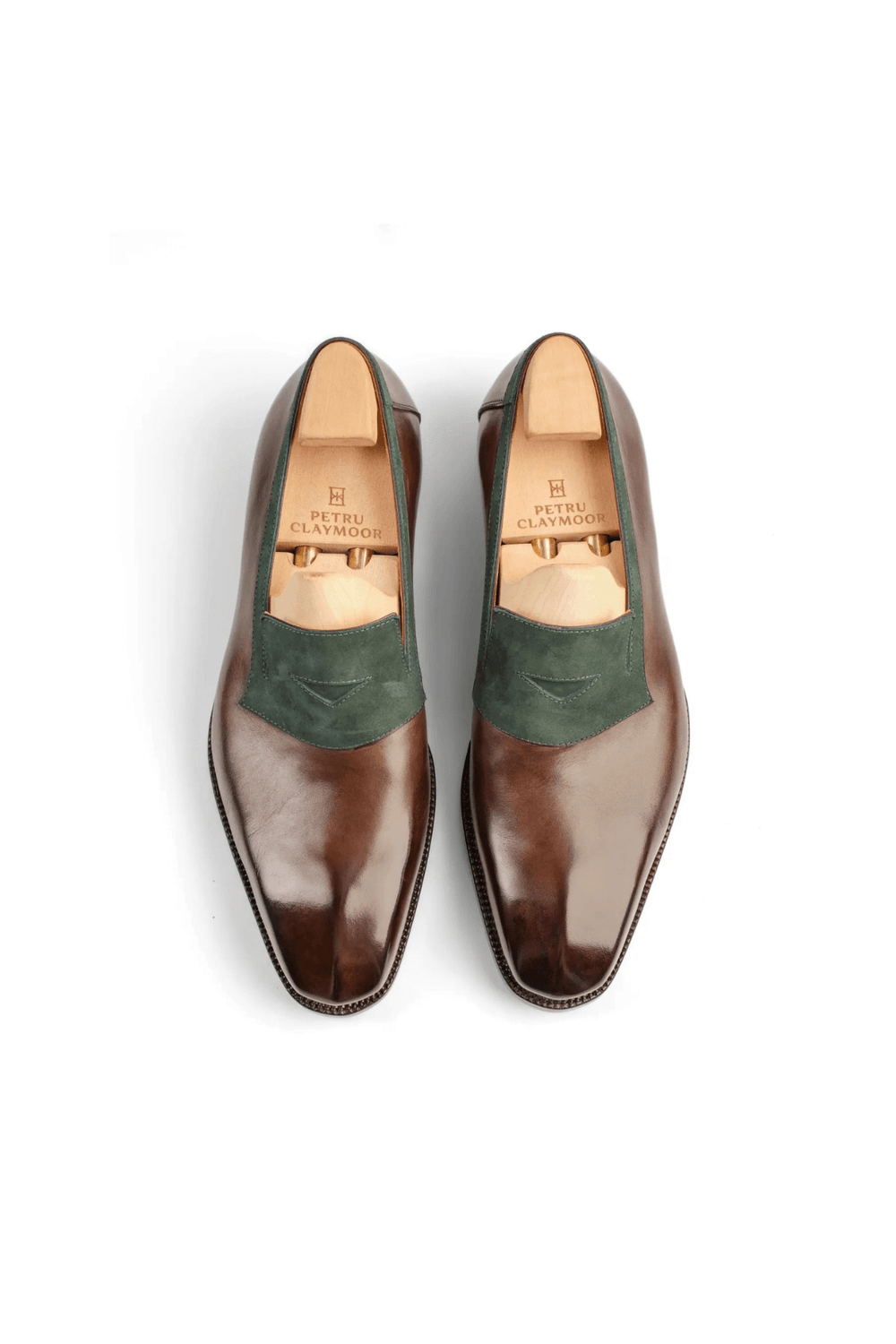
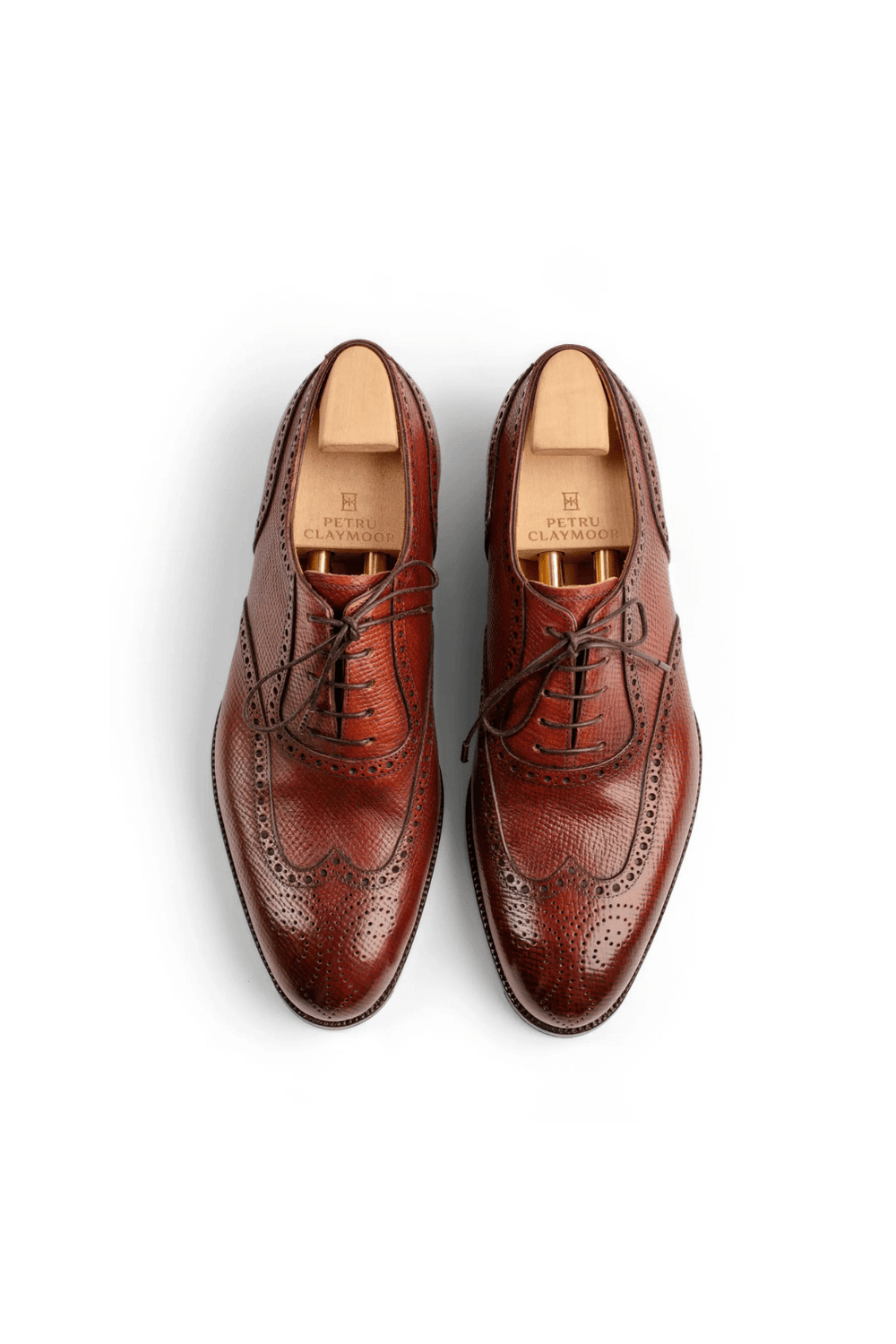
The Legacy collection takes a more traditional approach, offering a range of familiar styles, including wingtip Oxfords, wholecuts, and other classic patterns. There are also some interesting leather choices, including Horween Traditional Russian Leather, J&FJ Baker Russian Leather, hand-patinated French leather, and even alligator.
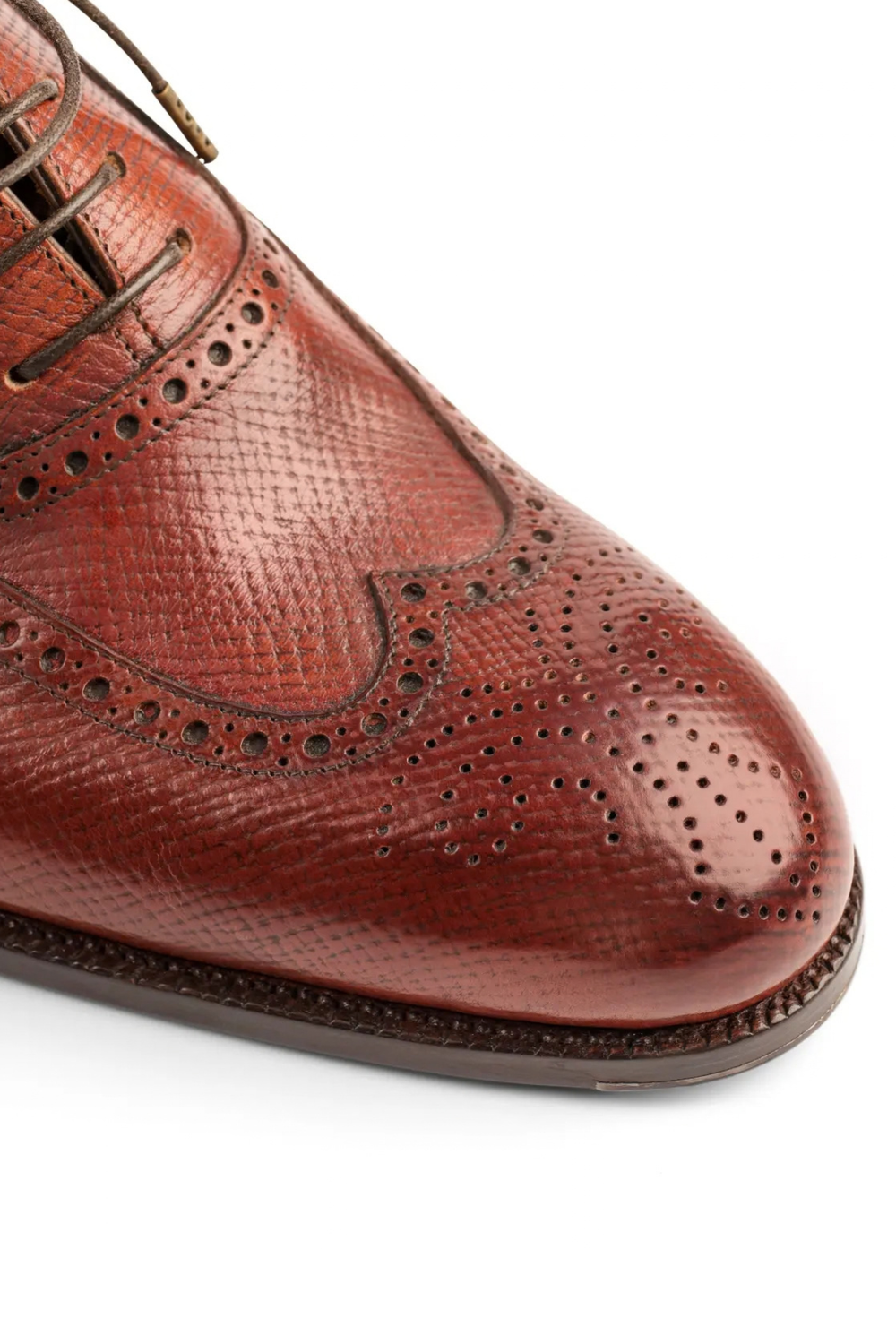
Unlike the more adventurous Essentials collection, Legacy focuses primarily on classic designs, albeit with a few unique details that give certain models their own character. The Bran, for example, features elaborate broguing, while the Nocturne offers a much cleaner wholecut design.
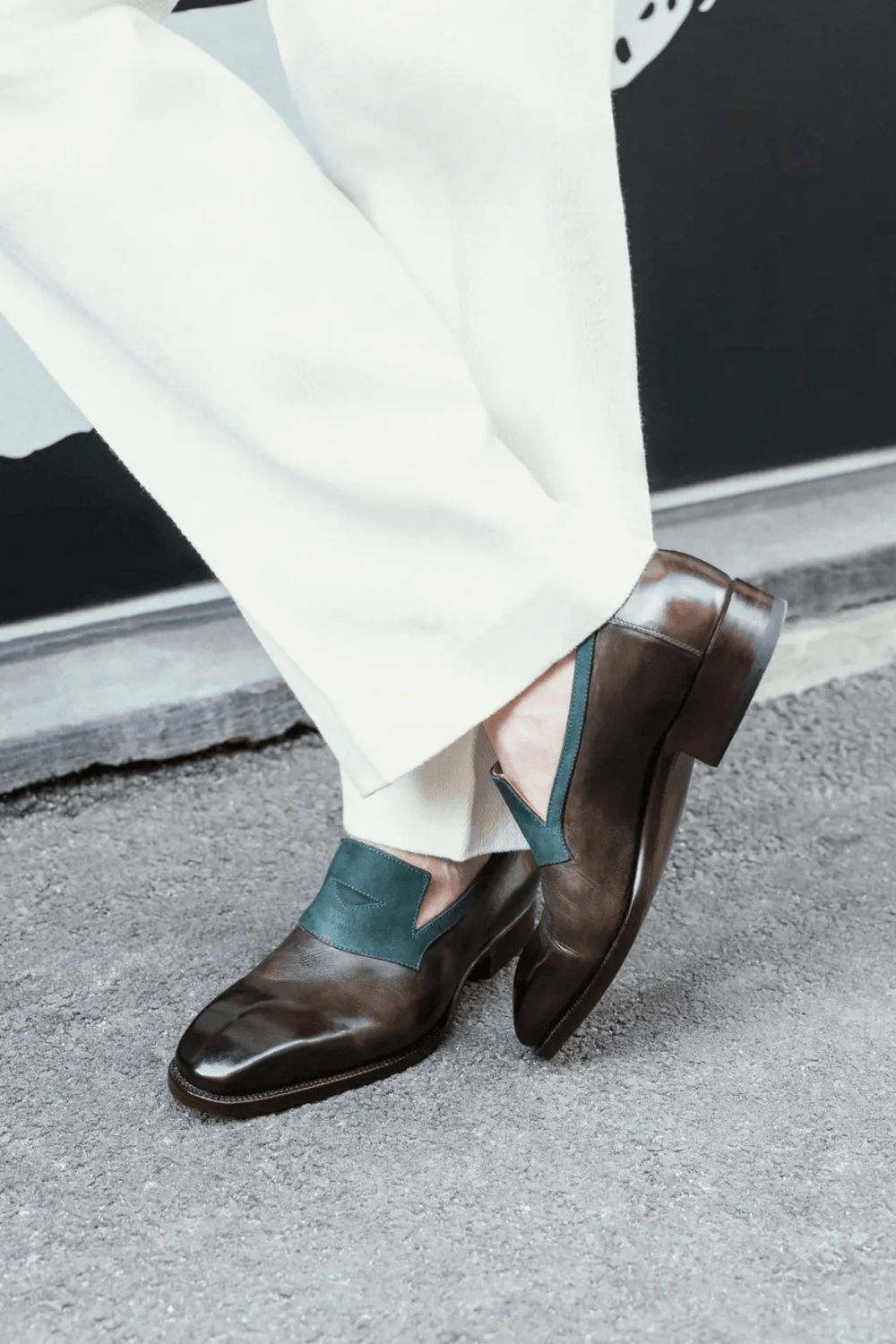
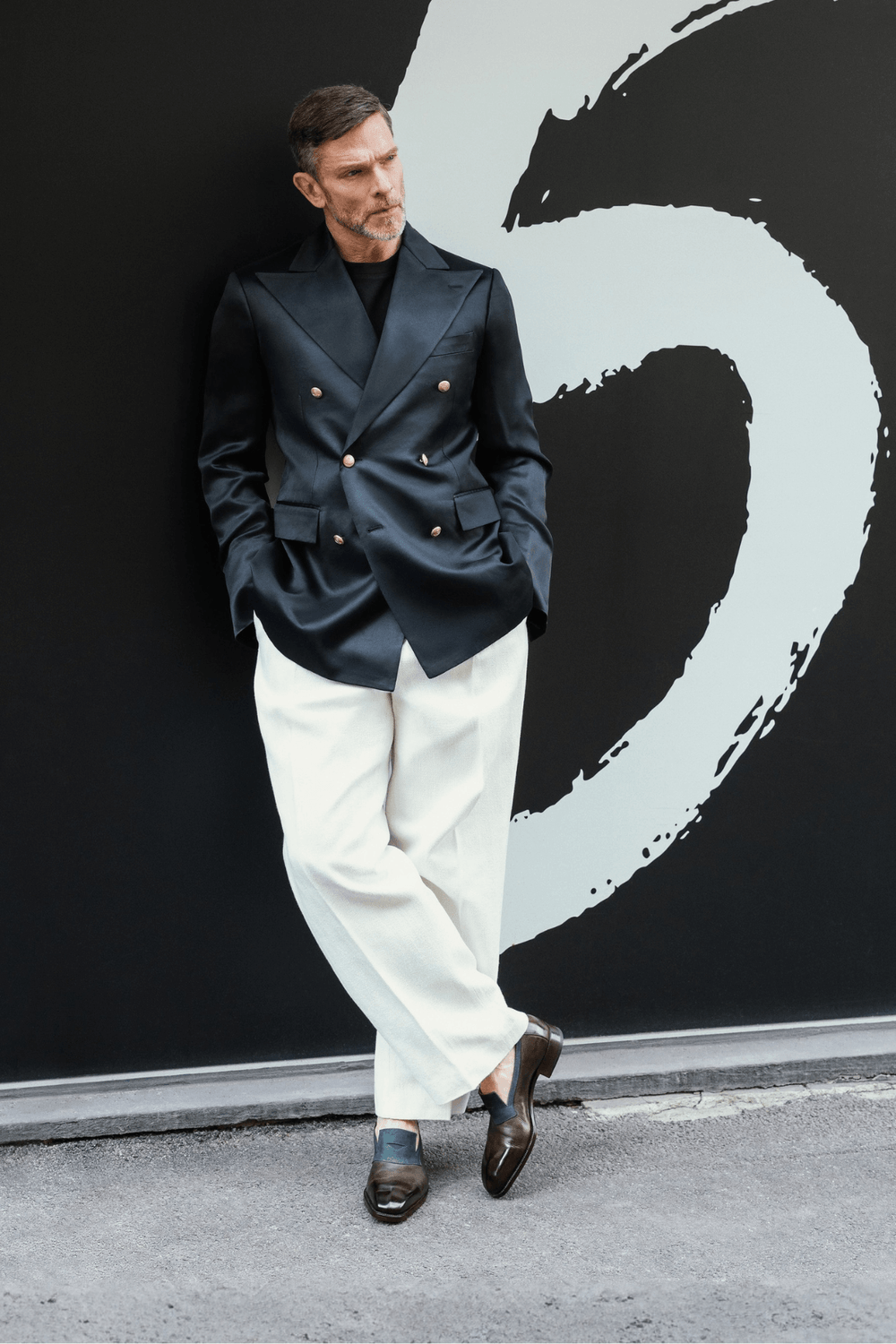
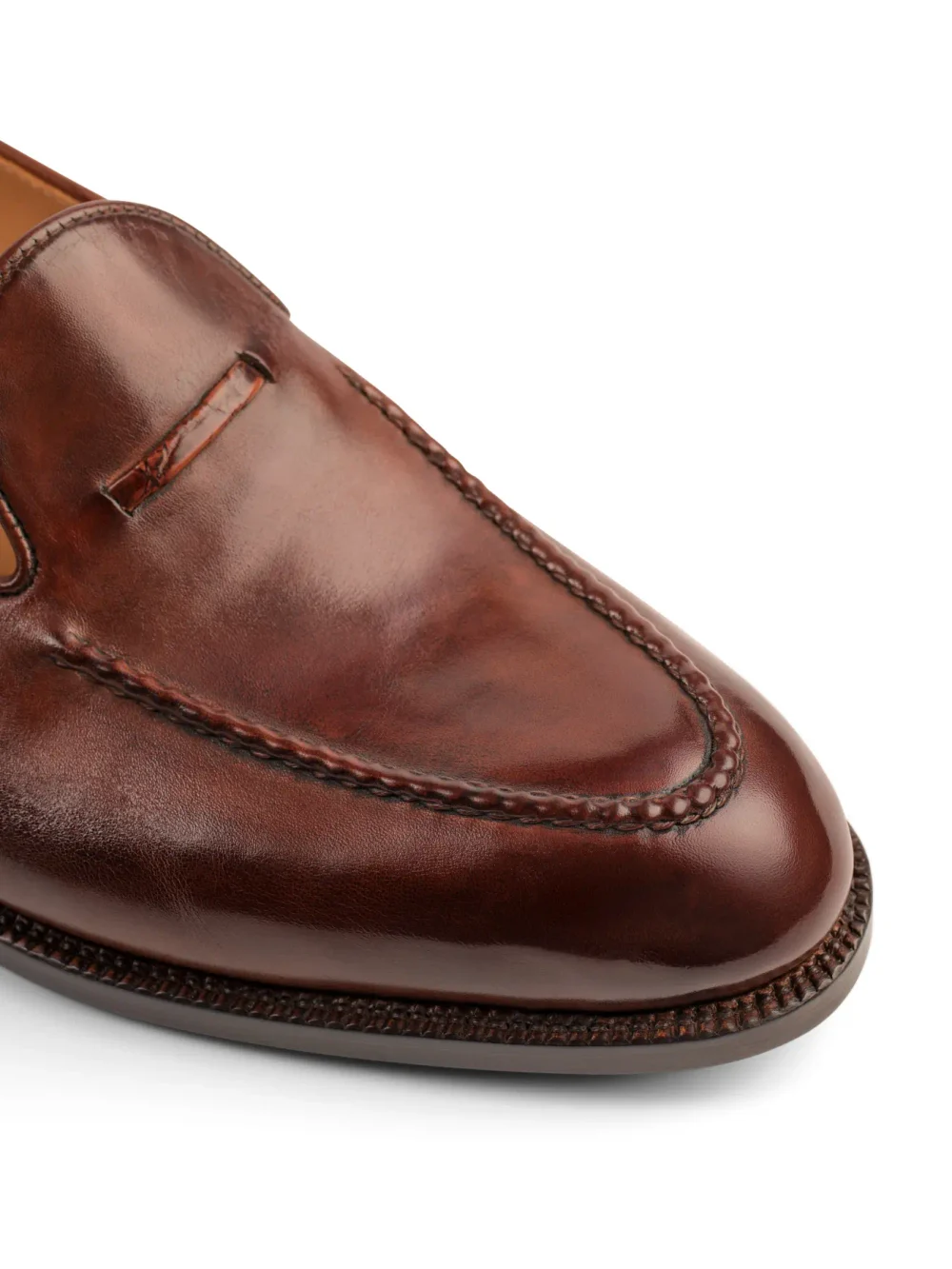
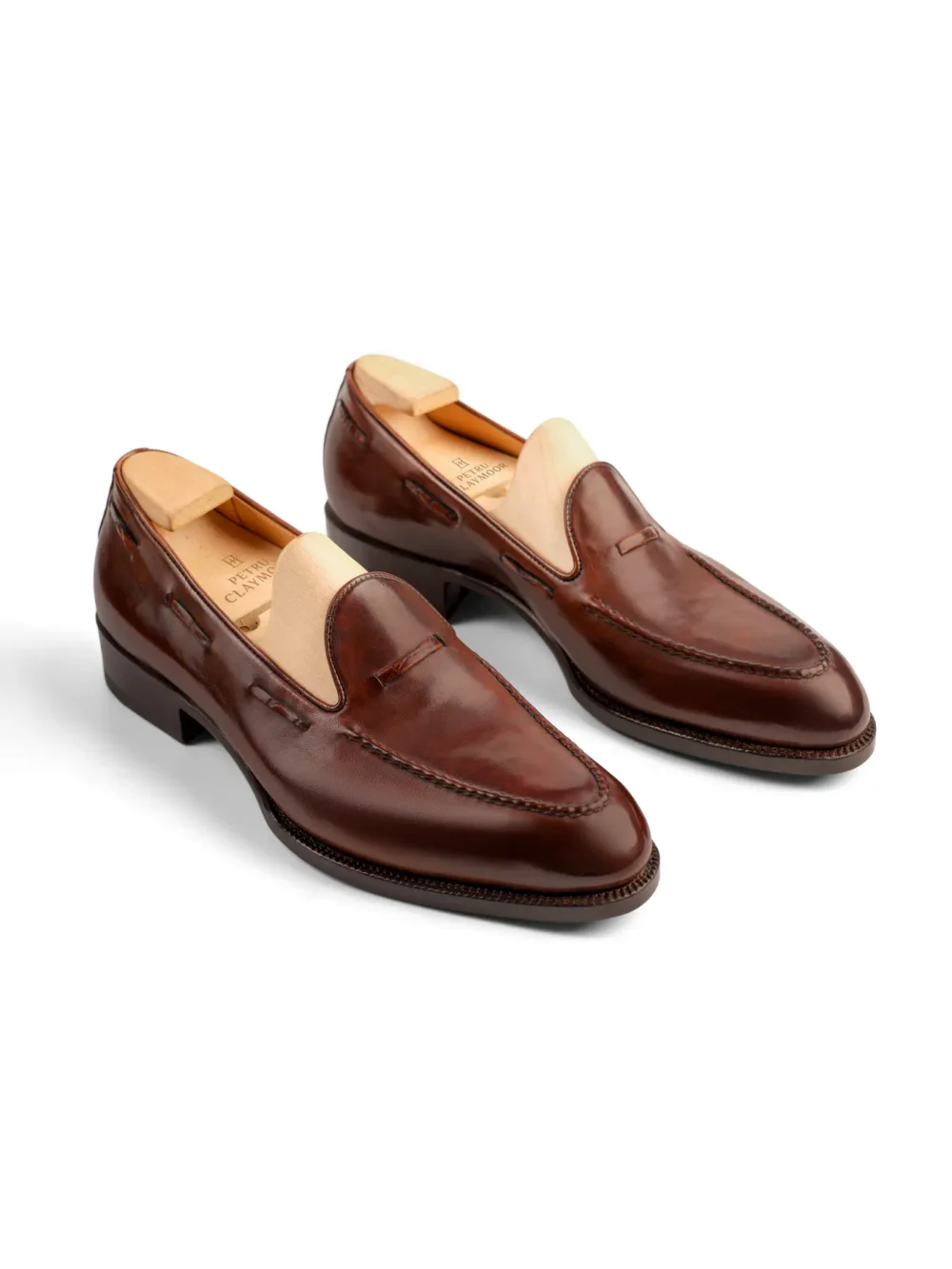
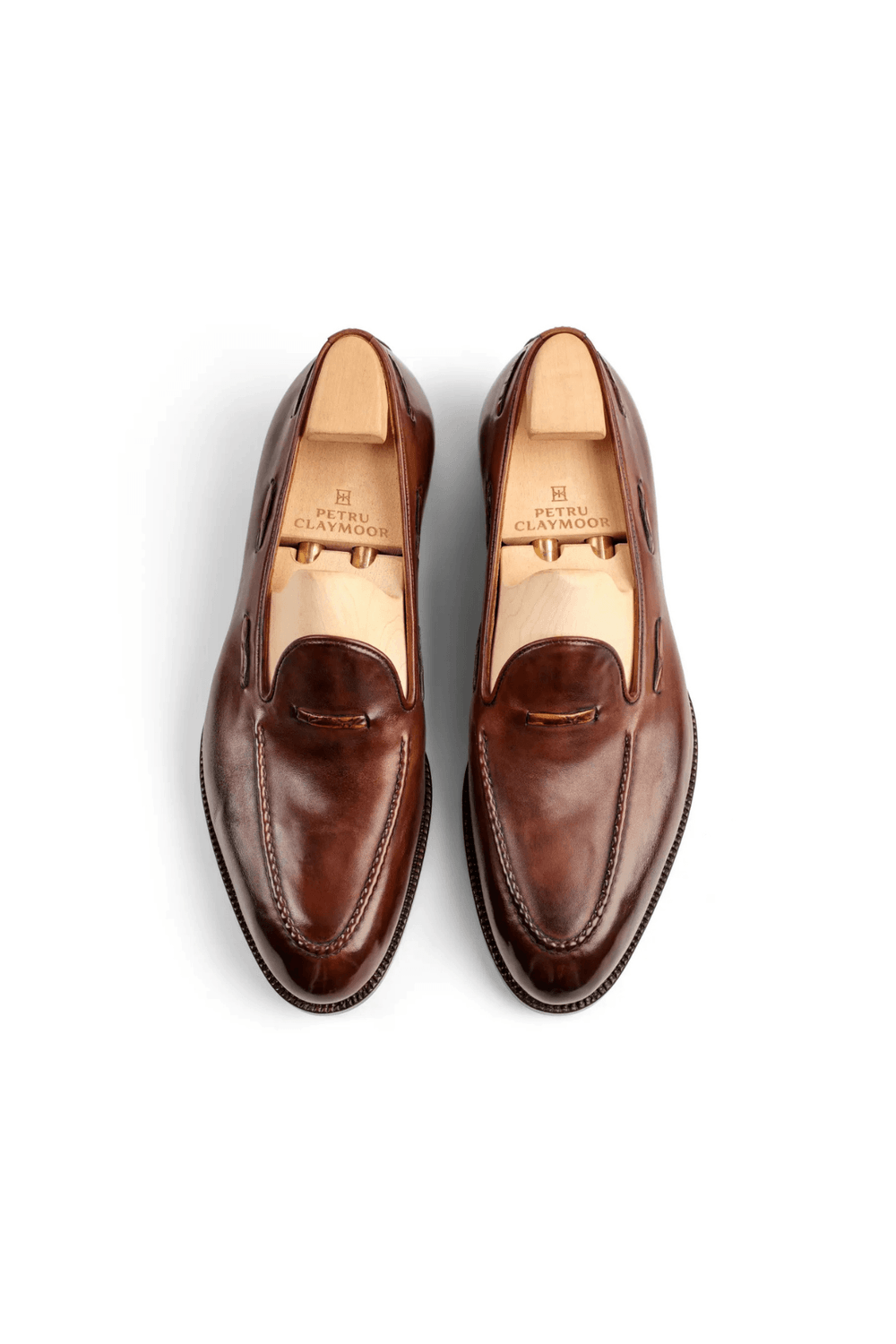
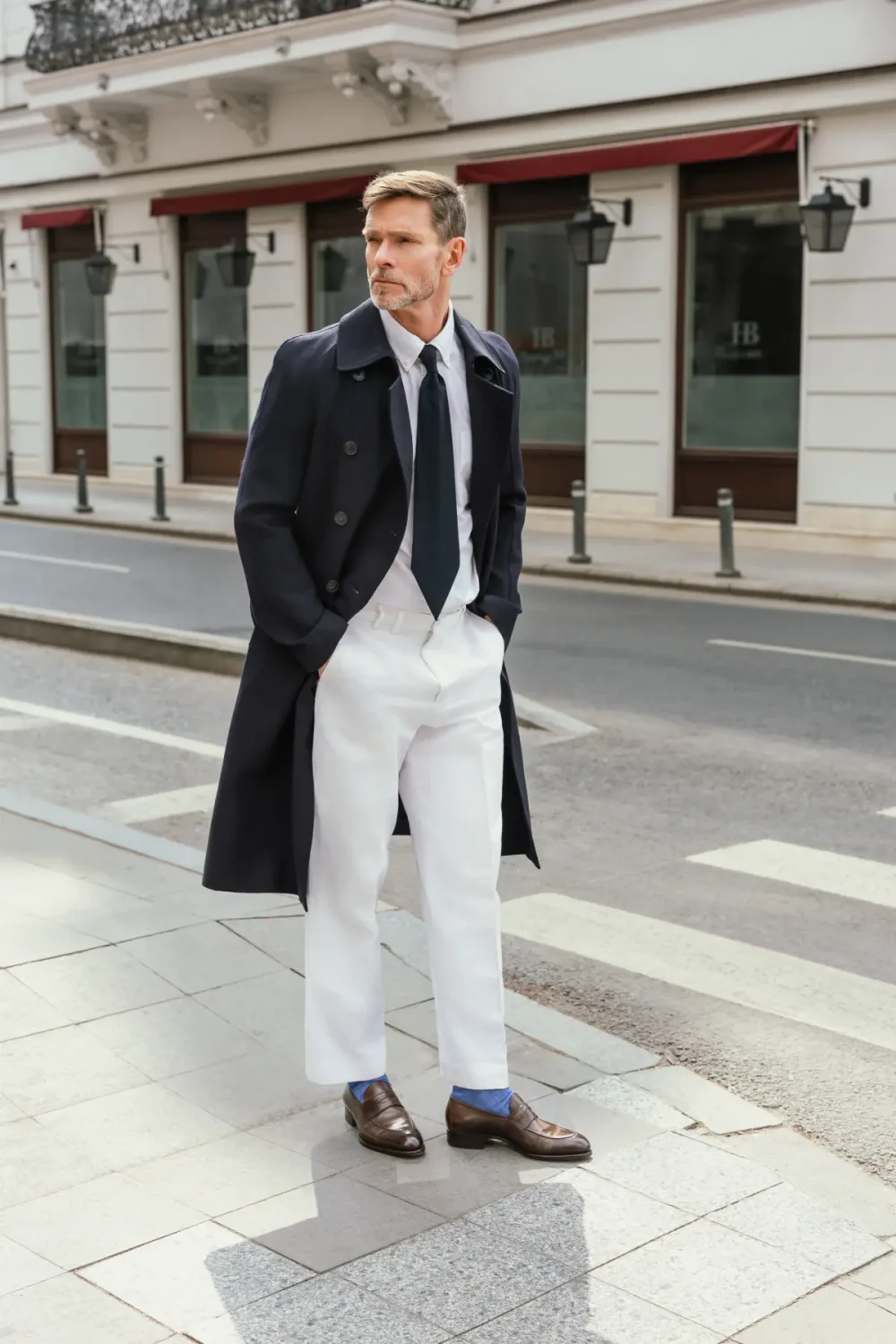
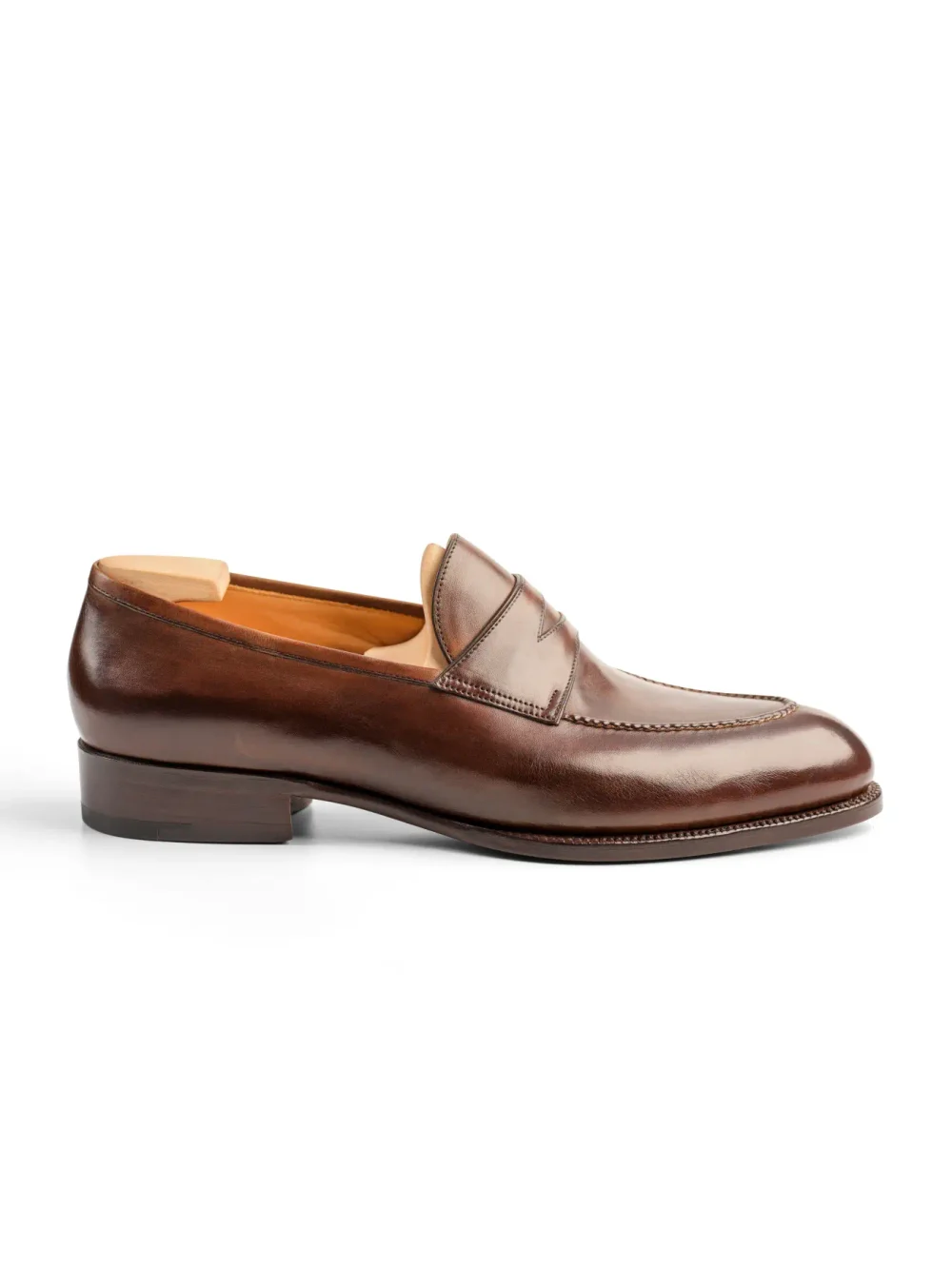
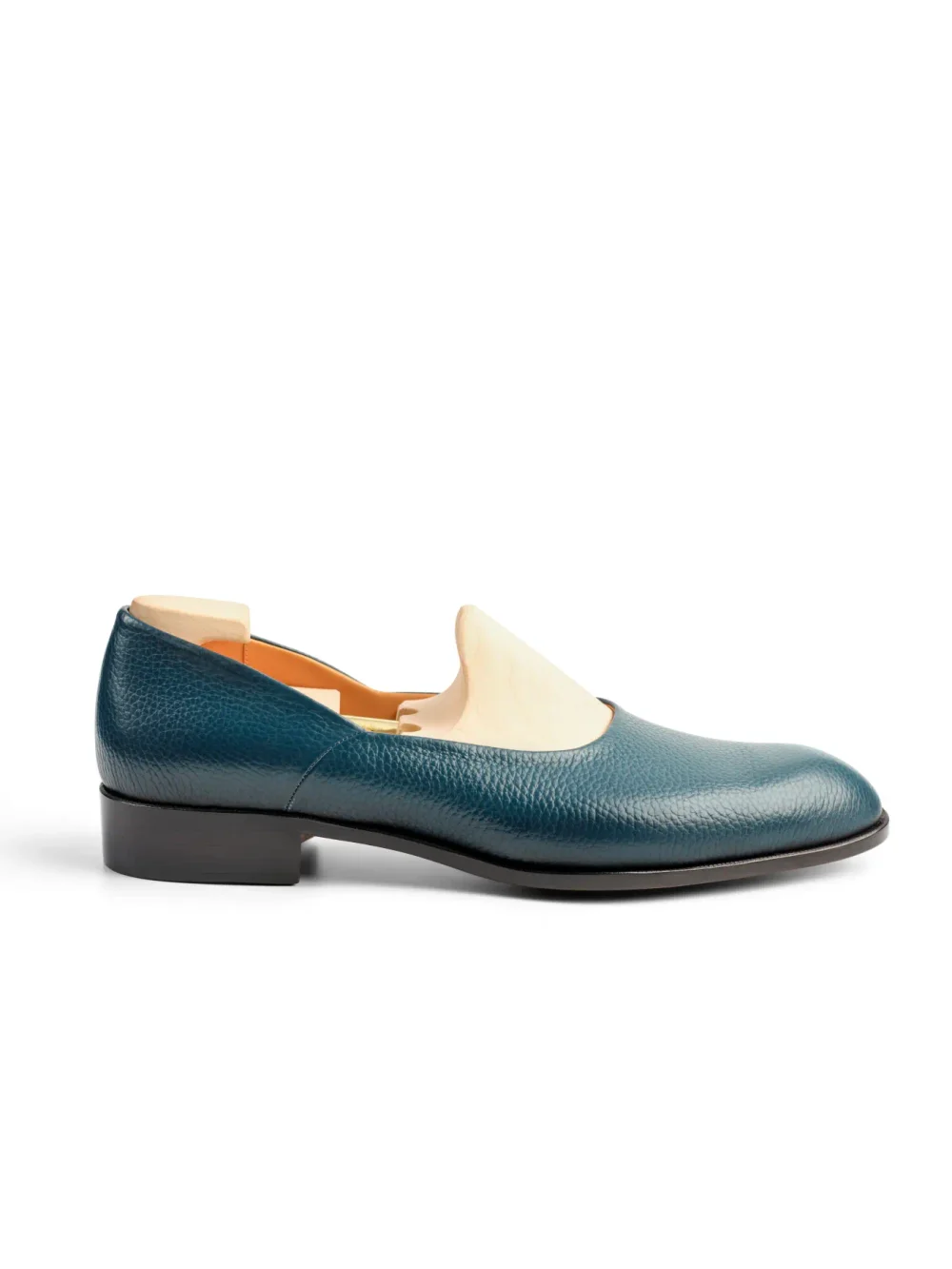
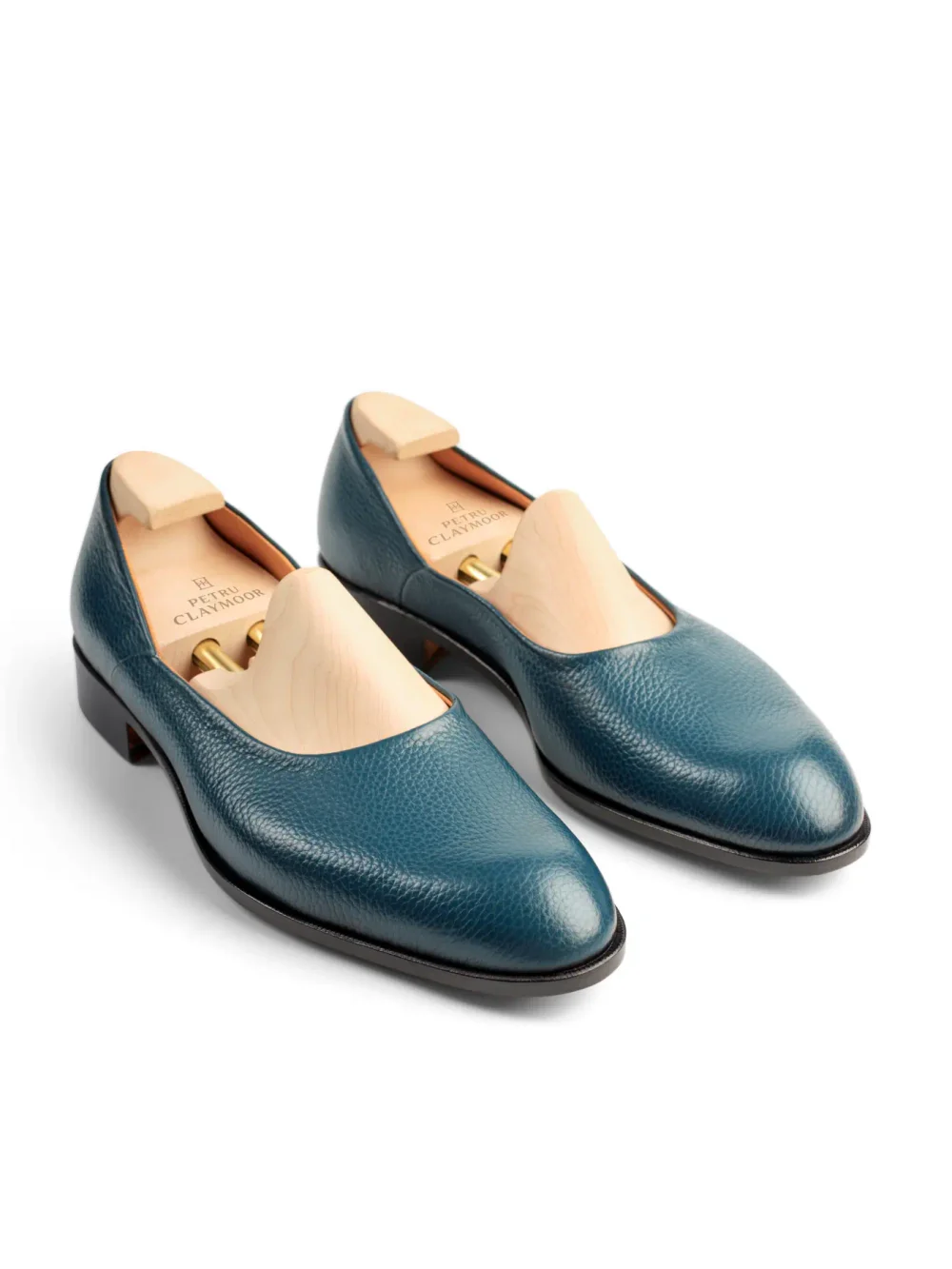
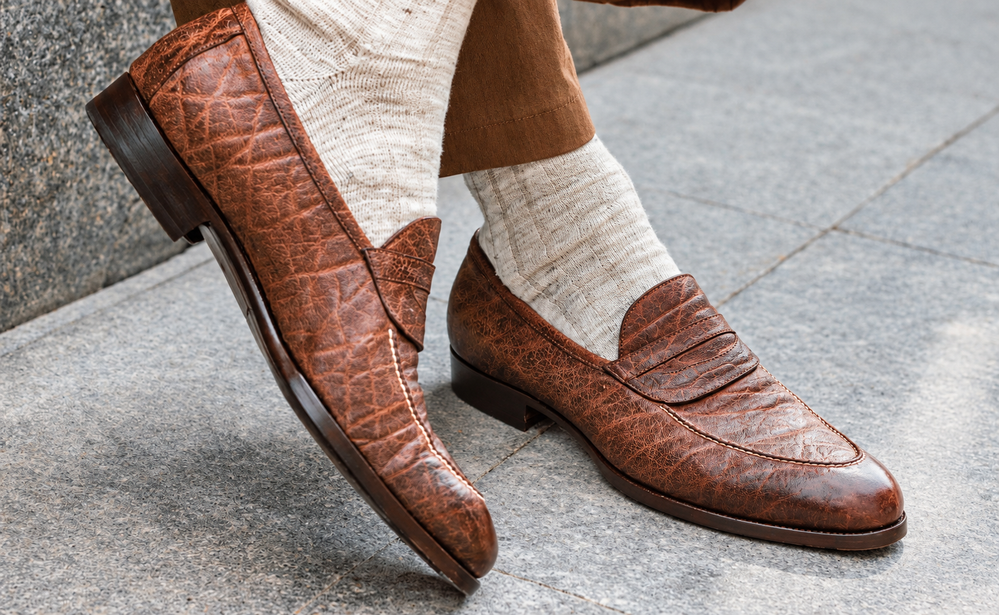
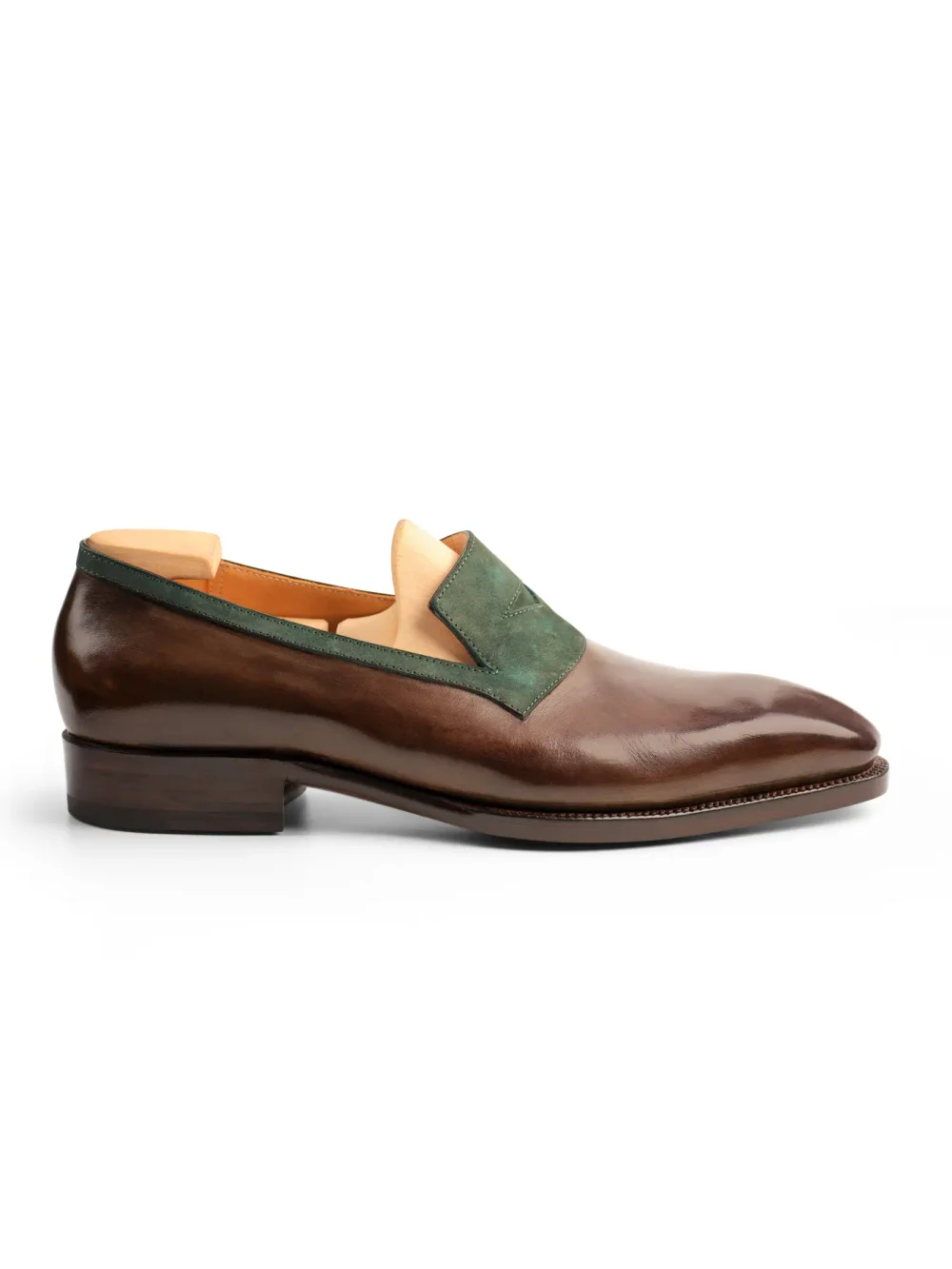
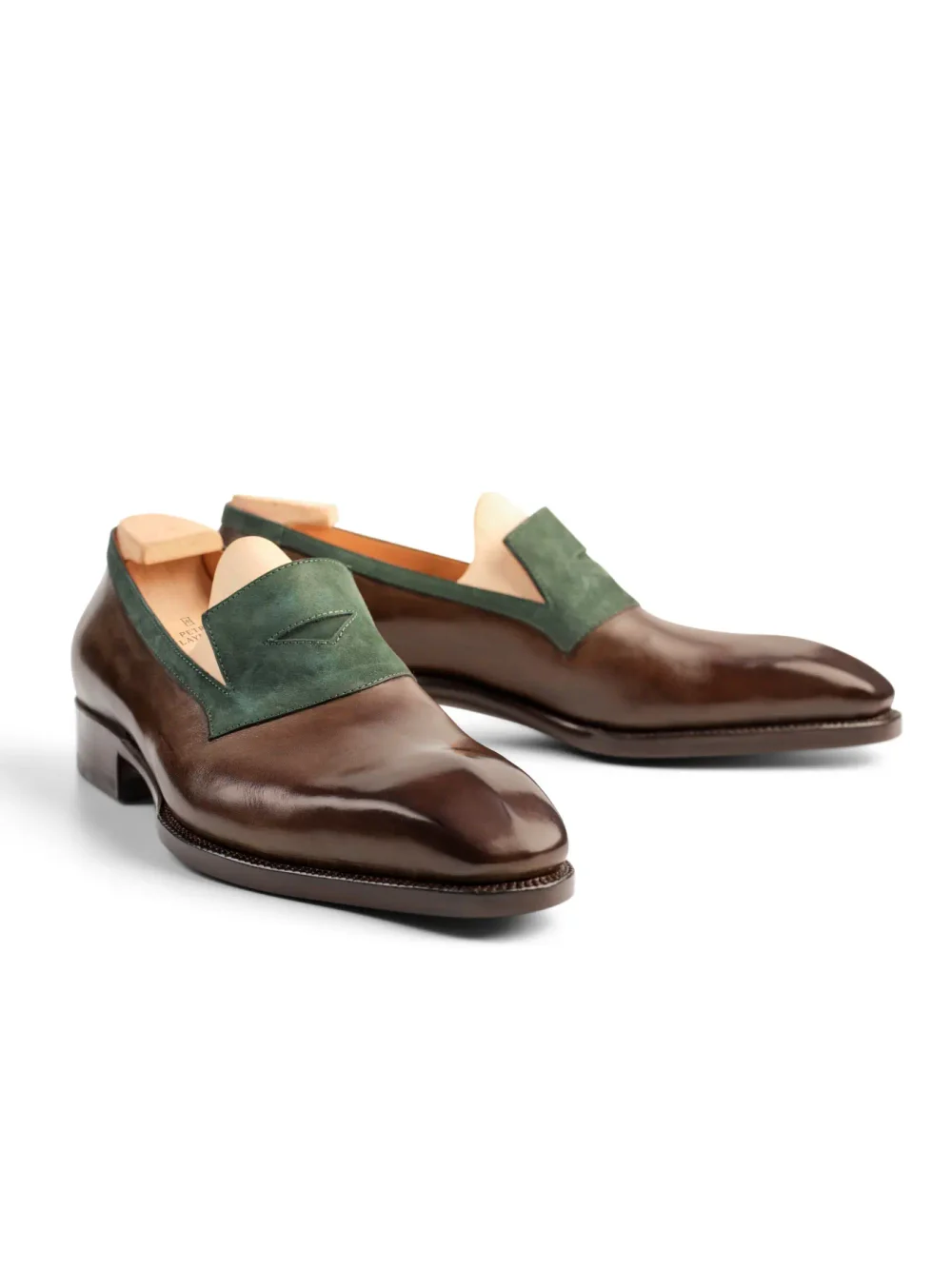
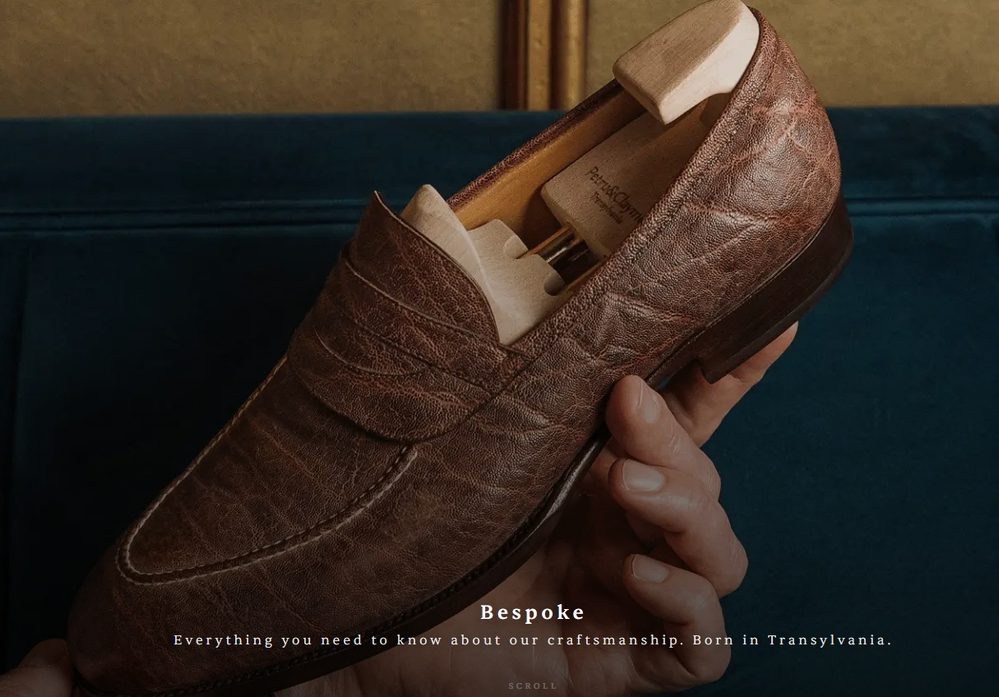
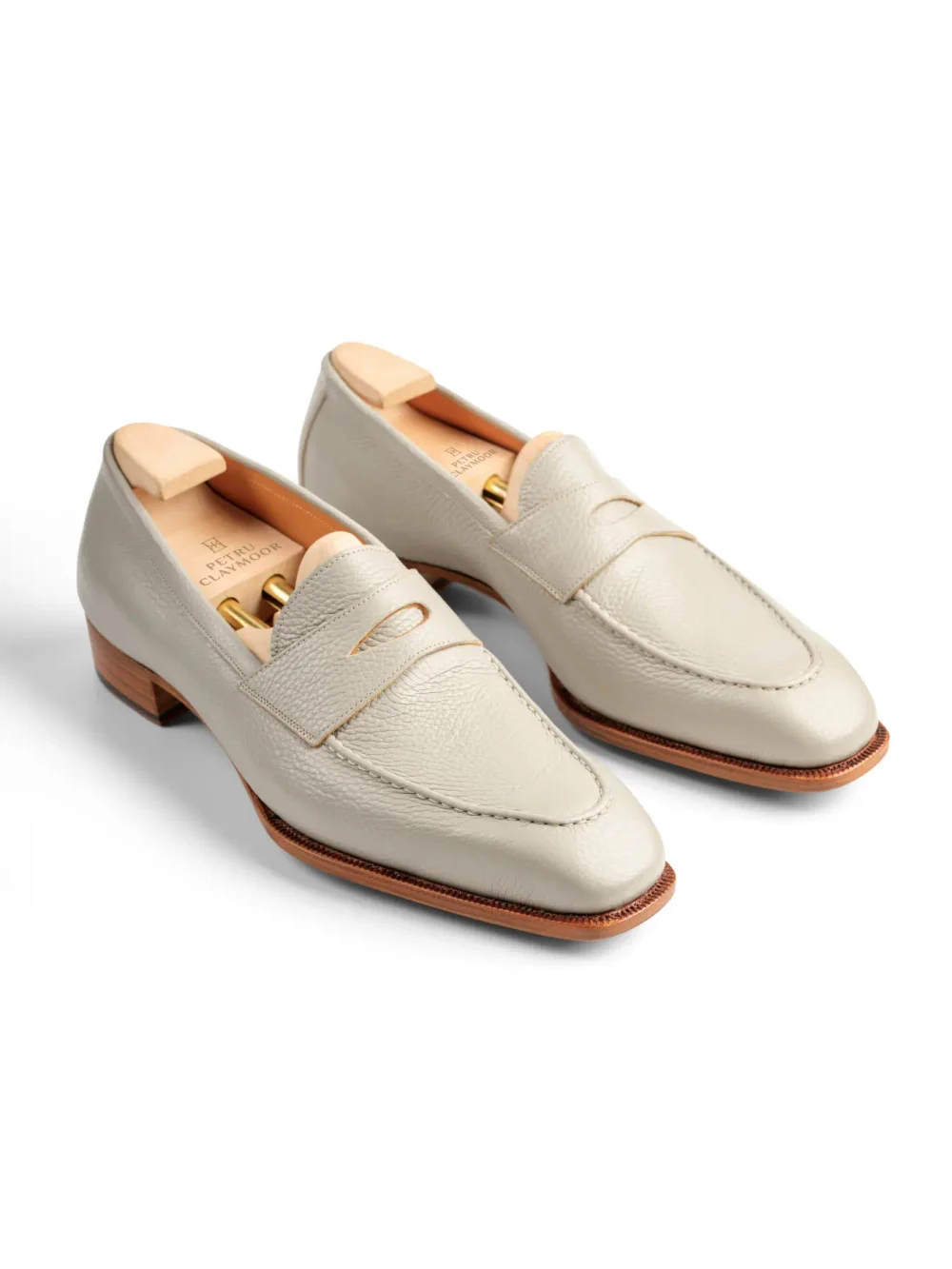
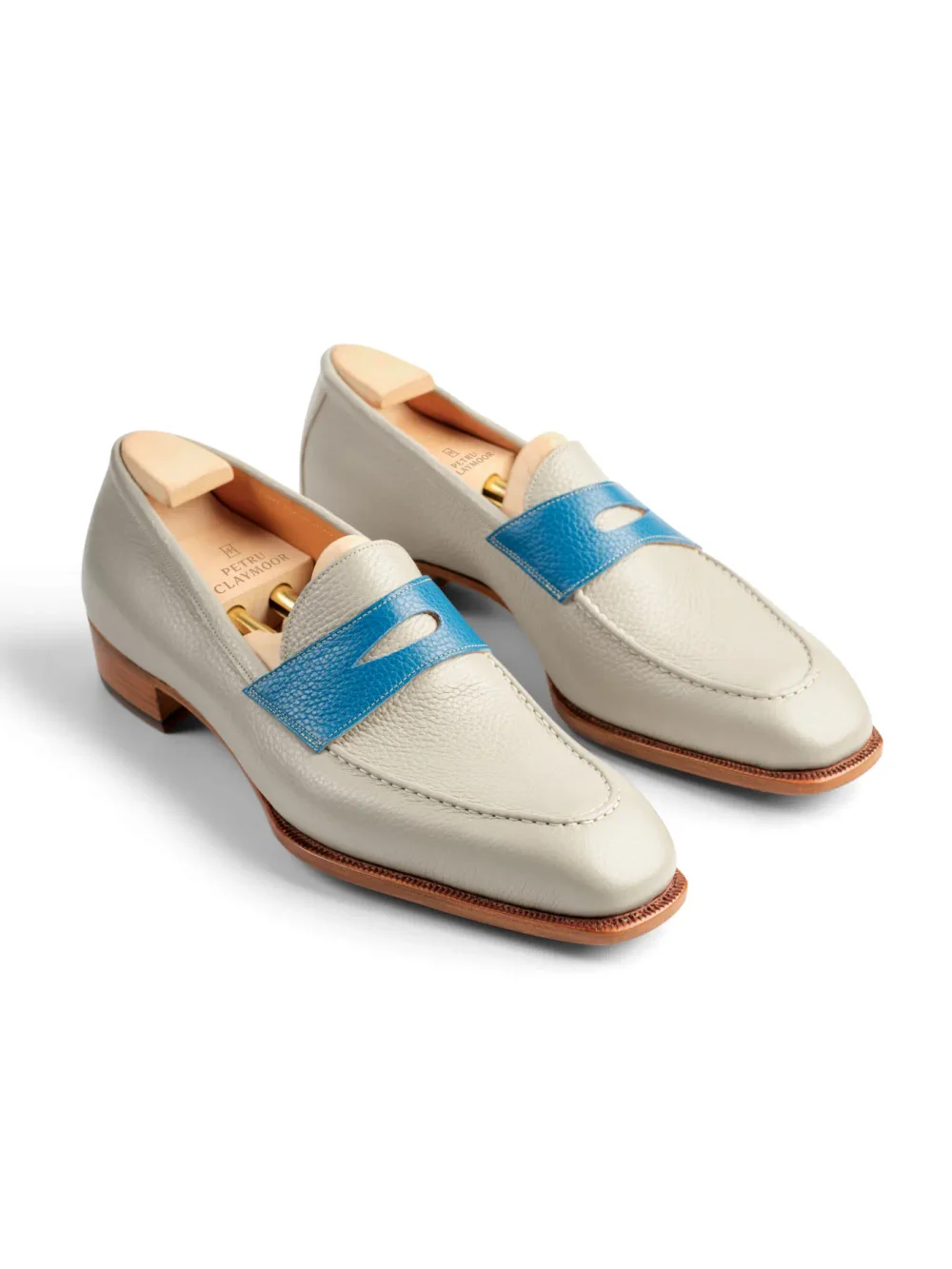
My favorite of the bunch is the very unique Solis loafer that offers an interesting take on the penny loafer. It almost feels French in style, but a beefier version with more structured lines. I find it to be quite appealing!
In terms of construction, the shoes are hand-lasted and hand-welted, with hand-sewn uppers, hand-shaped leather toe puffs and heel counters, natural cork filling, and leather outsoles. Certain models also feature oak bark-tanned soles and layered leather heels.
Prices range from €2,100 to €2,300, making this the middle-priced collection. It is also the most varied of the three, offering something for those who appreciate traditional shoemaking without necessarily wanting an unconventional design.
Petru Claymoor – Collection Comparison
| Feature | Essentials | Legacy | Signature |
|---|---|---|---|
| Price | €1,800–€1,900 | €2,100–€2,300 | €2,400–€2,500 |
| Models | Contemporary Oxfords, loafers, boots | Traditional Oxfords, loafers, Chelsea boots | Aeon Oxford, Cronos Chelsea, Silentium chukka |
| Design | Bold colors and modern combinations | Classic patterns and varied leathers | Minimalist, distinctive seam work |
| Hand-lasting | Yes | Yes | Yes |
| Hand-welting | Yes | Yes | Yes |
| Hand-sewn uppers | Not consistently specified | Yes, on listed models | Yes, on listed models |
| Outsoles | Leather | Oak bark-tanned leather on several models | Oak bark-tanned leather |
| Heels | Standard leather finishing | Layered leather heels | Sculpted, layered leather heels |
| Distinctive feature | Unconventional colors | Traditional designs and materials | Prominent center seams and sculpted silhouettes |
Traditional Romanian Shoemaking
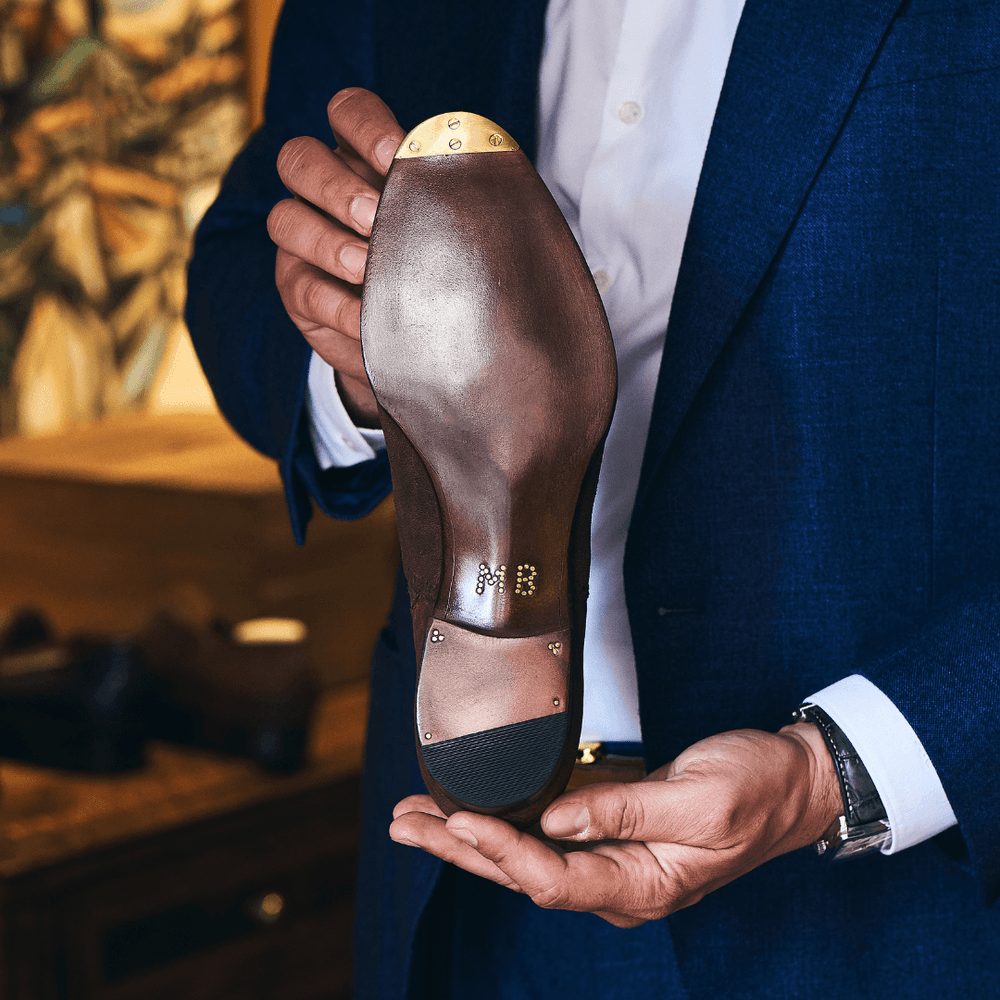
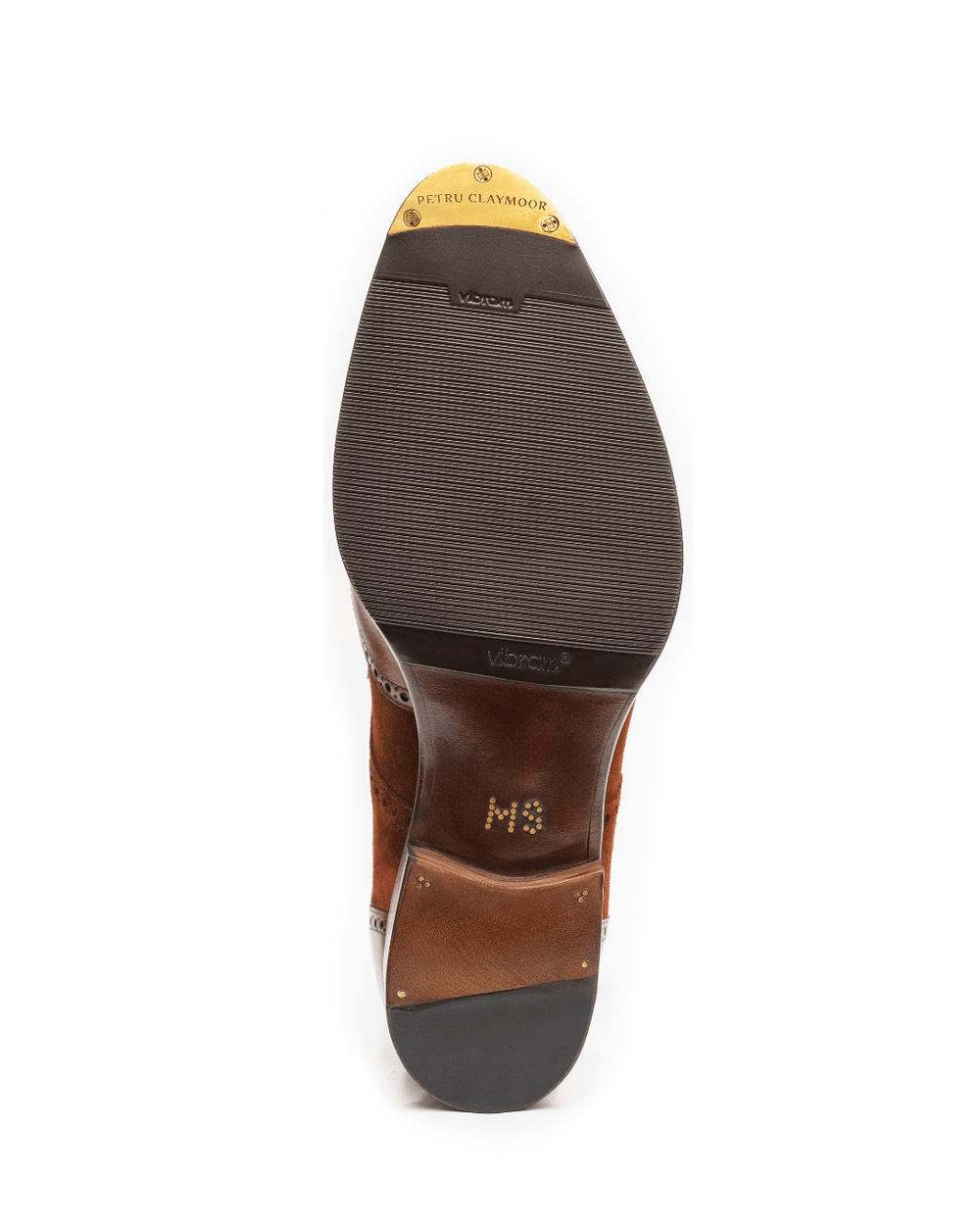
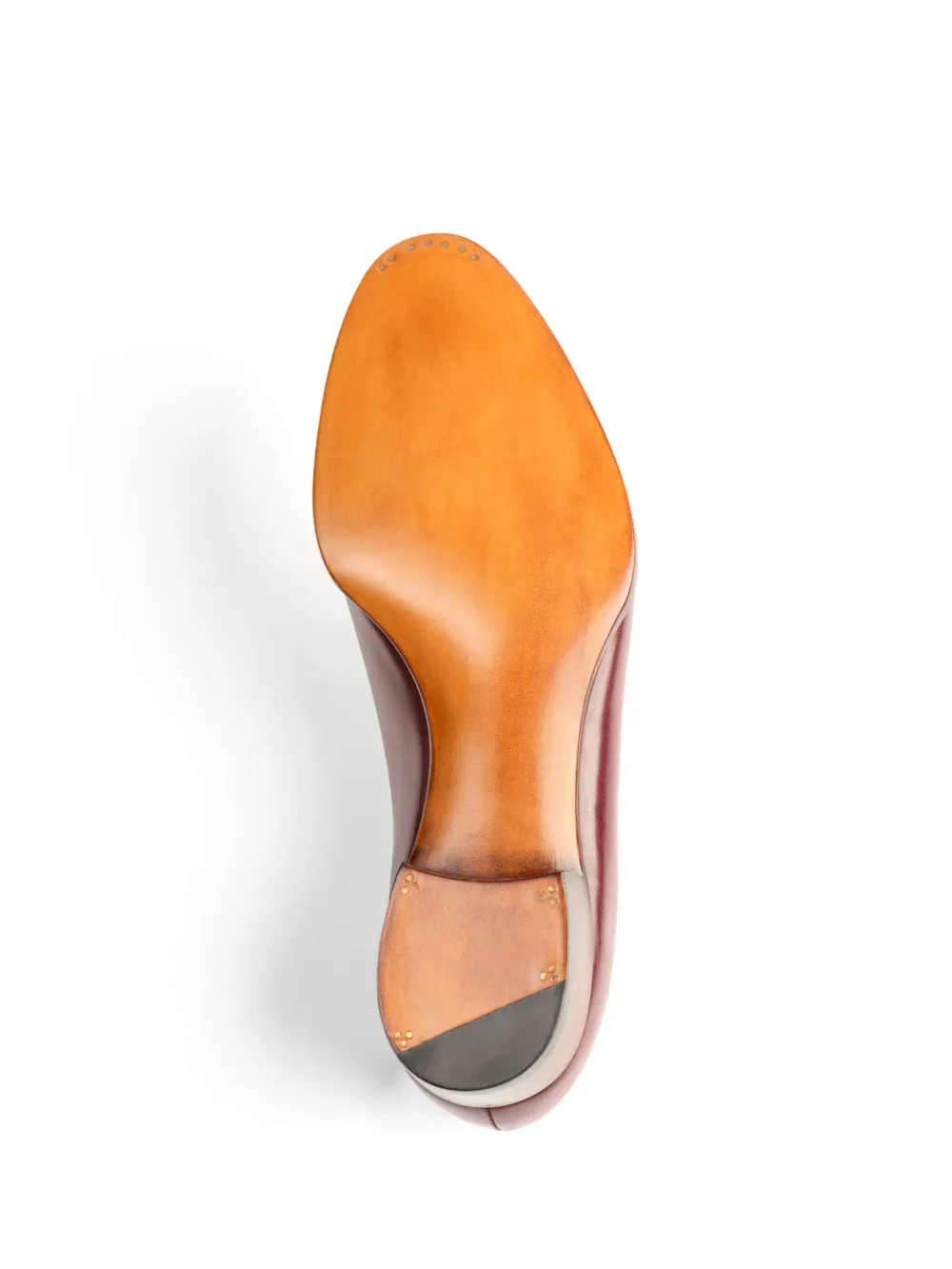
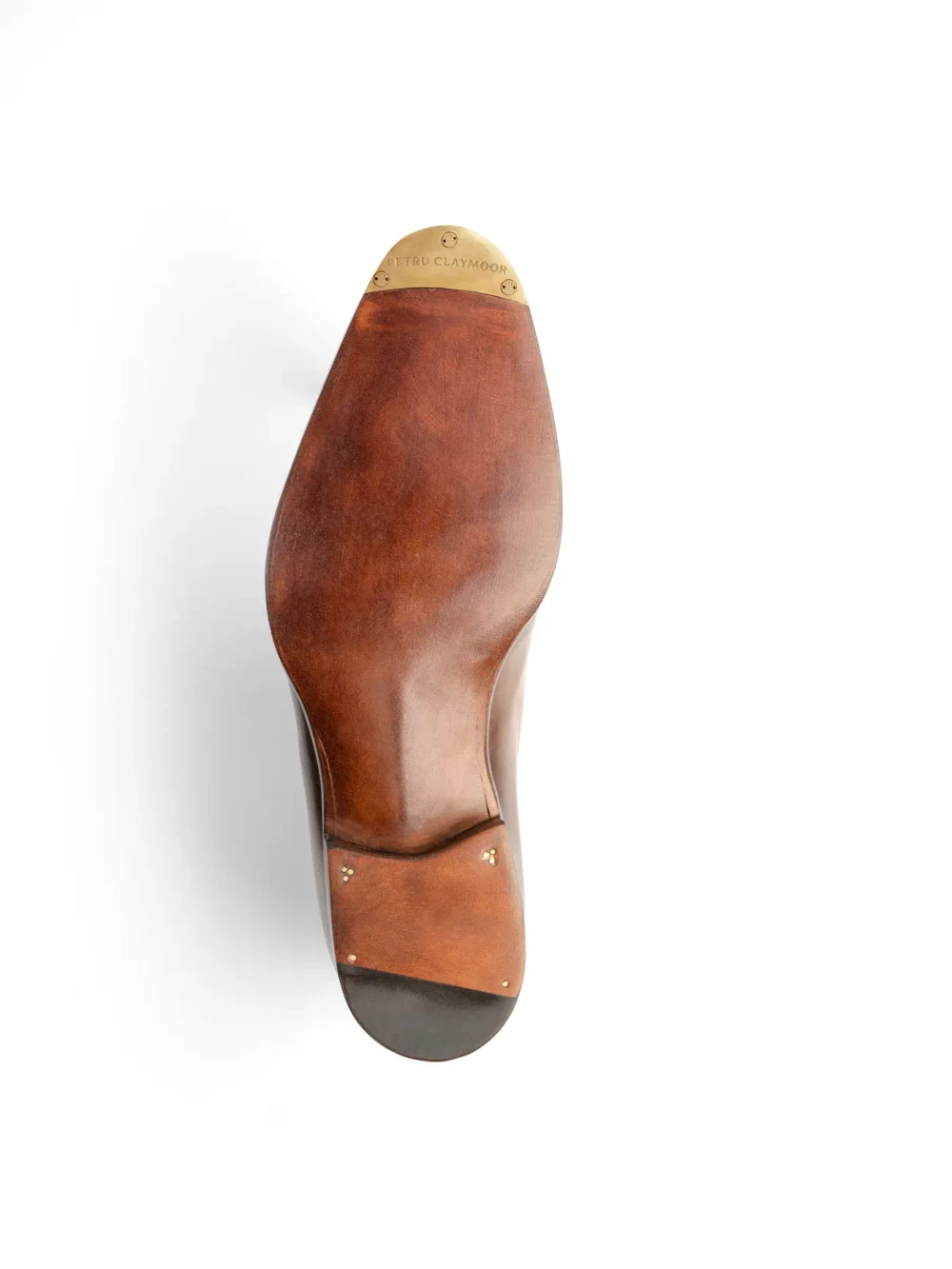
Of course, beneath the new branding, collections, and more contemporary designs, the most important aspect of Petru Claymoor remains its approach to shoemaking. The company continues to emphasize traditional techniques, including hand-lasting, hand-welting, hand-shaped leather toe puffs and heel counters, and hand-polishing.
These are processes that require considerable skill and time, particularly when compared with the industrial methods used in most modern footwear production. One detail I would still like to clarify, however, is how the outsoles are stitched across the three collections.
There is an important distinction between hand-welting a shoe and hand-stitching the outsole to the welt. And while Petru Claymoor clearly emphasizes its hand-welted construction, I have not found a consistent explanation of whether every model also receives fully hand-stitched outsoles.
Romania has a long history of traditional shoemaking, including workshops that use older mechanically operated stitching machines alongside manual techniques.
There is nothing inherently wrong with that, but when discussing footwear at this price level, I think it is important to understand exactly what is being offered. It is something I would be curious to learn more about.
An Impressive Range of Sizes and Widths
Another aspect of the new website that deserves recognition is the size offering. Petru Claymoor lists its shoes from UK 5 all the way through UK 14, including half sizes throughout the range.
That is quite extraordinary for a relatively small handmade shoemaker. Many established ready-to-wear brands stop at UK 12, sometimes UK 13, and often offer a much more limited range of half sizes.
Petru Claymoor goes well beyond that. But perhaps even more impressive is the width offering.
Customers can select between D, E, F, G, and H widths, with F appearing to be the standard offering. The other widths require approximately ten additional days of production time.
That is a tremendous amount of flexibility, particularly for customers who struggle to find a proper fit in conventional ready-to-wear footwear.
Of course, having multiple widths available does not automatically guarantee a perfect fit. Last shape, instep height, heel width, and overall foot proportions all play a significant role.
But having this many options is certainly a step in the right direction.
The brand also offers five different last shapes, allowing customers to choose between more traditional rounded toes and sharper, more contemporary silhouettes. The shoes are made to order, with a stated production timeframe of approximately six to eight weeks.
Considering the amount of handwork involved, that seems entirely reasonable.
A Welcome Evolution
Having followed Petru Claymoor for several years, I am pleased to see how the brand has evolved.
There is a significant difference between the company I first wrote about and the one presented on the new website. The branding is stronger, the collections are more clearly defined, and the ordering process is considerably more accessible.
But what I appreciate most is that they have not simply abandoned their traditional roots in an attempt to become more commercial. The craftsmanship still appears to be central to what they do.
At the same time, they are clearly trying to establish a more recognizable design identity, particularly with the Essentials collection and its rather adventurous interpretations of classic footwear.
Will everyone appreciate the direction? Probably not. But that is perfectly fine.
The classic shoe industry could certainly benefit from a little more individuality, and I would rather see brands experimenting with new ideas than endlessly reproducing the same designs.
I will be curious to see how Petru Claymoor continues to develop, particularly as more information becomes available about the construction differences between its three collections.
For now, it is nice to see another traditional European shoemaker continuing to grow and find its place in the modern footwear world.
You can explore the new collections on the Petru Claymoor website.
—Justin FitzPatrick, The Shoe Snob
Shop · Marketplace · Patreon