The shoe industry has always been full of questionable marketing, but the language has become increasingly ridiculous. Every other shoe is apparently handmade, crafted from the finest leather in the world, sold without middlemen, and offered directly to you at a revolutionary price that traditional brands supposedly cannot compete with.
It all sounds wonderful. It is also usually missing a great deal of context.
The problem is not that every affordable shoe is bad, nor is it that every new brand is lying about everything it sells. There are some very good shoes being offered at competitive prices today, particularly from parts of the world where production costs are lower and skilled shoemaking traditions still exist.
The problem begins when perfectly respectable factory-made shoes are presented as something they are not. A good machine-made shoe does not need to pretend to be handmade. Good leather does not need to be described as the best leather in the world. And a brand does not need to invent an imaginary group of evil middlemen to justify why it sells directly to the customer.
Yet these shoe industry lies continue because the terminology works. Consumers want to believe they have uncovered a secret: a truly handmade luxury shoe, made from the world’s greatest leather and somehow selling for a fraction of the normal price.
In most cases, there is no secret. There is simply marketing.
What Does “Handmade” Actually Mean?
The word handmade should be one of the easiest terms in the world to understand. A handmade shoe is a shoe made by hand.
That does not mean that a person held the shoe while operating a machine. It does not mean that somebody brushed the finish onto the leather by hand at the end of production. And it does not mean that one or two attractive steps were filmed for Instagram while the rest of the shoe was made with industrial machinery.
Nearly every shoe involves human hands somewhere in the production process. Someone selects the leather, guides the upper through a sewing machine, operates the lasting machine, trims the sole or applies the finish. Those workers may be highly skilled, and their work should not be diminished. But operating a machine is not the same as carrying out that process by hand.
There is also nothing inherently wrong with factory production. Some of the finest ready-to-wear shoes in the world are made in factories. They are consistent, beautifully finished and made by people with decades of experience.
Calling those shoes factory-made is not an insult. Calling them handmade when they are not is simply dishonest.
I have covered the definition more extensively in my article on what a handmade shoe actually is. The point is that terminology matters. When a $300 factory-made shoe and a $3,000 handmade shoe are described with the same word, that word becomes meaningless.
Handwelted Does Not Mean Fully Handmade
This distinction has become even more important as handwelted shoes have become available from a wider range of countries and at far more accessible prices.
A handwelted shoe has its welt sewn to the insole by hand. That is a legitimate and meaningful construction detail. It generally requires more time and hand skill than machine Goodyear welting, and it can allow for a more substantial leather insole without the use of gemming.
But handwelted does not automatically mean that the entire shoe was handmade. Read here about those distinctions.
The upper may still be machine-stitched. The shoe may be machine-lasted. The outsole may be stitched with a machine. The heel and sole edges may be shaped and finished using powered equipment. There can be considerable handwork involved without the finished product being completely handmade.
This is not a criticism of handwelted shoes. I sell and recommend them because they can offer excellent construction and very good value. The point is simply that brands should describe what they actually do.
“Handwelted” is already an impressive claim when it is true. There is no need to inflate it into “fully handmade” unless the rest of the production genuinely supports that description.
The “No Middlemen” Claim
The phrase “no middlemen” might be the most overused claim in modern direct-to-consumer marketing.
A brand commissions shoes from a factory, adds its name, markets them, and sells them to the customer. It then announces that it has eliminated the middlemen.
But what exactly is the brand in that equation?
The brand may have removed a traditional wholesale distributor or department store from the chain. That can certainly reduce some costs. Selling directly to the customer can also give a brand greater control over pricing, presentation and customer service.
But the brand itself still sits between the factory and the customer. It still needs a margin because it has expenses. Marketing costs money. Photography costs money. Warehousing, staff, payment fees, returns, packaging, damaged goods, customer service and shipping all cost money.
There is nothing wrong with earning a margin. Businesses need margins to survive. The dishonest part is pretending that traditional brands are simply adding enormous amounts of profit for no reason while the new brand has somehow found a charitable way to sell shoes.
Business is business. Every sustainable company has costs, and every sustainable company needs to make money.
“No traditional retailer” may be accurate. “Factory direct” may be accurate when the factory genuinely owns and sells the brand. But “no middlemen” is often little more than a vague phrase designed to make the buyer feel that everyone else has been ripping them off.
“The Best Leather in the World”
This is the one that really gets me. There is no single best leather in the world. And the brands that claim this are usually NOT using good leather.
There are excellent tanneries. There are prestigious leather articles. There are hides that cost substantially more than others. But leather quality is not determined by one magical name stamped onto a product page.
Even within the same tannery and the same leather article, there can be variation. The area of the hide used matters. The selection and grading matter. The thickness matters. The finishing matters. Most importantly, the skill of the clicker—the person cutting the upper pieces—matters.
A brand can use leather from a famous tannery and still cut around loose, damaged or unattractive areas poorly. Another maker can use a less fashionable leather and produce a far better-looking shoe through more careful selection and clicking.
Terms such as “top-grain leather,” “premium leather” and “the finest leather” are often used because they sound impressive while telling the customer very little.
A useful description should tell you something specific: the tannery, the leather type, the article when relevant, the finish, and why that leather was chosen for the shoe.
“The best leather in the world” is not a specification. It is an advertisement. And usually a false one.
Made in Europe Does Not Automatically Mean Superior
Another common misconception is that anything made in Italy, Spain, Portugal, England, or elsewhere in Europe must automatically be high quality.
It is not true. Not anymore.
Europe produces some of the greatest shoes in the world. It also produces average shoes and poor shoes. Country of origin does not tell you how much the factory was paid, what materials were used, how much time was allowed for production or how strict the brand’s quality-control standards were.
The same applies to shoes made in Asia. A shoe made in India, China, Indonesia, or Vietnam is not automatically cheap or inferior. Not anymore. There are highly skilled makers working throughout the world, just as there are factories everywhere capable of cutting corners when that is what a buyer requests.
The location provides context, but it does not provide a complete judgment.
Look at the construction. Look at the materials. Look at the finishing. Look at whether the brand openly explains where and how the shoes are produced. Those details tell you far more than a flag printed on the product page.
Affordable Shoes Can Be Good—But Trade-Offs Still Exist
The original version of this article leaned heavily on the idea that price alone could disprove many marketing claims. The general logic still applies, but the modern market requires more nuance.
Labor costs vary enormously between countries. Some manufacturers own their facilities. Some brands operate with small teams and low overhead. Others sell primarily through preorders or made-to-order production, reducing inventory risk. These differences can allow one company to offer substantially more handwork than another at the same retail price.
Therefore, a $300 or $500 shoe should not automatically be dismissed simply because it costs less than a comparable European shoe. But price still has consequences.
A shoe cannot contain unlimited hand labor, the most expensive materials, extensive quality control, free worldwide shipping, easy returns, premium packaging, and healthy worker compensation while being sold for almost nothing. Somewhere in that equation, a compromise has been made.
That compromise may be perfectly sensible. Perhaps the shoe uses a machine-stitched sole. Perhaps the leather is good, but not the most expensive available. Perhaps production takes place where labor costs are lower. Perhaps the brand accepts a smaller margin because it has fewer employees.
Those are all legitimate business choices. The issue is when the brand insists that there were no compromises at all, or lies about it, i.e. European brands having their uppers sewn in India yet claiming 100% European-made.
Free Shipping Is Not Free
The same logic applies to free shipping.
International shipping costs real money. Duties, packaging, insurance, replacements and returns cost money. When shipping is advertised as free, the cost has either been included in the product price, absorbed within the company’s margin or subsidized as a customer-acquisition expense.
That does not make free shipping deceptive. It is a normal and useful retail strategy.
But it is not magic.
Consumers should understand that every benefit offered by a business is paid for somewhere. There is no invisible courier delivering shoes around the world out of kindness.
Ask Better Questions
Rather than being impressed by grand claims, customers should ask brands for specific information. It baffles me, especially in the US, how some brands make great advertising with grand claims, produce garbage footwear, and so many consumers are absolutely tricked by the clever marketing, believing all of the claims.
What parts of the shoe are actually completed by hand? Is the shoe Goodyear welted, Blake stitched, handwelted or cemented? Is the company operating its own factory or ordering from an independent manufacturer? Which tannery produced the leather? Is the outsole machine-stitched or hand-stitched? Where is the shoe made, and what does the brand mean when it uses words such as handmade or artisan?
A transparent company should be able to answer these questions without turning the response into another marketing speech.
Not every production detail needs to be publicly documented, and consumers do not need to become shoemakers before purchasing a pair of shoes. But the more extravagant the claim, the more evidence the brand should be prepared to provide.
The Truth Is Usually Good Enough
The irony is that many of the shoes being marketed dishonestly are usually the bad ones. Good shoe brands don’t need to scream their claims and shove them in your face. Their reputation precedes them through the good quality that you see and feel, and that is talked about online by actual wearers.
But modern marketing often refuses to allow a product to simply be good. It must be revolutionary. It must disrupt the industry. It must use the finest materials known to mankind. It must eliminate every middleman and deliver an heirloom-quality handmade shoe for the price of a mass-market sneaker. That is why I cannot stand ‘traditional marketing.’ It is often fraught with lies.
That constant exaggeration damages the entire industry. It confuses consumers, devalues legitimate craftsmanship, and creates expectations that honest brands cannot possibly meet.
A factory-made shoe can be excellent. A handwelted shoe can offer tremendous value. A machine-made shoe can be more attractive and better executed than a poorly made handmade one.
Quality is quality.
But handmade should mean handmade. Handwelted should mean handwelted. Direct-to-consumer should mean direct-to-consumer. And good leather should be described accurately rather than elevated into some mythical material that no other brand can access.
The truth is usually interesting enough. Brands should try using it.
—Justin FitzPatrick, The Shoe Snob
Shop · Marketplace · Patreon
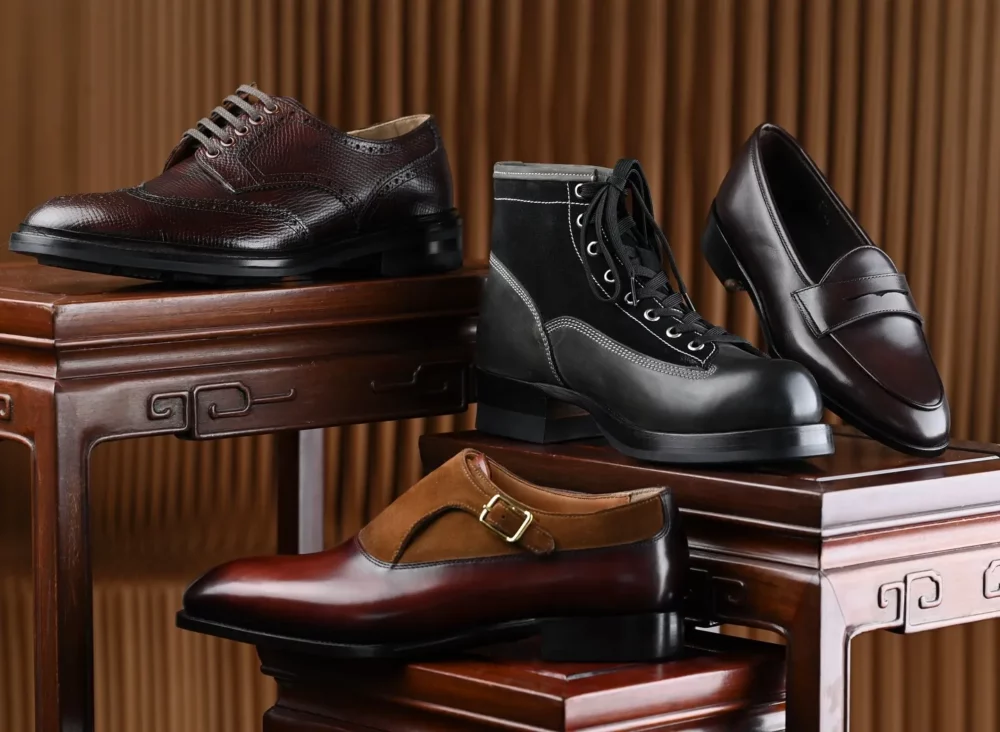
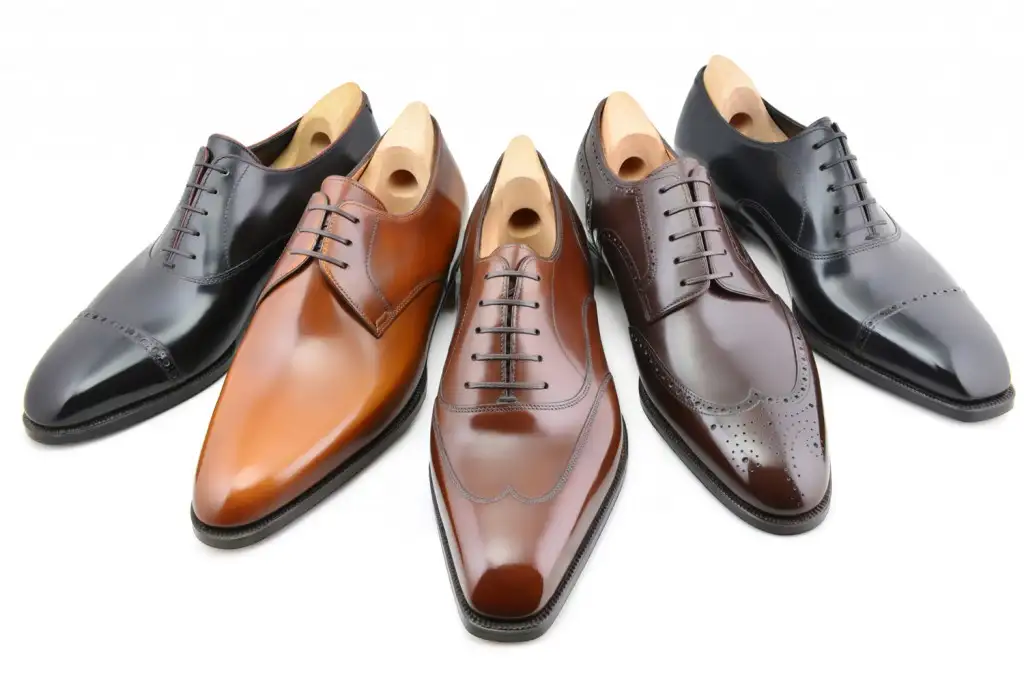
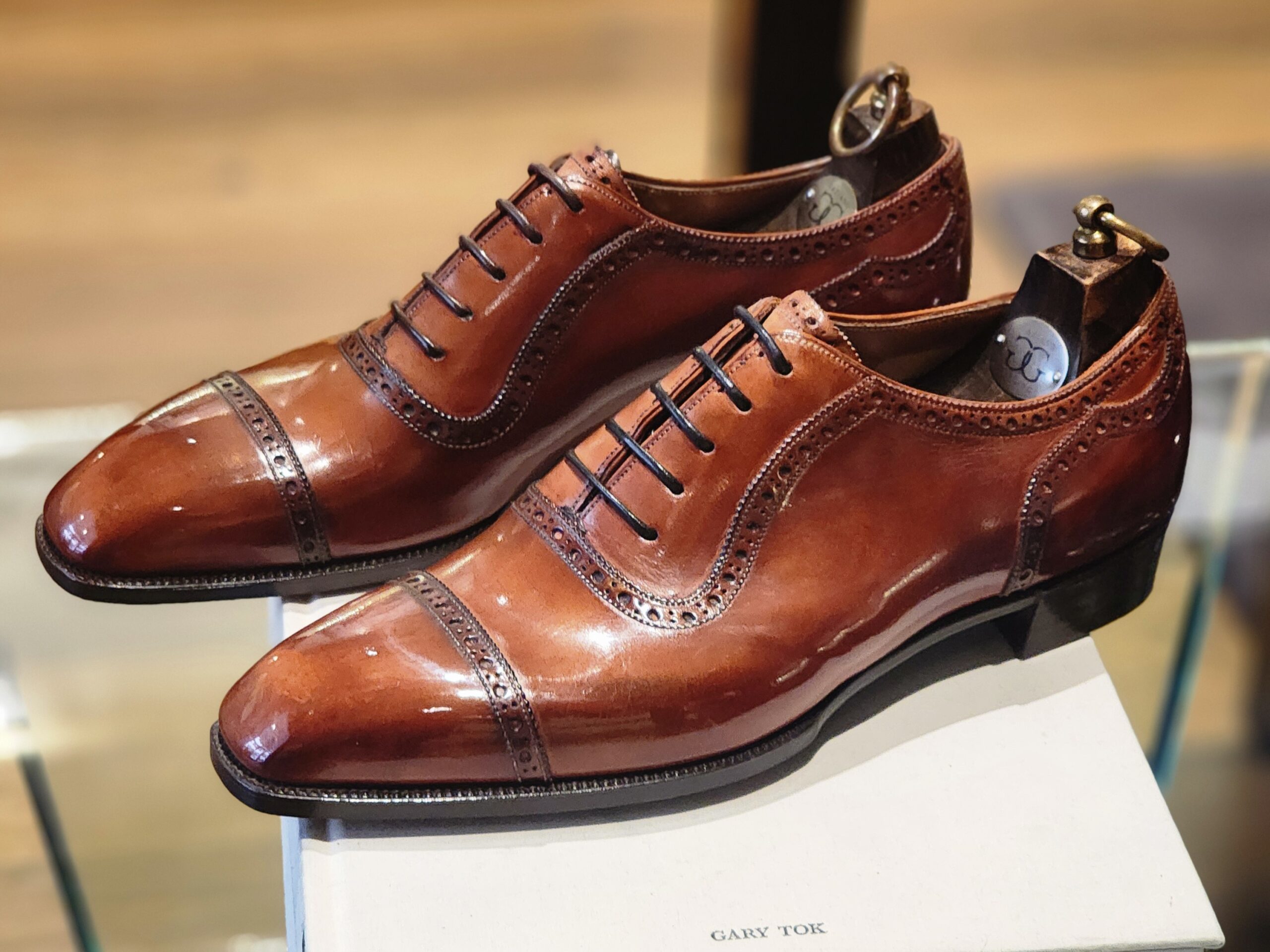
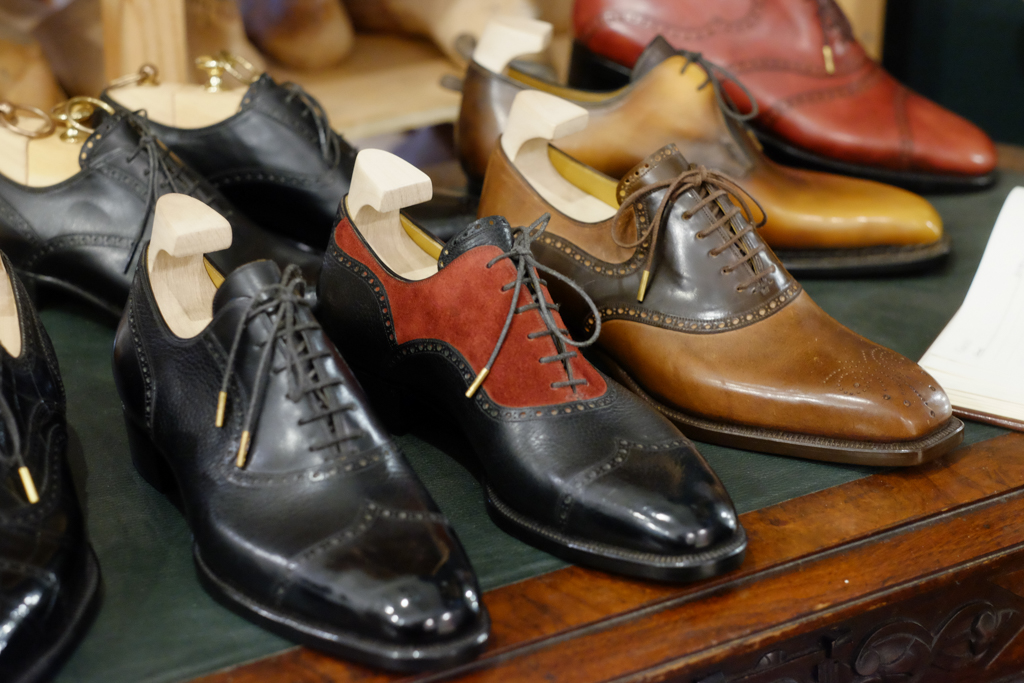
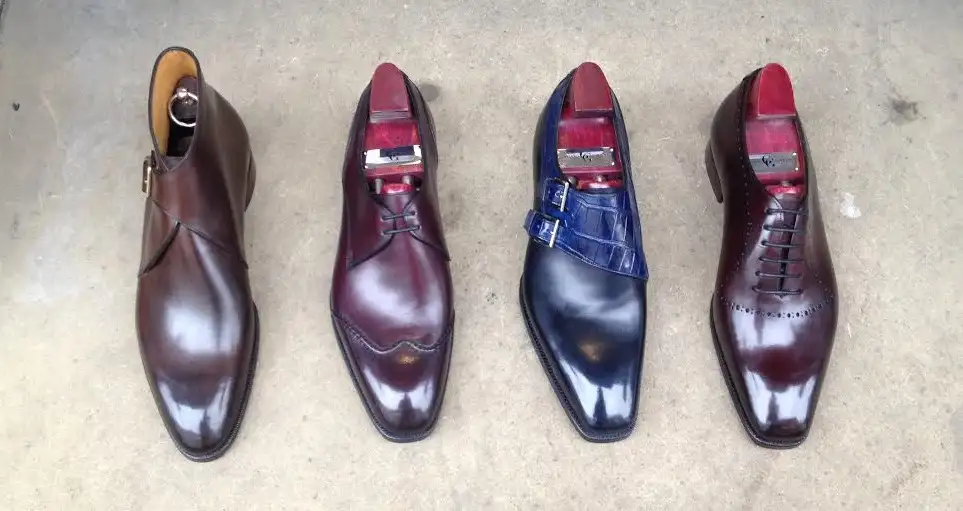
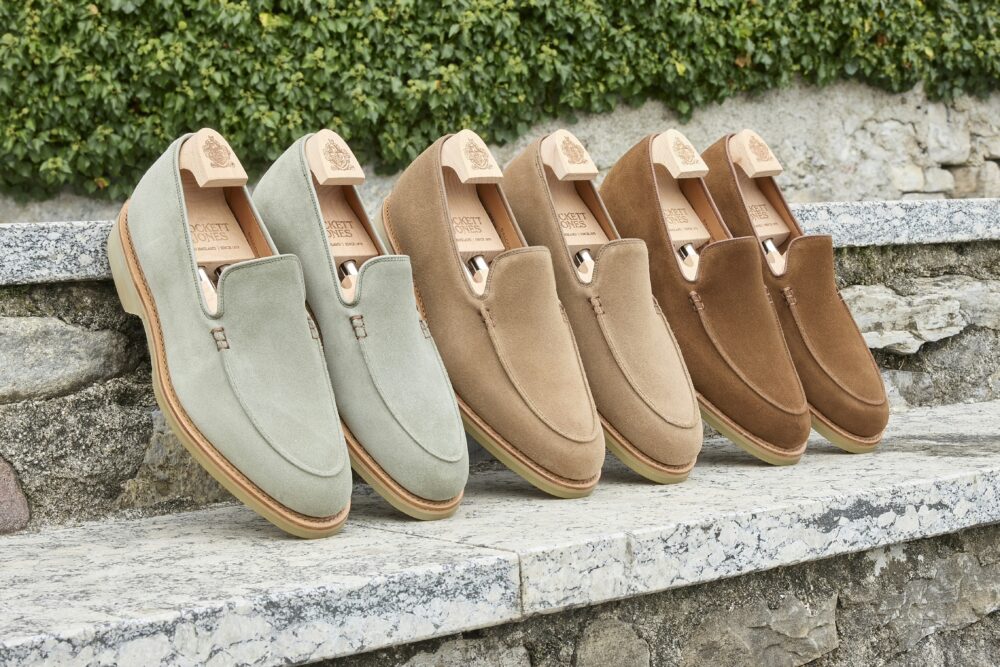
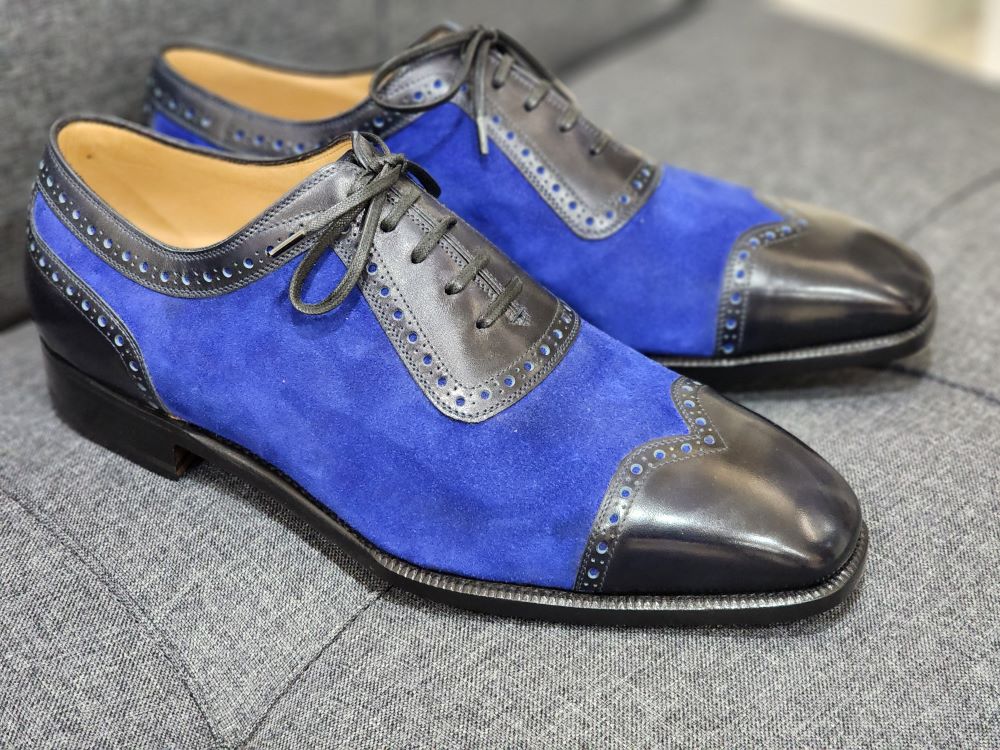
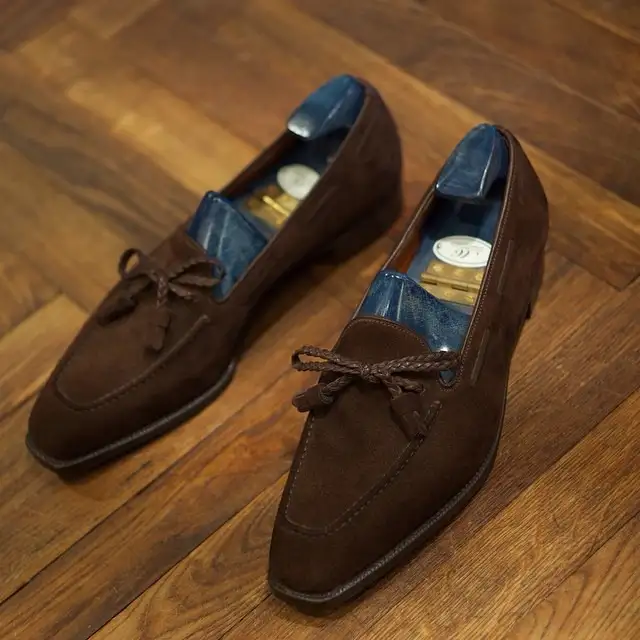
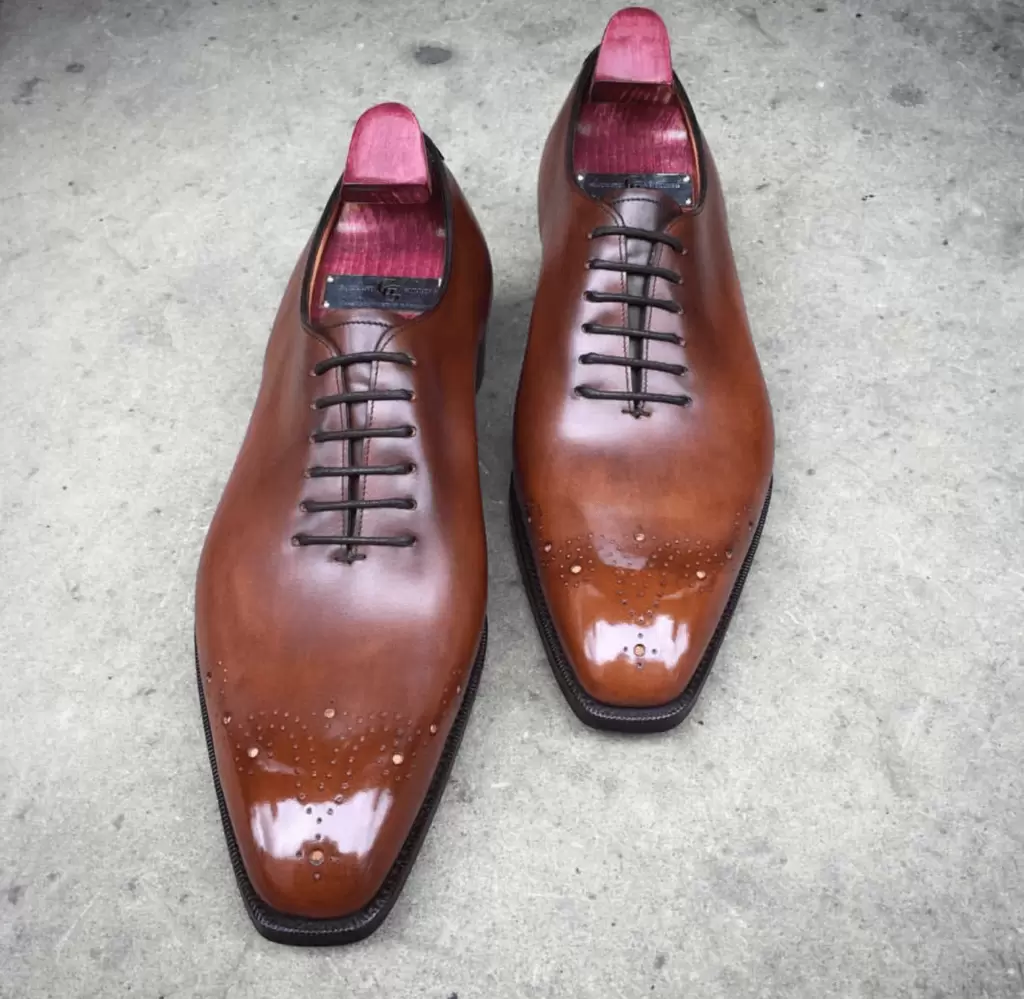
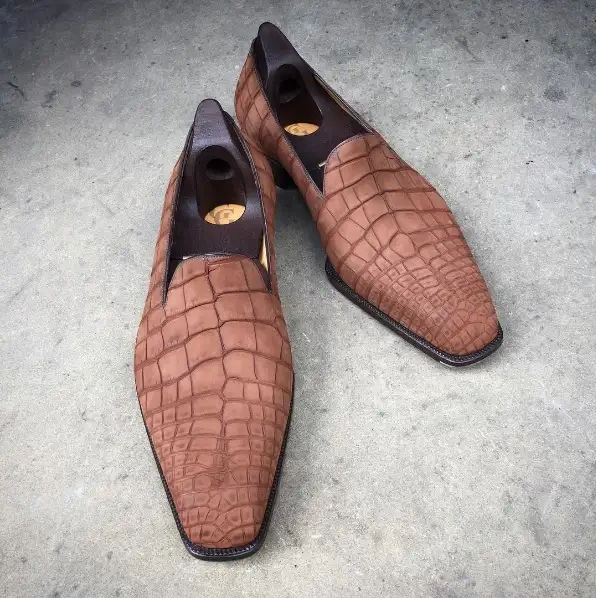
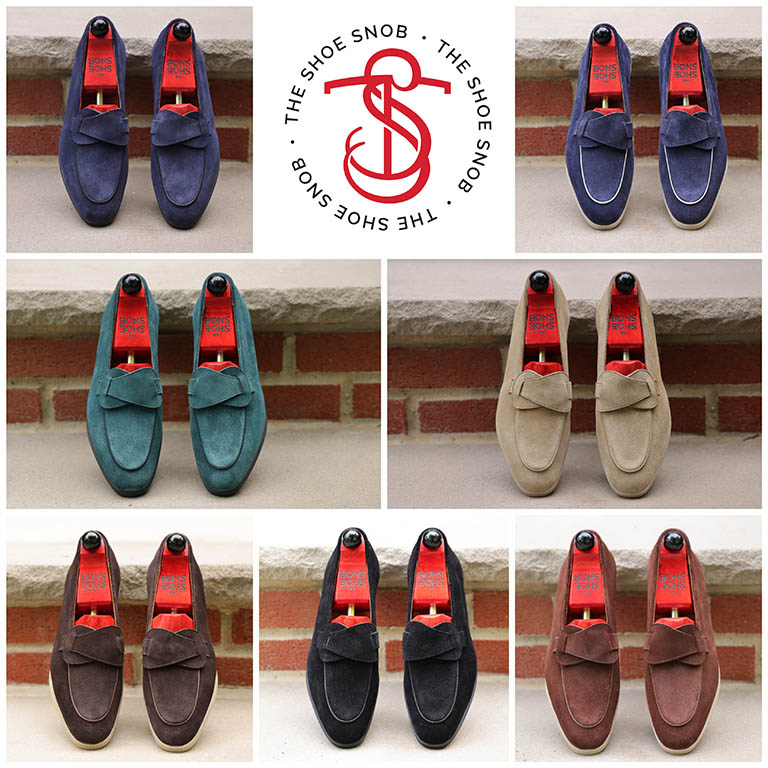
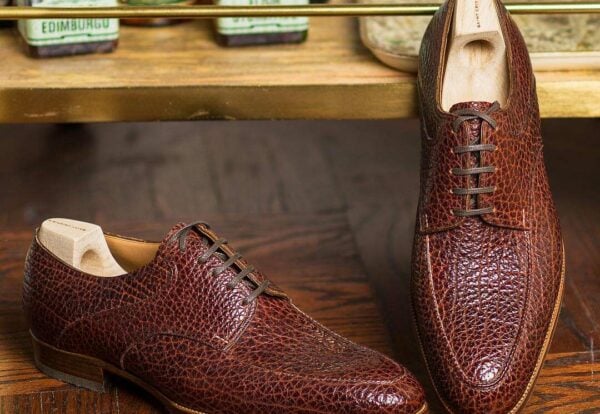
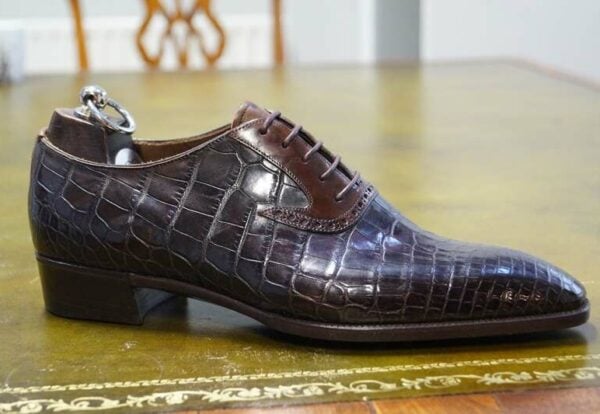
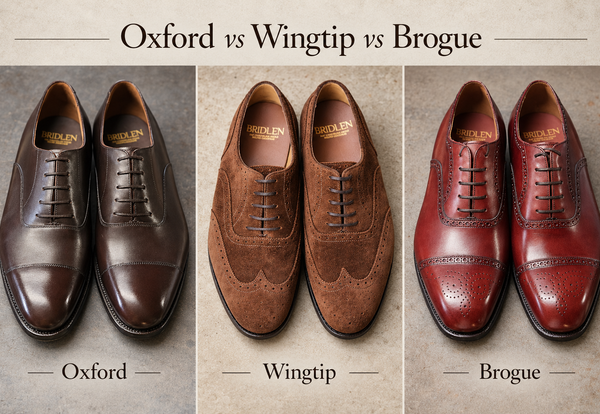
***The shoes shown in the post photos are not the brands I am referencing. These are simply eye candy to show you what proper shoes look like!***



Hi Justin, I’m not sure where to write this but I’m wondering whether you have had the chance to cast your expert eye over the Armoury’s new Yohei Fukuda designed in-house brand made in Northampton.
The last shapes look beautiful online and I’m tempted to pull the trigger – but I’ve never seen them in person. Do you know if they are closer to C&J main collection or hand grade in make & leather quality etc?
I have yet to have a chance to inspect them but truth be told, I did not like what I saw on pictures, They look handgrade from the pics though
Thanks very much, I won’t be ordering a pair then haha. Do you mind if I ask why though? Is it a style thing or there something more than that my untrained eye hasn’t spotted?
Maybe it was the photography but the pattern looked way off to me on some of the patterns. Not what I would expect from Yohei pattern as his shoes are always flawless. Also leather didnt look great but again could be photograohy or lack of shining.
Justin, I followed your blog when you just started. To be honest, I don’t read it often any more and I am surely not a hater or troll. But I realized your words and comments changed. You were very humble and nice once. If I see your comments and answers these days, it looks like some very different Justin. Either shine people change with success, or I misinterpreted your humblness.
All the best dude
Thanks for your message. I used to be way more crass to be honest. But one thing you have to understand is that I have grown a lot since then and often have a lot less time to spell things out as much as I might have once would. Also I have a lot of haters and trolls and sometimes its hard to pick them out so maybe respond shortly to someone who didnt deserve it. Sorry you feel the way you do. If you actually put yourself in my shoes and read the comments I get you might feel different. Take care
Any names or culprits you would call out?
any brand that is marketing their “handmade shoes with no middlemen” and selling for less than $1000.
If I may add to the discussion:
https://csimarket.com/Industry/industry_Profitability_Ratios.php?ind=1301
Great article. You mentioned shoes at the $600 price range cannot be handmade. Enzo Bonafe sells shoes claimed to be handmade around this price range. What can you say about Bonafe then?
Great article. You mentioned shoes at the $600 price range cannot be handmade. Enzo Bonafe sells shoes claimed to be handmade around this price range. What can you say about Bonafe that claim to be handwelted in this price range?
yes handwelted is not handmade. It is partially handmade, but to do the entire process by hand would then make them more expensive. Also I said that shoes at $600 are not handmade, not that they couldn’t be handmade. What I was trying to say is that brands like Santoni and Ferragamo no matter how much the salesmen tells you they are, are not in fact handmade. VASS is apparently 100% handmade (although I have yet to confirm this and do not believe that they sew on the sole by hand) and they sell for around the same if you go to Hungary and get a pair. But these look like handmade shoes. I am talking about these cheap looking shoes that sell for $300 and the owners of the brand are claiming handmade.
mr fitzpatrick, i can prove you wrong and i would bet my bottom dollar that this will be one of the rare case where you will be so glad that you’re wrong.
hand carved leather insole, handcut and handlasted uppers, 100% handstitched welt inseaming, hand beveled and hand pegged waist, saddle stitched outsole (not rapid stitched), leather heel stack set by hand and hammer…. all for under $500.
Your understanding of profit margins is WAY off! Manufacturers are lucky to get 30%. Typically, they’re making closer to 20%. Same thing with retailers. His estimations that the manufacturers are working off a 100% profit margin and retailers are working off a 260% to 270% profit margin is laughable at best.
Your estimation of labor rates is off too. 10 Euros per hour is $11.70/hr here in the U.S. (which is probably on the higher end of what manufacturers pay line workers). Add in payroll taxes and healthcare expenses and the employer is probably paying somewhere around 15 ($17.51 USD) Euros per hour per employee. TOTAL.
Manufacturer’s wholesale price on raw goods for handmade shoes is probably 20-30 ($23.34 – $35.02) Euros per pair. Add that to the 450 Euros for 30 hours of labor and we’re up to 470-480 Euros. We’ll round up to 500.
500 ($583.63 USD) Euros materials and labor. Tack on 30% = 650 Euros wholesale.
650 ($758.71 USD) Euros wholesale. Retailer tacks on another 30% = 845 Euros.
Translate that to U.S. Dollars:
$758.71 wholesale
$986.33 retail
My numbers are right in line (maybe ever so slightly low) with what handmade shoes sell for. Entry level, hand made shoes start at about $1k.
Fact is, labor is the highest cost of any manufacturing process both here in the U.S. and in Europe. As someone who has been in both retail and manufacturing, I know my percentages hold true to virtually every industry across the board (with the exception of pharmaceuticals). This is why so many manufacturers are moving to Asia (labor – in most cases – isn’t even a consideration). Cost of materials is often the LEAST expensive part of the process.
it’s amazing that you have no idea what you are talking about. I am in the industry actually with my own shoe brand, have dealt with retailers and know most of the shoe brands out there. Yes, some manufacturers that sell hundreds of thousands of shoes a year, maybe have a wholesale margin of 30% but NO RETAILER IN THE WORLD has a margin of 30%.
And the fact that you say ‘Handmade’ Lobb’s even proves more that you are the one being fooled. The John Lobb shoes that are actually handmade cost £5000, not $1100. The only way one can survive on a 30% profit margin is playing the volume game and having to sell +100K in units. And there are hardly any ‘handmade’ shoes being sold in any store you have been to in the US.
And fyi, the minimum wage in Spain and Italy is around €900 which is around €5 an hour for a 160 hour month. Factory workers are not being paid much more than that.
Before you claim to know what you are talking about you might want to research a bit more. Also, I am not just some blogger. I own a shoe brand. And a 2.6x margin on top of the price I pay for shoes is on the low end of what many brands mark up their shoes. Many retailers want to bump up 3x the price of what they buy at wholesale.
Just Google the article of Louis Vuitton shoes made in Romania, by the Guardian
In your response to “Pach” (two comments down), you say, “any brand that is marketing their “handmade shoes with no middlemen” and selling for less than $1000.”
Now, I’m no rocket scientist. But, the numbers I quoted are less than $14 off from your $1000 target for entry level handmade shoes. I’m quite certain that I crunched the numbers correctly. Not to mention, I also have friends who are in the shoe business (manufacturing). I ran my numbers past them as well. Yes. I’m RIGHT on point with my numbers. Using my profit margins of 30% for both manufacturers and retailers, I came up with ENTRY LEVEL pricing of $986.33. Again, I’m less than $14 from what you say is what someone should pay for entry level handmade shoes.
As for the “John Lobb” portion of my statement, I corrected that well before my comment was approved for posting. But, since we’re on the subject… True bespoke John Lobbs are in the $4000 to $5000 range. These are shoes that have MINIMUM 100 hours into making them. When you consider the amount of time that goes into making custom lasts (Roughly 30 man hours), the time that goes into selecting the leathers, the clicker’s time in hand cutting the leather, etc, etc, etc, it could easily get up to 100 man hours. Even still, without taking into consideration cost of materials, we’re only talking $40-50 per hour. For the work of HIGHLY skilled craftsmen.
Question for ya… Are you working off of a 100% or greater profit margin with the shoes you sell??? If so, it tell me a LOT about what it is that YOU’RE selling!
Look, pal, I’m not hating on you. Most of what you say in the article is true. You can’t buy quality handmade shoes for $300. Well, maybe you can if you completely eliminate labor as a cost (which is what most mass-producing companies are trying to do by moving manufacturing overseas).
you go ahead and keep thinking what you want, but a lot of what you say is very inaccurate and you are believing things that are simply not true, no matter what your friends say. People lie to not show what they are really making, money wise. Bespoke shoes do not take 100 hours to make either. I made bespoke shoes. That is how I started. Lobb’s start at £4000 for Lobb England. For Lobb Paris bespoke it is £5000. I said any brand under $1000 just to not confuse people fruther. THE ONLY TRUE HANDMADE SHOES FROM START TO FINISH ARE BESPOKE ONES. There are only a handful of exceptions in European manufacturing for very small workshops that sell maybe 5000 pairs a year at the very most. Please stop pretending that you are an expert and telling me that I do not know what I am talking about when I do, very well in fact. I run a shoe business and know the margins very well.
You never answered my question.
Do YOU work on a 100% or greater profit margin?
of course! I would be out of business if I did not.
and profit margin is not so simple as one thinks. It is not retail price less cost of goods sold. This is definitely over 100% mark up or I would have failed in my first year. But that difference in price versus cost does not take into account the rest of a businesses expenses (which has to be factored in), like employee wages, the absorbing of shipping costs, costs of paper, packaging for shipping, accountancy, ink for printer, and a million other recurring expenses that a business has. You clearly don’t understand the business or profit margin at all. If I sold my shoes at retail price only 30% above what I paid for them, I would have been loosing money from day one.
The only time you put a 30% mark up is for a wholesale order of above a certain quantity to justify any kind of money making at all. Business is math. And it is simple. Clearly your maths are all wrong and not taking into account many things that consumers don’t see or apparently think about. You think wages are paid for by a money tree? No they are paid out of your profit margin. Accountancy? Free again? No Profit Margin.
This will be the last comment I answer as it is evident you don’t know what you are speaking of
It’s fine. You don’t have to reply.
I’m sure most of the people who can afford decent quality shoes aren’t the average cashier at Walmart. So, there’s at least a portion of them who actually understand how (most) businesses work and what their profit margins are. Some actually own businesses or are accountants and crunch these very numbers on a daily basis. So, they know that my model resembles most all businesses.
Your business model that you’ve come up with has you selling shoes with an excess of 100% profit. Which means, on a pair of shoes you sell for $500, you paid $250 or less. Even more to the point, on a pair that you would sell for $1000, you paid $500 or less. What, exactly justifies the added expense???
Here’s the problem I have with your numbers. They muddy the waters of understanding for the consumer. Manufacturers and retailers do stretch the truth. A LOT! They make claims that dance a grey line of legality. They make claims that lead consumers into believing that they are getting something that they aren’t.
You said it yourself, “Don’t believe everything you read or hear from a salesman when it/they are trying to sell you something!!”
Aren’t you trying to sell something????? I’m not.
Again, part of what you say is true. You can’t buy handmade shoes for $300. When a company says that you can, they’re stretching the truth – A LOT – and using legal words rather than real-world words. The furniture industry has a similar problem (real wood, all wood, solid wood, etc.). My point remains the same though. Your figures are not based in the reality of most business models.
If you work on a 100% profit margin, that tells me that you don’t sell enough volume to give your customers a good value for their dollar. Here’s your math in a nutshell:
Manufacturer’s cost to make a pair of shoes:
Materials: ???
Labor: 40-60 hours @ $5.87/hr (based on currency conversion as of 11/14/17) = $234.80 – $352.20 (We’ll split it and say 50 hours = $293.50)
Wholesale price with a manufacturer’s markup @ 100% = $587
Retail price with a markup @ 260% to 300% = $1526.20 to $1761
So, you’re making the claim that even without materials factored in, the manufacturer’s cost on Italian or Spanish handmade shoes should be $293.50 with a retail price of between $1526 and $1761???? That’s price gouging! People have actually been arrested for charging those kinds of percentages here in the U.S. following natural disasters!
You have a pair of “Handmade Bespoke Oxfords” for sale currently at $525. So, are you saying that those shoes only cost around $87.50 to make??? Sounds like someone is making a LOT of money off of a pair of shoes that should sell for
somewhere between $175 and $200!
either you don’t read or are just winding me up. Probably both. Yes, a handmade shoe takes that long to make. A factory made shoe does not. You are calculating apples and oranges. Handmade shoes cannot be in a large production line like a factory made shoe can be. It’s laughable what you say and write. You are sooooo delusional. And yes, every single brand in the world that sells retail for $500 paid less than $250 for them. Thinking otherwise is sheer ignorance for business which you prove every post you write.
You think that when brands going 50%-70% off they are losing money??? You are crazy thinking that. Business is about making money, or at least your money back. If you are selling your product losing money, you will soon go out of business.
And yes you are right about my handmade bespoke oxfords that I supplied the leather for (which I bartered for something else) and someone made for me as a gift. I could sell those for $1 if I wanted to. I am only listing them at a price that I think that they could sell at. Would the maker of them loose money if he was selling them at this price. Yes he would.
Seriously? You should just stop as the next comment is definitely going to prove that you are a troll at best.
I’m not arguing the amount of time it take to make a handmade pair of shoes.
I’m also not arguing about the advertising practices of either manufacturers or retailers. I agree with you there.
What I am arguing is how much manufacturers and retailers mark up their goods. And, yes. I’m spot on. As someone who has been in upper management in both manufacturing and retail, someone who has LOTS of upper management business connections spanning everything from medical and pharmaceutical to power tools, I know that virtually every business in capitalistic societies operate on roughly a 30% profit margin. There are a few exceptions. Very high-dollar items that don’t sell fast enough are among them. In those instances, it’s based off of $ investment over time. Profit is calculated based on how much money is invested over a given (estimated) period of time.
think what you want man. You clearly don’t know anything about retail mark ups. If you believe that Louis Vuitton pays more than half of what they retail for, you are simply missing about 100 tricks in your head, not just one. Your business background means nothing as I am talking about the shoe industry and the standards there. Every industry has different mark up standards. I know for a fact what every brand is paying in the factory that sells me my shoes and what they are retailing at too and they are all over 100% profit margin, as is the rest of the brands in the SHOE industry. Just stop now please as I won’t approve any more of your comments.
Hi Justin and Doug, I wanted to chime in because I think there is some confusion between the terms markup and profit margin. For example a 300% retailer mark up (what Justin is referring to) actually only equals 67% profit margin (what Doug is referring to), the calculations are simply different. In corporate management where one is always looking at the income statement, everything is typically calculated by the profit margins and in the retail environment it seems like markup is more standard like 3x the COGS. Margin is ratio of profit to the sale price while markup is a ratio of profit to the purchase price.
Doug, it sounds like your experience is with large companies that are moving A TON of product at a 30% profit margin. You have to keep in mind the niche luxury shoe industry moves a lot less product compared to the medical, pharma or power tool industries do and thus need higher margins to survive. Even then, I’ve worked for a medical device company that operated on a 70% gross profit margin, though it was another niche product.
An important point is missing here: markup and profit margin are different things. If a brand or retailer buy a pair of shoes for $100 then sell them for $300, the markup is $200 but the profit will be be lower. Often much lower. A large portion of that markup pays for employee wages, office and warehouse rent, advertising, etc..
Ha hahaha hahaha hahaha hah ha,your calculation works best on the paper, right?! Only if men were machines!
I have a big respect for a gray hair on your head, but Sir I apologize your statements means nothing in this business. Some thing are calculated off the paper and you know how you stand at the end of the day.
Chinese people and all over Asian people are all great workers and nations but I think I’ll pass their shoes, OK, hat down to some of them, but you have 3 billion people there and a few names to mention and in Europe you have 500 milion and at least 50 great shoemakers. So take it easy. You can’t bet on paper calculation always.
It’s such a shame that no one can refute what I say with actual real-life numbers. Is that all you have to back up your points is rhetoric and “because I said so”?
It’s actually very far from,”i said so”.
Let me put it this way.
The best shoes are made in UK. I don’t care how much they cost. I’ll pay any price they say and I know that its worth that much. If you ask me too much talking about the price of a premium hand made shoes does man with no manners. Wear Adidas or Nike they are on sale all the time.
Second best place where good and premium shoes are made is Italy, Spain and France. Here you can argue about price a bit. Especially with Italians. It’s not a big deal. Fine shoes, even with Santoni who says handmade and many of his shoes are not. So, if he can lie a bit we can talk price a bit.
Did I mention you can always wear Adidas for a good price?
Well third place you can always put Ludwig Reiter which is OK and Vass and St. Crispin which is more than OK.
Not sure how you can get around that, suit has same problem, lots of pretend hand made out there…
for sure, it’s crazy when people say bespoke shoes for £399. It makes me laugh
I have Justin. You are quite right, but I really think that there are people happy to be deceived … exactly the same happens in the tailoring.
I studied Marketing, there is a pleasure in the human unconscious when it thinks that it has bought at a better price what others have paid at a much higher price, in this way the method of deception causes enormous pleasure in the client .
Best regards
Antonio
very true my friend, very true
Excellent article Justin! I think people if they are interested in bespoke shoes need to pay a visit to the John Lobb shop in St.James NOT the Jermyn street shop, only then they will realise what a true bespoke shoe is and why it cost around GBP 5000/= It is the same with watches or any truly hand made item.
i like what Antonio said “there is a pleasure in the human unconscious when it thinks that it has bought at a better price what others have paid at a much higher price, in this way the method of deception causes enormous pleasure in the client ” this is so true.
Take care and warm regards.
Farhad
Paul Evans and Ace Marks immediately spring to mind. I’m sure there’s many others
Damn it! And I thought, when the salesman said this was goodyear, that it was made out of a tyre… ahaha.
More seriously, I think that this is the reflection of the way we consume today. Millions crave for getting back to our roots and have products made with the same level of craftmanship than decades ago (especially in the shoe business) but only a few, the real shoe afficionados, understand the process behind it and the enormous amount of work it requires. And even fewer are ready to put the money it implies.
That’s the difference between a consumer and an enthusiast.
My regards dear Justin, keep making beautiful shoes!
Justin, you are 100%right.
Let me put it this way.
Cohiba is the most popular Cuban cigar. Most people if know any Cuban cigar know Cohiba. Especially in US. Is it the best brand? Of course not. But any Arab, Russian bilioner who think is something smokes it. Only because it has a shinny ring. OK there are few in the brand worth mentioning.
So. If someone likes his shoes being hand made for 300-600 dollars, let them be. It’s just a matter of class. You can’t just read one article on internet and know anything about shoes. It takes a few years and knowledge that good people in the know league share. Also a mind that figures and appreciate why true connoisseurs take off band off the cigar and a real gentleman don’t show off if wears really hand made shoes.
To the rest until the time comes and they grow up, let them wear whatever they think is good for them.
I hope my English knowledge was good enough for all of you to understand.
Dear Justin,
I want to ask you a question:
If a shoe is made in eastern europe ( Romania) in a very ver small factory or atelier. The factory is owned by a brand that is selling the shoes directly to the customer like you talk about in this article. The calf leather is 2nd grade about 1,7 mm
thick and cut by hand and the upper is hand lasted. The sole blake stitched and fully lined with calf leather from poland( not the poor quality you see everywhere) The sole
Is made of vegetable tanned leather from Lets say Belgium. The heels are off course not build up of leather ( only a few realy beautiful brands still do that). Keep in mind the upper is completely hand lasted. The shoe is hand patinated completely in the store, and I mean patinated from start to finish so from natural
Vegetable tanned leather to a fully patinated and high shine shoe (lets say country the neatherlands) where they are finaly sold to the customer.
Is THIS a ‘handmade’ shoe and should such a shoe retail for €700??
I already read all of you articles about when a shoe is handmade. I especialy like Aubercy, the shape of their shoes is so beautiful. You know, you can have the best leather, the nicest sole, but if the last is ugly the entire shoe will look like a piece of …, and I think they are doing a really good job.
I would love to hear from you!
Have a nice weekend.
Kind regards,
Mike
I agree with your frustration, Justin.
As a geographically isolated, single person, hand shoemaker, I look for other hand makers (to feel less alone 🙂 ) and keep coming across established names that claim ‘hand made’ when they aren’t. One English company, est. in the 1880’s, say in their video that they are ‘entirely hand made from start to finish’, and then, part way through the video, you see the upper’s forepart getting lasted by a machine, and the use of Goodyear welts sewn down in 6 seconds.
It all cheapens the understanding of the craft in the mind of the public (the comments following the above video were difficult to read) making it harder for the real makers around the world to get people to understand what really goes into true, handmade, Bespoke, and why they cost so much.
‘Hand Made’ and ‘Artisanal’ are terms that are getting used to death by all manner of companies to flog ordinary products. My wife and I recently saw plastic bags of ‘Artisanal Pasta’ in the supermarket, by a regular mass brand. Sigh.
Keep trying to educate the public about the real thing Justin.
All the Best for Christmas.
Cheers
Duncan
Hi Justin, I came across this on a recent FB post and thought it was a good read, Justin. Respectfully, the term, or variation thereof, in the use of the word middlemen, isn’t so clear-cut. In the supply chain, a middleman often refers to a distributor who purchases goods from the manufacturer and sells them on to a retailer. Direct to consumer can be a legitimate statement if the shoe brand sells online and has propriety over the designs, lasts etc. and engages the manufacturer to simply carry out the works. On the other hand, if the brand is simply rebranding then that is a dubious claim. I do appreciate your concern and one walks a fine balance. I hope I’m walking on the right side! Keep up the great work
Hey James, no such person exists in the shoe industry so even mentioning it in reality is a inaccurate altogether. Saying “direct to consumer mark up/no wholesale mark up” would be more accurate. But the point of this post was about the verbage and attempt at tricking the client into believing something not so real. Thats mainly what its about.
Fair play, Justin. I do see your point. Will share this with WSA for sure.
why are u so knowledgable good sir. 🙂
Lots of time studying 😉
The truth is usually interesting enough. Brands should try using it. That end statement says it all. And that advice is not just for shoemakers, it applies to every consumer facing industry. Stop trying to lie via omission. It is painfully obvious that when important details are generalized or you only talk in marketing speak, that you don’t want me to know the truth. Don’t say handmade unless they are 100 percent handmade. The we cut out the midddleman line is my favorite one to hate. If you are delivering great value, great. But is isn’t becuase you cut out some imaginary “person” who was inflates everyones else’s costs. Keep making these blogs and fighting the good fight.
Glad that you get it Michael. And yes, i will certainly do so!
I’m glad you are calling out the fake “hand made” claims. It’s tiresome and dishonest.
Thanks Graham!
Hey Justin this is Gregory Quattlebaum for Washington DC, I wanted to ask you about these little shoe websites that show the pictures of a lot of bespoke and high-end men shoes they claim as their own and you can order for $150 to $200.00. Some of the shoes I recognize as Vass, Aubrecy, Hiro Yanagimachi etc.. I Know that they actually make piss poor copies of the shoes in turkey and all of the do the same thing. How are they away with this? I feel for the guy looking at a 1K to 5K pair of shoes and not knowing that the picture he sees is not the shoes he will get. have you seen these sites? Has anyone here seen these sites? They have been up for a few years.
Hey Gregory, yes we have all seen them. Not really much you can do except threaten them. But they will usually take them down and do it again. They are shifty companies. People simply have to use common sense, sadly usually after learning the hard way once or twice. You usually get what you pay for in shoes. Shoes that look too good at $200 are nearly always fake with very few exceptions
I post in their comment sections that these shoes are not these companies’ shoes nor or they remotely 100 to 200 dollars anywhere that they are real high-end shoes but not from these companies. They have comments where fake people are saying how fantastic these shoes are they purchased from these frauds. and I say show me the shoes you got on your feet with a full head to toe film of you walking and standing in them. I get no response.