In this dress shoe guide for noobs, we lay out a few of the misconceptions that many new customers associate with their welted shoes when they first start wearing them. Sadly, I feel like many dress shoe noobs have a lot of unrealistic expectations when it comes to stepping into their first decent pair of dress shoes, and I am hoping to help shed some light on the misconceptions I often see discussed in the online world.
Table of contents


1. Leather Creases.
Get used to it. If it is not creasing it’s not real leather. There is no such thing as crease-free leather. If you do not like creasing then do not wear high-quality dress shoes. Stick to sneakers or cheap dress shoes that use synthetic materials. The leather creasing is going to happen no matter what. So either embrace it or just deal with it. Complaining about it online only shows extreme noobness and will never change the fact that leather will always crease.
Learn a lot more about this subject here: https://theshoesnobblog.com/?s=Leather+creases


2. Using Your Finger to Indicate Fit
Trying the shoes on while sitting, pushing your feet forward, and sticking your finger behind your heel is for 10-year-olds. That’s not how adults determine fit. Lace your shoes up as tight as can go without hurting and walk around. It will be normal to feel the heel a bit at play because, in a brand-new shoe, the heel counter is stiff and has yet to form to your heels. As long as your feet are not swimming in your shoes and you feel like they have a good grip on your feet then most likely it’s the right size. And please, lace your shoes up properly. If you leave the top loose you will inevitably have heel slip. Dress shoes should be worn properly. They are not sneakers.
3. The Stiffness of Welted Footwear
Goodyear welted shoes are stiff. They are not Nike’s nor those cheap glued dress shoes you used to wear (think Eccos). They will feel like they are breaking your feet in and just might give you blisters. It’s part of the process until your feet harden and get accustomed to Goodyear welted shoes. So don’t complain about how uncomfortable they are because they don’t feel like Ecco’s. Hand welted shoes are even worse. Get ready for that and realize that stiffness is a sign of quality and what makes these shoes last +20 years.
But, rest assured, if the leather is good quality, it will soften 100% no matter what anyone tells you and will break in to feel like butter. It can be hard to imagine and even I doubted it when I first started wearing these types of shoes but it is true.


4. The Amount of Damage You Do on the First Wear
The first day you wear your shoes you will most likely have done more damage than any of the supposed flaws you are complaining about on your new shoes. You will have chewed off ¼-1/3 of the tip of the sole from walking. This is just the law of nature due to how we walk. And leather is not and never will be stronger than concrete so each step takes off a little of that sole tip leather. That’s why shoe aficionados wear toe taps.
You will for sure scuff your caps and your heel counters, especially if you sit at a desk. That is given. You will stub your toes on some steps. You will do all this damage and that is the beauty of wearing shoes. They are not mantlepieces. They are shoes. The light flaw/scuff you see when you pull them out of the box is inconsequential to the lifespan of the shoe.
5. Creased Toe Caps
Toe Caps crease. Even from the best makers. There is no rhyme or reason to this as there are so many factors that play into this. Here are some just so you can understand: Last Shape, Toe Length, Fit, Space above toes excess or not enough, Cap length from the pattern, Toe Puff Stiffener Length, Toe Puff Stiffener thickness, etc. So you see, this can happen and you won’t be able to explain why. It doesn’t make the shoe bad. Whoever said that is a noob themself and does not know what they are talking about.


6. Leather Can Be Slippery – It’s Common Sense.
Leather soles are slippery so be wary. Never wear your new dress shoes for the first time on a wet day. Always pick a dry day to initially break them out. This, at least, is better advised for closed-channel sole shoes. If you slip while wearing leather soles, don’t blame the soles, blame yourself.
7. High Quality Doesn’t Equal Indestructible
When you see a sole that doesn’t show its stitching that is a closed channel sole (in the welted shoe world). It means that there is a small flap of thin leather aesthetically covering the stitch. Keyword: “aesthetic”. This flap is simply glued down. Do you know what helps to undo glue? Water. So if you subject your closed channel soles to a lot of rain (especially when new) this flap can either open up or chip off. The sole is not breaking or anything drastic like that so no need to freak out. Avoid wearing your new shoes on wet days. Break them out first on a dry day.
I hope that you have enjoyed this Dress Shoe Guide for Noobs and even learned something from it. Opening your eyes to the reality of your shoes will help you enjoy them so much more. We are often the purveyors of our own unhappiness due to simply naivete and once we break free of it, we can learn to appreciate much easier.
—Justin FitzPatrick, The Shoe Snob
Shop · Marketplace · Patreon
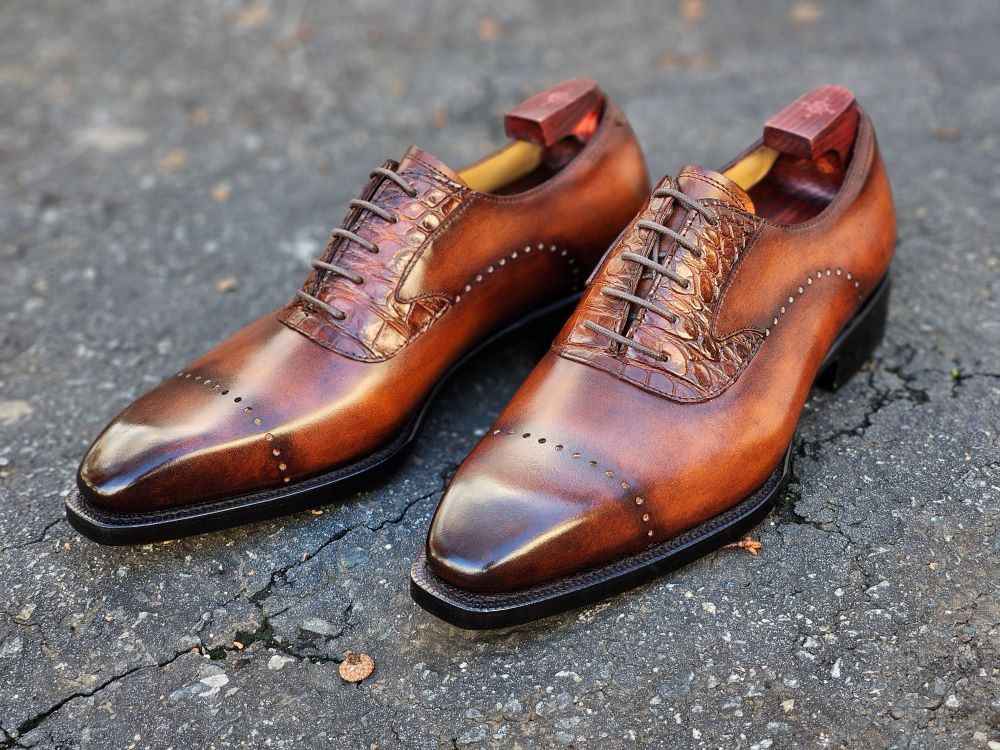
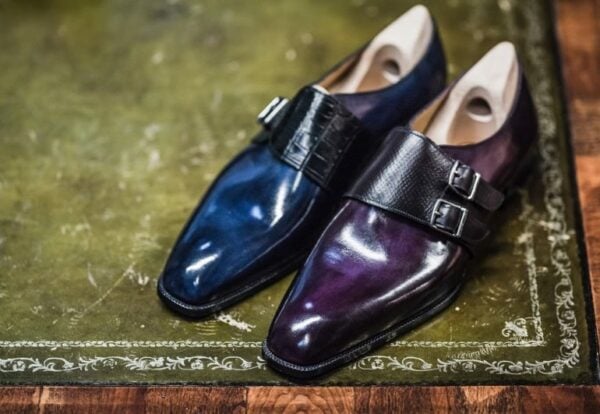
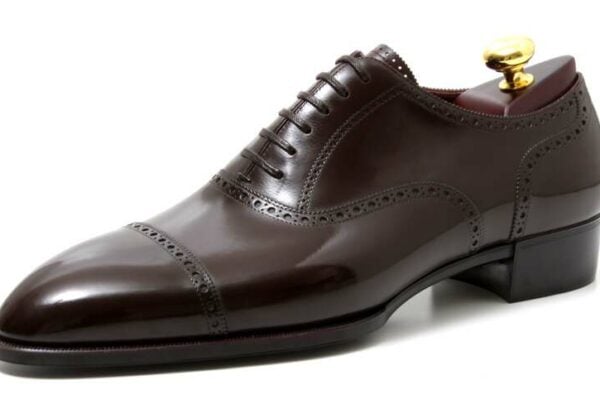
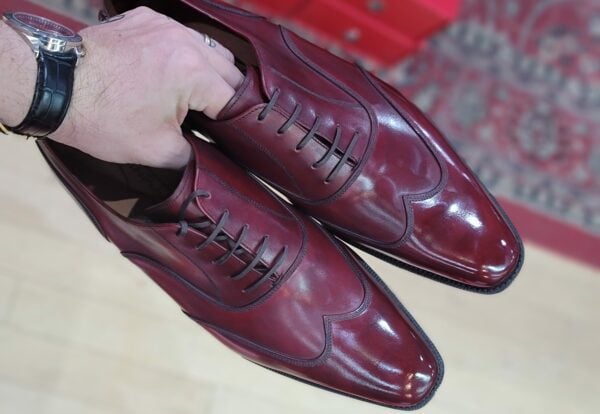
***Pictures just for show and having to do with the post’s message***






Haha! Brutally honest.
Regarding initial toe wear. I take a couple steps in new shoes to set the creases, then take them off and flex the soles by hand until they loosen up. I’ve found this greatly reduces toe wear associated with stiff new soles.
Thanks for sharing Wesley!
Excellent! Simple and to the point. No excuses to be a noob from now on.
Well, no excuses since the great Justin began sharing true shoe knowledge…;)
Thank you JM!
This post proves that Justin can make me laugh.
hahaha happy to hear that!