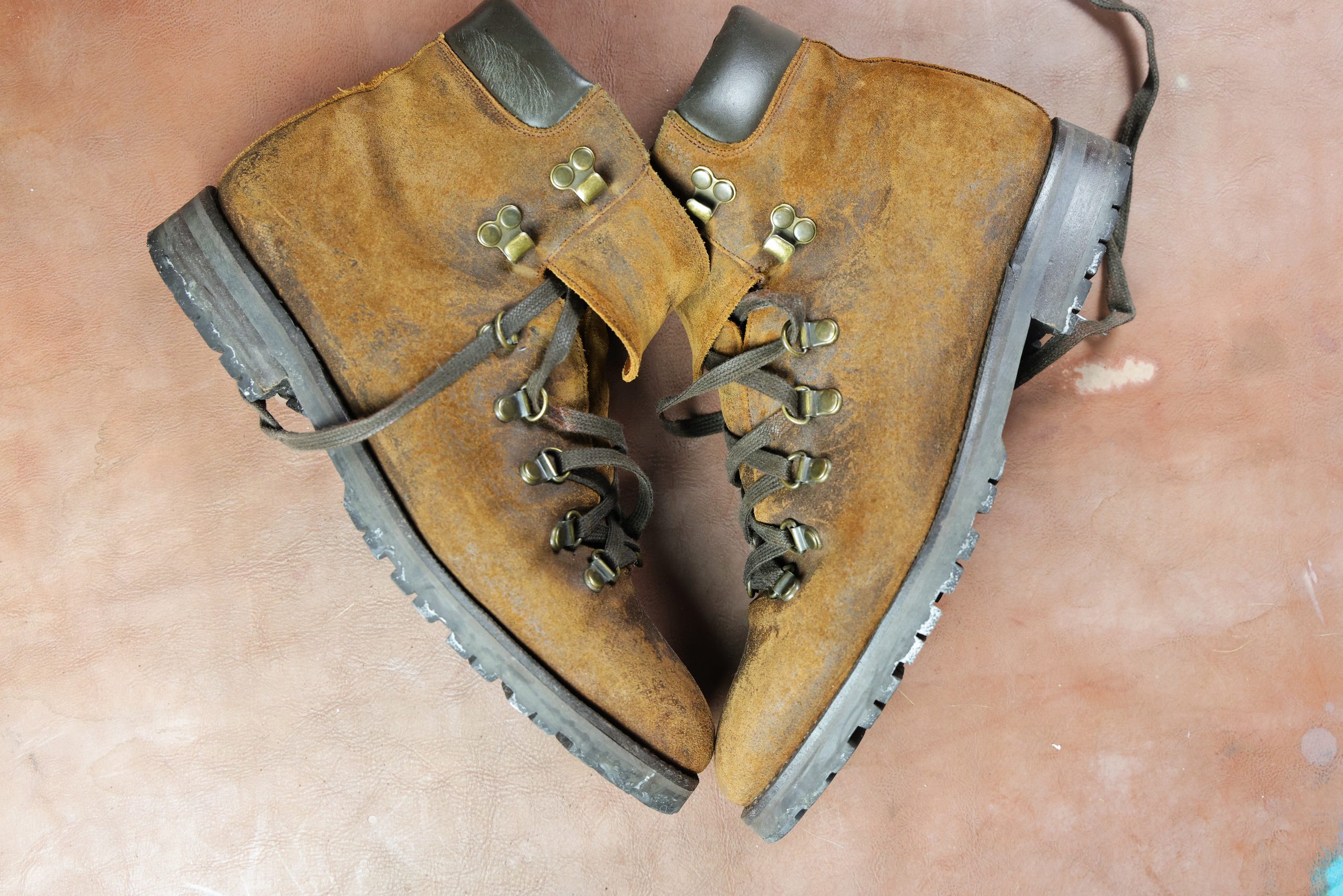
Every now and then, a pair of boots gets pushed well past the point where you realize they probably should have received some care a long time ago. That was the case with this pair of hiking boots that I tend to overuse each winter.
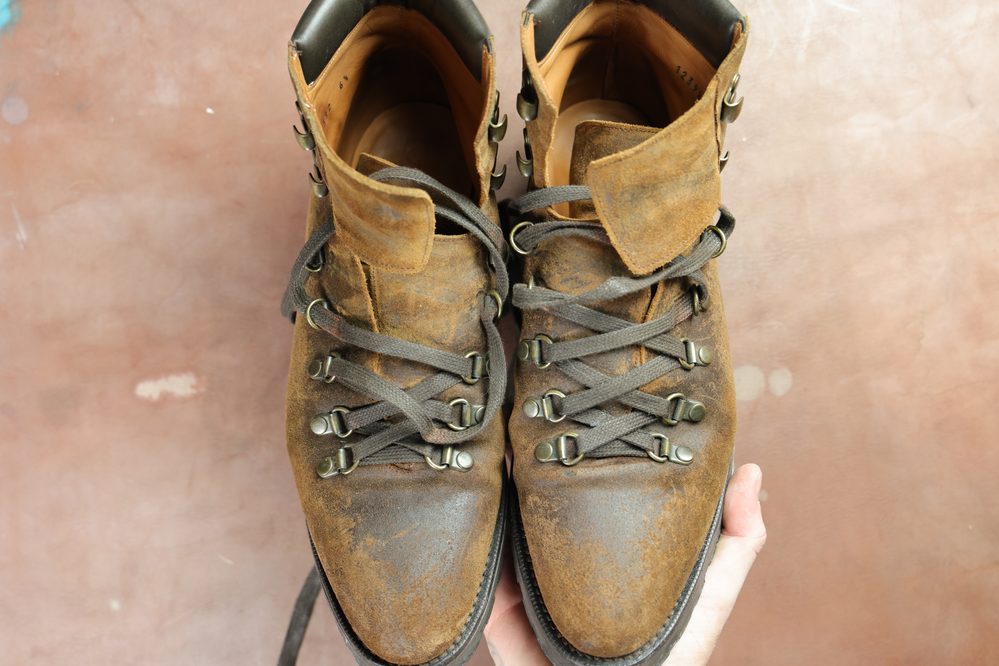
These hiking boots have been through a lot: rain, snow, city wear, outdoor wear, and admittedly far too much neglect. They were not destroyed, as good leather can take quite a beating, but they were dry, tired, marked up, salt-stained, and badly in need of some restoration.
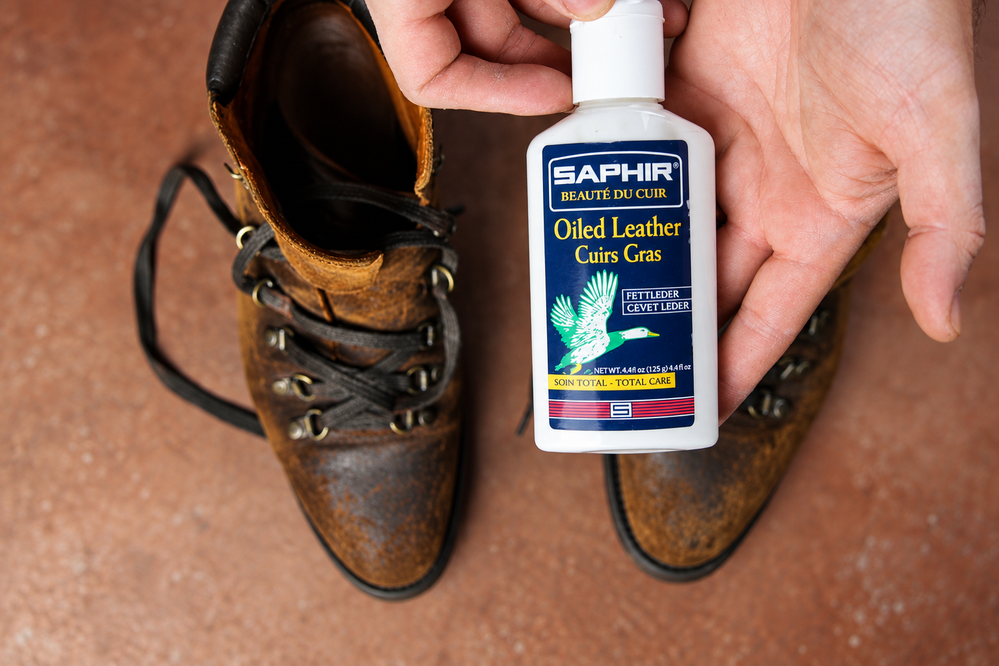
So for this video, I decided to use Saphir’s Oiled Leather Cream from the Beauté du Cuir line to bring them back to life.
Now, one quick note before we get started: these boots are made from Waxy Commander leather, which is not technically the same thing as a traditional oiled leather. It is more of a waxy roughout/suede leather. But I had a feeling that this product would work well on them, and as you will see, it did a fantastic job.
👉Watch the YouTube Tutorial here:
Preparing the Boots
The first step was simple: remove the laces.
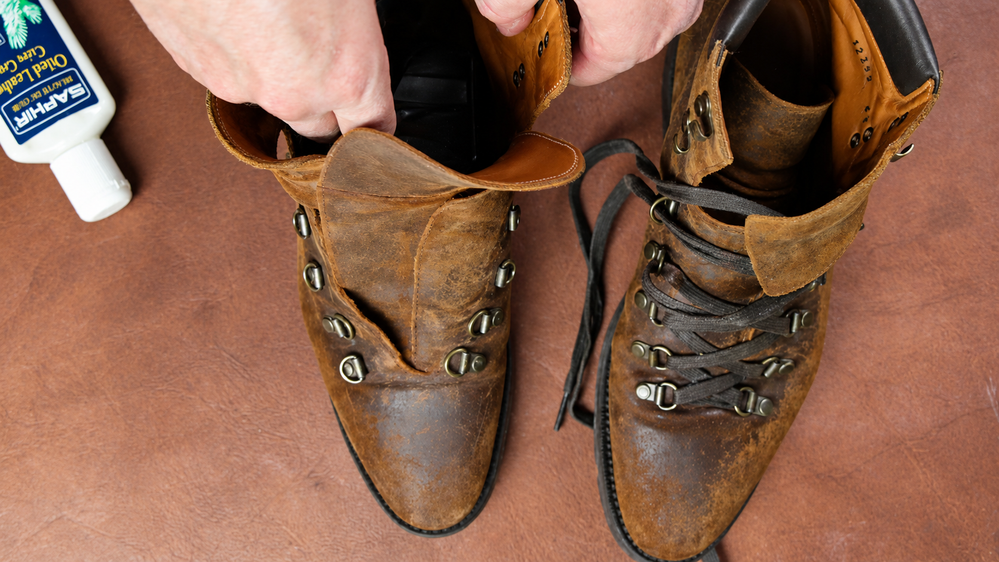
Whenever you are doing a proper clean or conditioning job, it is best to delace the shoes or boots first. It gives you better access to the tongue, facings, quarters, and all the little areas that are hard to reach when the laces are still in place. It also ensures you do not dirty/ruin the laces by applying product over them.
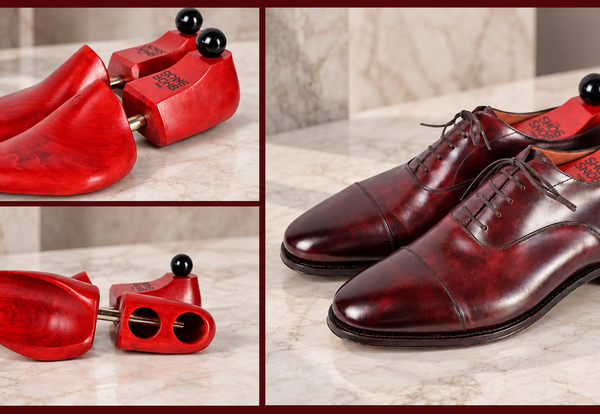
After that, I added shoe trees. In this case, I used The Shoe Snob travel shoe trees.
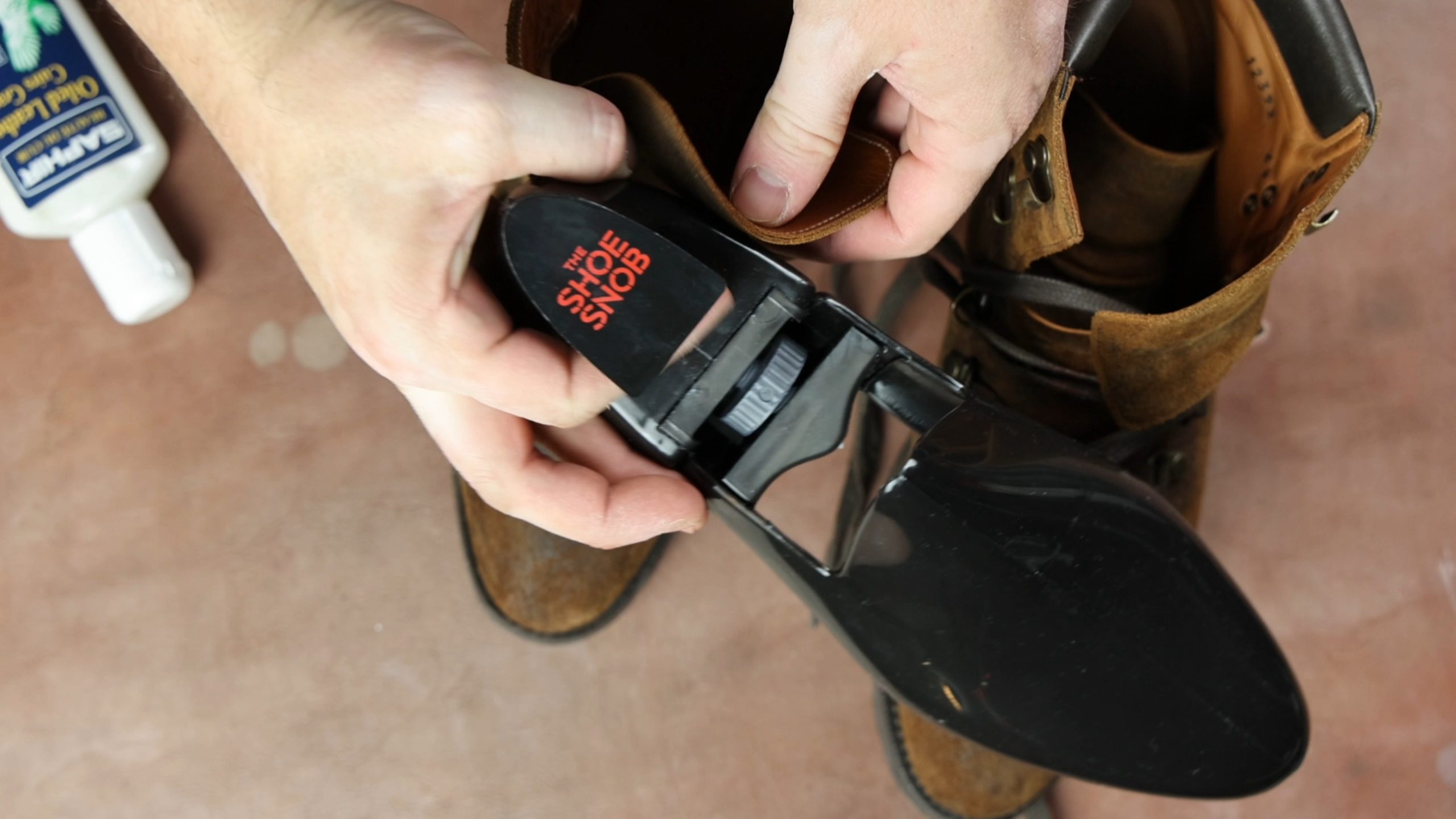
The reason for using shoe trees here is not just storage or shape retention. When you are applying cream, especially to a tougher boot leather, you want the boot to have some structure. The trees help keep the leather taut so that you can press into it and work the cream around more effectively.
With the boots delaced and treed, they were ready for the first application.
Starting with a Cloth
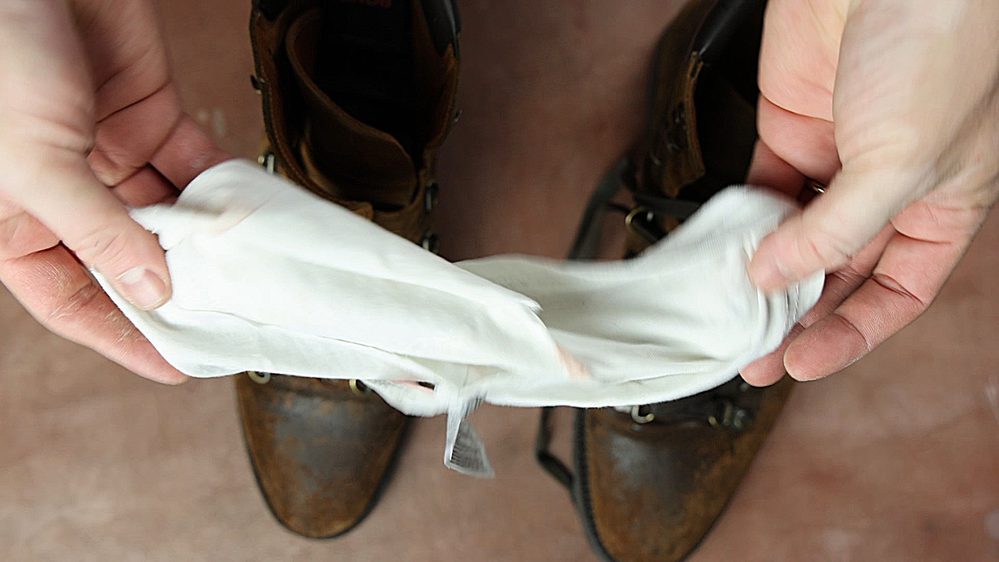
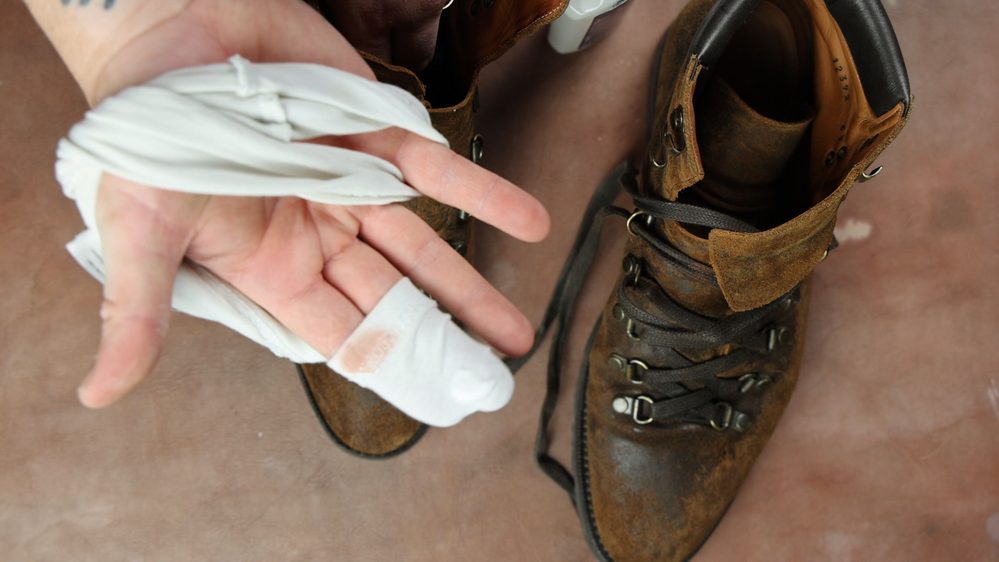
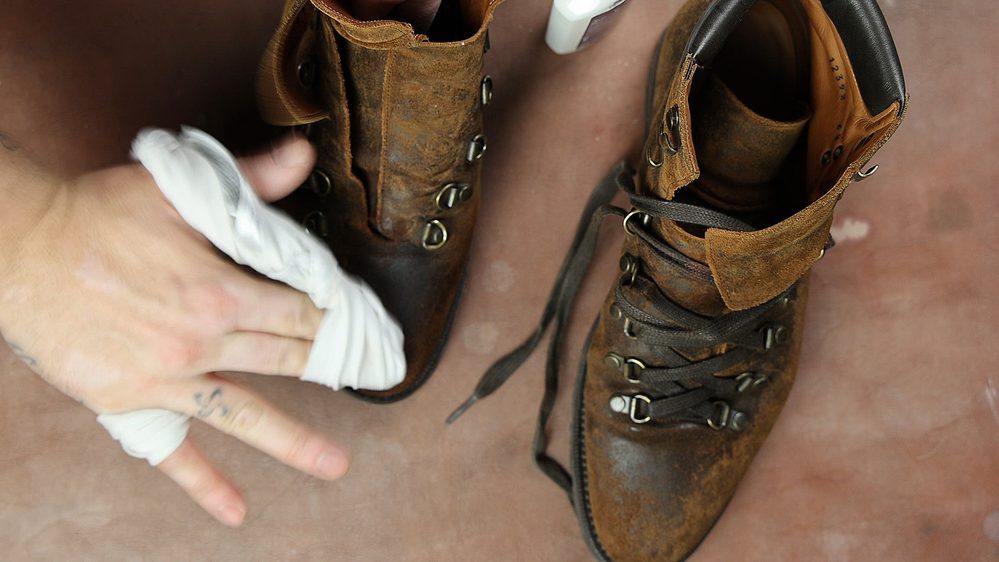
I initially started with a rag. This was my first time using this particular Saphir Oiled Leather Cream, so I wanted to see how it behaved. I applied a bit of cream to the cloth and started working it into the leather evenly.
Very quickly, though, I realized that these boots needed a lot more cream than I first expected.
The Waxy Commander leather was extremely absorbent. The moment the cream touched the surface, it started disappearing into the leather. The rag worked, but it was not the most efficient method for this job. These boots had been neglected for years and were drinking up the product almost instantly.
Had I continued only with the rag, the process would have taken far longer than necessary and probably wasted some of the product, as it easily absorbs into the cloth.
So I changed approach.
Switching to an Applicator Brush
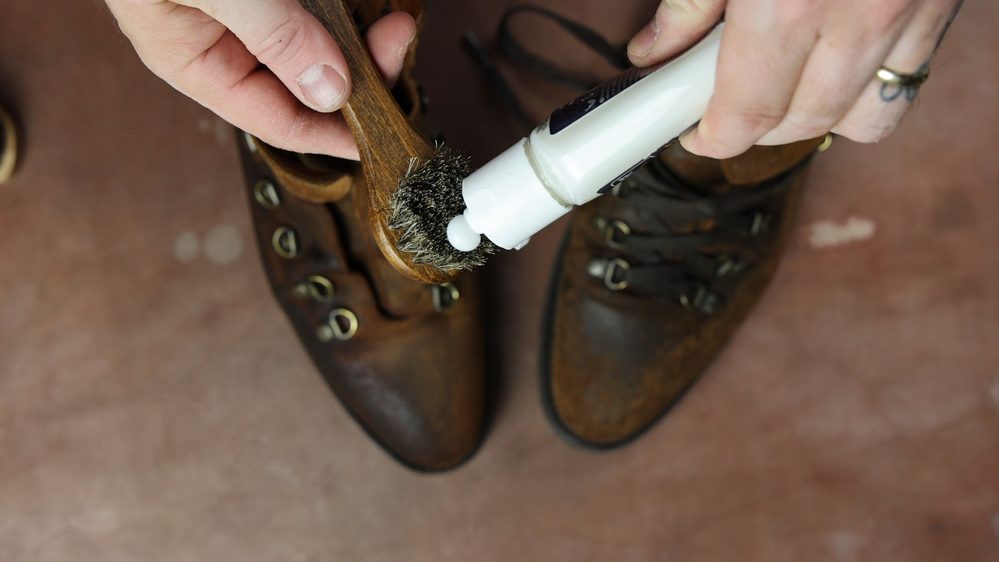
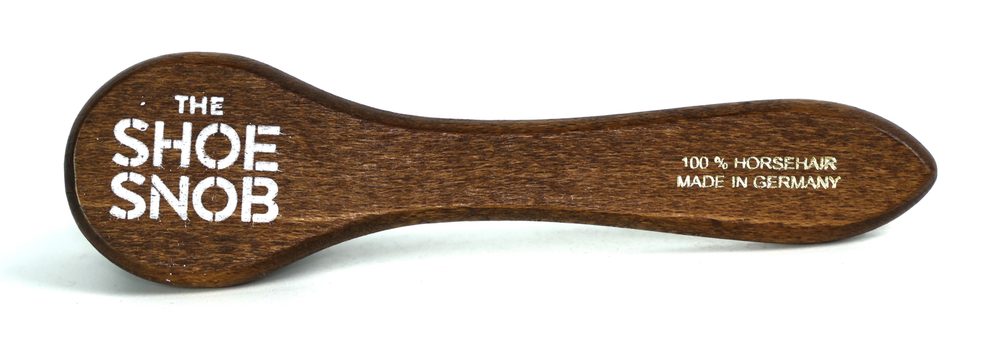
After realizing how much product the leather was absorbing, I switched to The Shoe Snob applicator brush. That made the job much easier and more efficient.
An applicator brush is useful here because it allows you to work the cream into the leather more thoroughly, especially around the facings, seams, tongue, welt area, and all the small areas that a cloth does not always reach easily.
These boots had years of wear and tear on them and, as I said, no real shoe care regimen up to this point. They had been worn through rain, snow, city streets, and general hard use. That is what good boots are for, of course, but even tough leather eventually needs to be fed.
The brush allowed me to apply the cream more generously and more evenly across the whole boot.
Applying the Cream
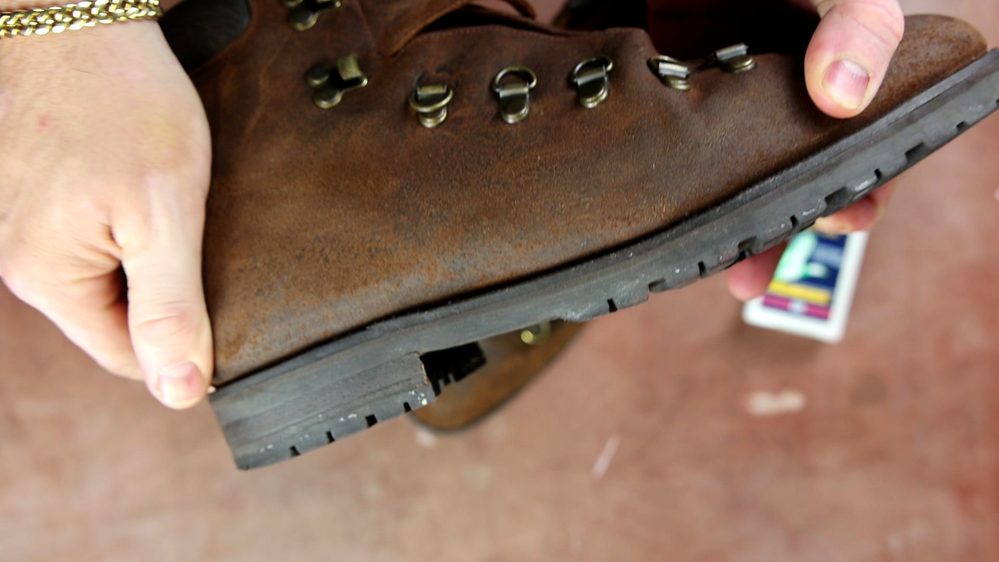
Once I switched to the brush, I worked the cream into the leather section by section.
With a leather like this, you do not need to be overly shy. The cream will darken the leather significantly at first, but that is normal. It needs time to absorb, settle, and even out. It will lighten after drying.
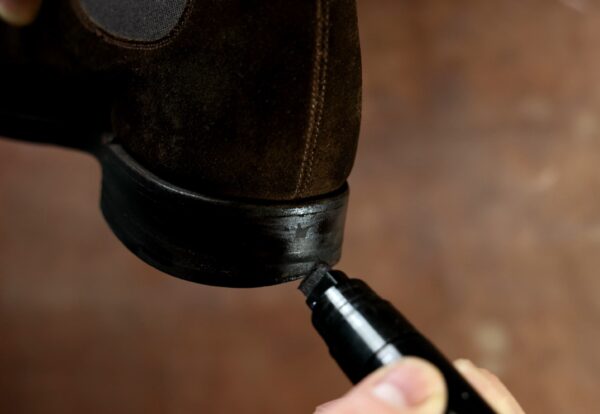
I applied the cream all around the boot, making sure to reach every nook and cranny. The quarters, vamp, tongue, heel area, and edges all received attention. I even worked some around the sole edges, even though this product is not technically meant for soles. Still, a bit of nourishment around those areas can help revive the overall look.
As the cream started to absorb, the transformation became obvious.
The leather darkened, but it also looked richer and more alive. The dry, faded surface began to soften visually, and the boot started to regain some of the depth that had been lost through years of wear.
Heavy Wear Needs Heavy Conditioning
Because these boots were so dry and beaten up, they required quite a bit of product.
I will admit, I used a lot of the bottle for this job. But the boots needed it. They were severely overdue for care, and the leather absorbed the cream quickly.
This is an important point with boot restoration: the amount of product needed depends on the condition of the leather.
A lightly worn pair may only need a small amount. A pair that has been neglected for years may require a much heavier application. These boots were clearly in the second category.
The key is to work the product in evenly and give the leather time to absorb it.
The Before and After Difference
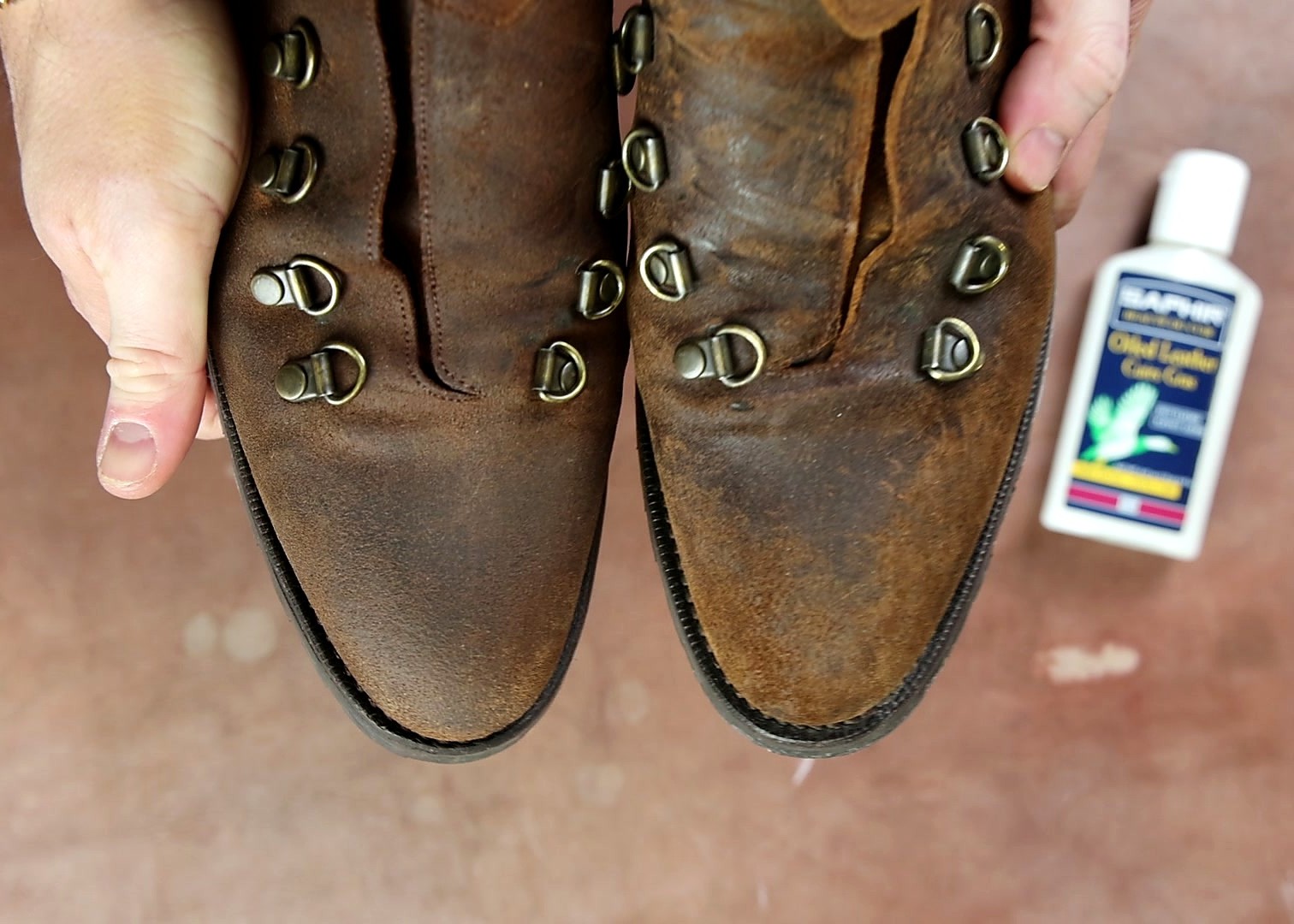
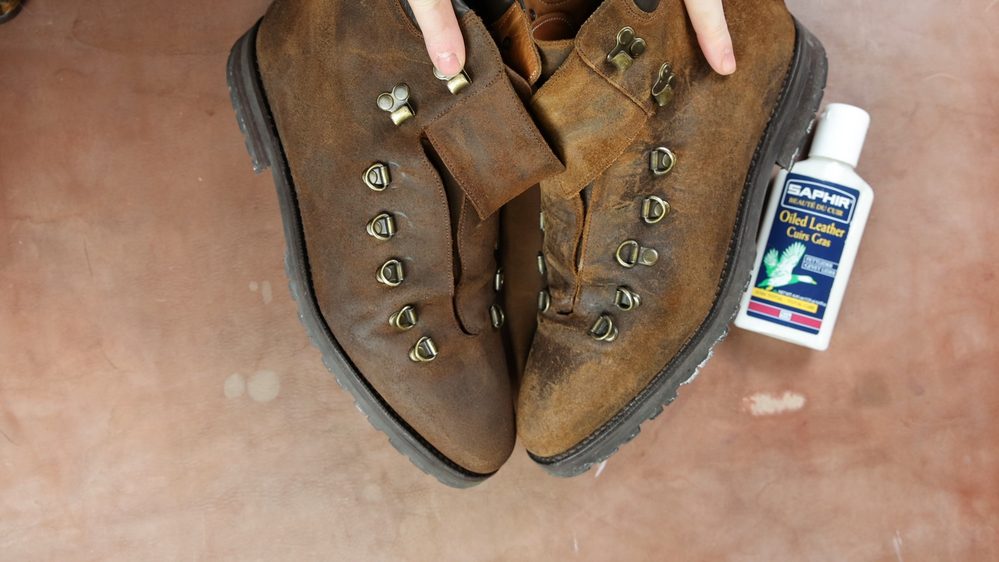
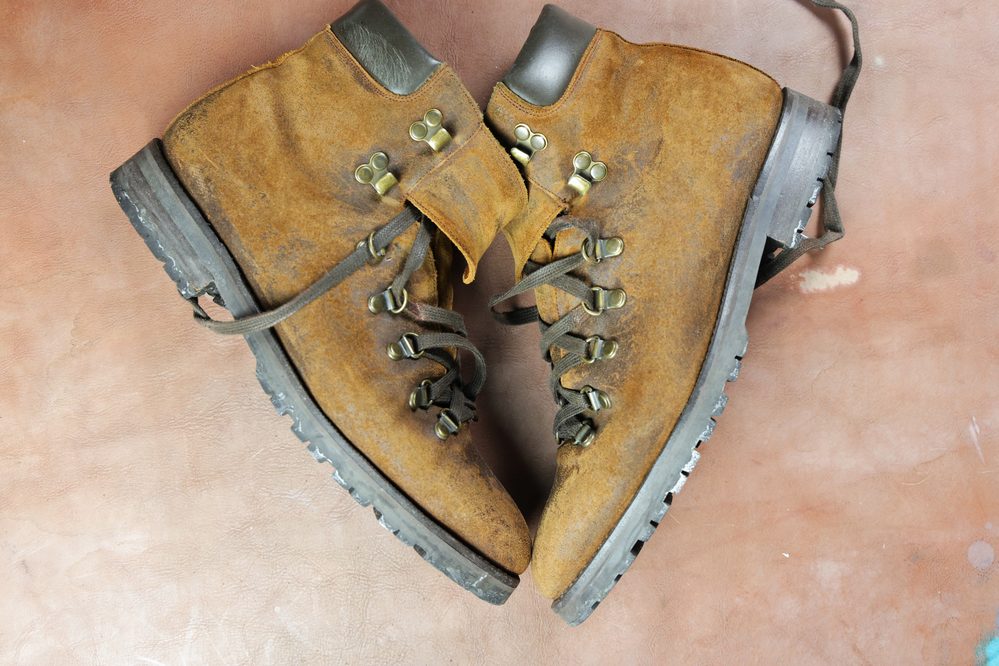
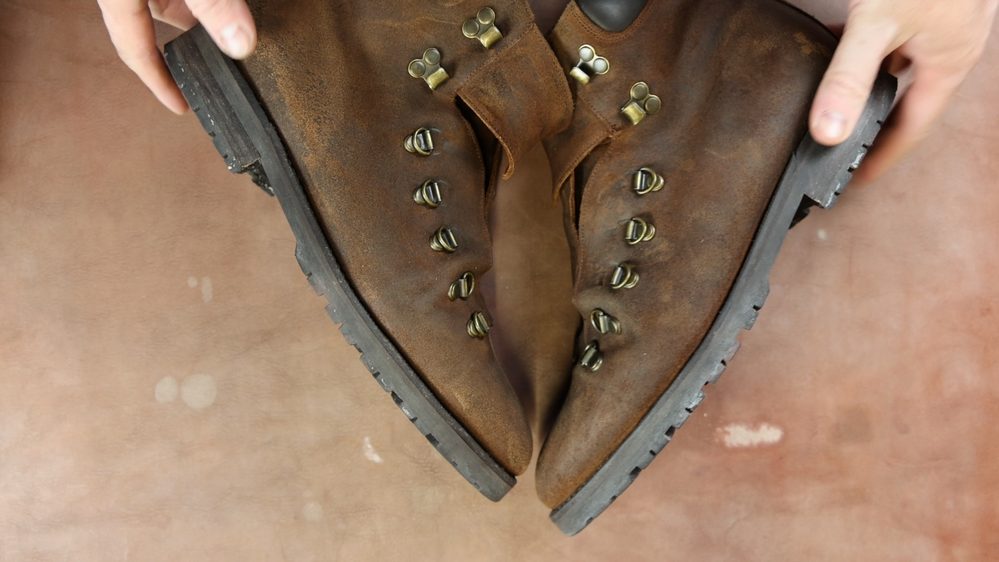
Once the first boot was treated, the difference between the untouched boot and the treated boot was dramatic.
The untreated boot still looked dry, faded, marked up, and salt-stained. The treated boot looked much richer and cleaner. The color had deepened, the surface looked more nourished, and many of the dry, pale areas had been revived.
This type of leather is still volatile, though. With Waxy Commander and similar waxy roughout leathers, you can mark it easily. Even after treatment, touching or nicking the surface can create lighter areas again. That is part of the nature of the material.
So the goal is not to make the boots look brand new or perfectly uniform. The goal is to restore life to the leather. And in that sense, the Saphir Oiled Leather Cream did a fantastic job.
Treating the Second Boot
After finishing the first boot, I moved on to the second one and repeated the process.
There is no real magic to it. It is simply a matter of patience, product, and even application. Work the cream into the leather, make sure you get into the harder-to-reach areas, and allow the leather to absorb what it needs.
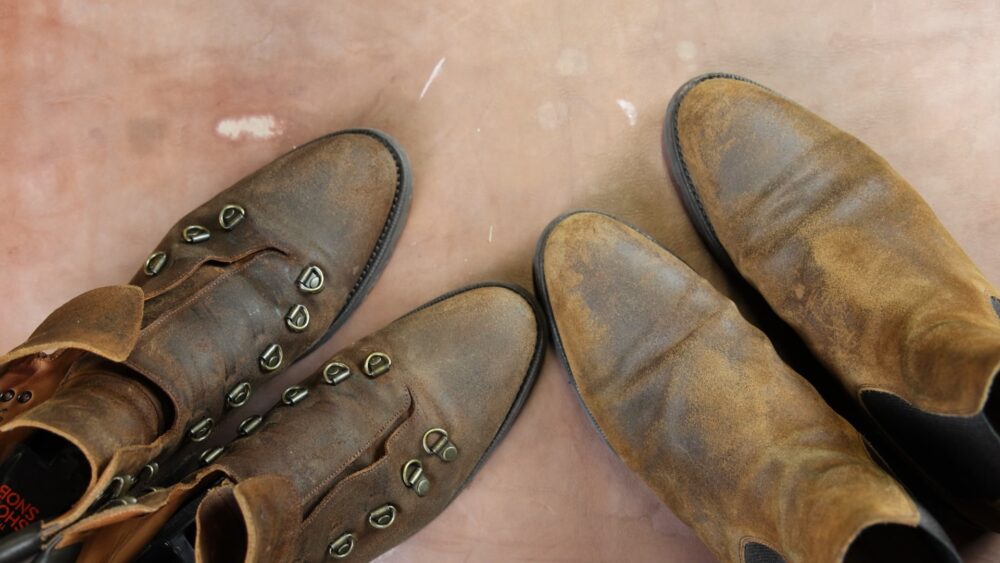
Once both boots were treated, the transformation was night and day compared to how they looked at the beginning.
They still looked like hard-worn boots, which is exactly what they are, but they no longer looked neglected. They looked revived, conditioned, and ready to be worn again.
Final Thoughts
Saphir’s Oiled Leather Cream from the Beauté du Cuir line did an excellent job on these boots.
Again, these are not technically traditional oiled leather boots. They are Waxy Commander, which is more of a waxy roughout/suede. But the product worked very well for this specific application.
It darkened the leather, nourished it, helped reduce the dry and faded appearance, and brought the boots back to life without removing their character.
That is exactly what I want from a boot-care product.
Not every boot restoration needs to make the boots look new. In fact, I often prefer when they do not. Good boots should show some life. They should show some wear. But they should not look dried out and abandoned.
These now look like well-worn boots that have been properly cared for.
And that is a big difference.
Find the products used here: https://www.theshoesnob.com/collections/accessories
—Justin FitzPatrick, The Shoe Snob
Shop · Marketplace · Patreon